
Embrapa’s New Sorghum Hybrid Targets Silage, Biogas, and Energy Production
Embrapa and Latina Seeds launched the giant forage sorghum hybrid BRS 662 (LAS6002F), designed for silage, biogas, and energy production. The early-cycle cultivar can yield over 80 tons per hectare with strong regrowth and resistance to key fungal diseases. Suitable for Brazil’s main production regions, it offers high-quality biomass and supports livestock feed and renewable energy systems. The post Embrapa’s New Sorghum Hybrid Targets Silage, Biogas, and Energy Production appeared first on Seed World .
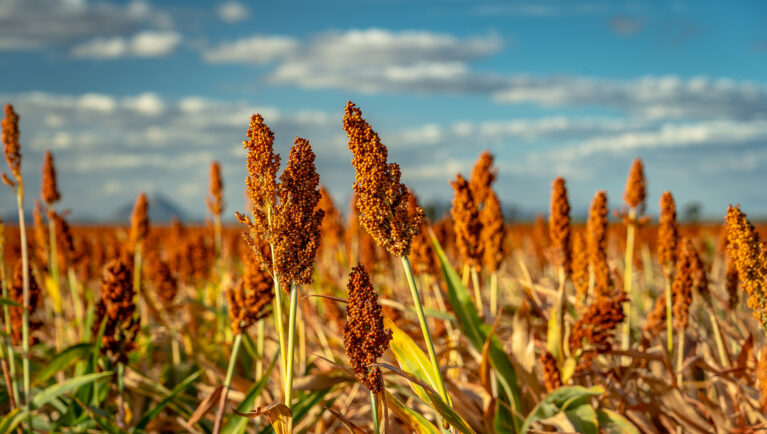
Embrapa and Latina Seeds have recently introduced the giant forage sorghum hybrid BRS 662, marketed as LAS6002F, designed to revolutionize silage, biogas, and energy production. This innovative cultivar, developed by Embrapa Corn and Sorghum in Minas Gerais, combines high yield potential with exceptional resilience, making it a game-changer for Brazil's agricultural sector.
The early-cycle nature of BRS 662 (LAS6002F) sets it apart from other sorghum hybrids. It can yield over 80 tons per hectare in a single cut, with a cycle of up to 125 days. This rapid maturity, coupled with its strong regrowth capacity—reaching up to 60% of the first harvest output—makes it a versatile crop for both the first and second cropping seasons. The hybrid's consistent performance under various growing conditions ensures stable forage production, a critical factor for farmers seeking reliable income.
One of the standout features of BRS 662 (LAS6002F) is its suitability for Brazil's main forage sorghum-producing regions. These include the Midwest states of Federal District, Goiás, Mato Grosso, and Mato Grosso do Sul, as well as the Southeast states of Espírito Santo, Minas Gerais, Rio de Janeiro, and São Paulo. The cultivar's compatibility with these regions not only broadens its market reach but also ensures that it is well-adapted to the local climate and soil conditions, maximizing its potential for success.
In addition to its impressive yield and cycle time, BRS 662 (LAS6002F) boasts excellent health in relation to severe fungal diseases. Researcher Rafael Parrella, responsible for the hybrid's development at Embrapa Corn and Sorghum, highlights the cultivar's resistance to anthracnose, helmintosporosis, and cercosporiasis, which are among the most significant threats to sorghum in Brazil. This resistance not only reduces the need for chemical fungicides but also ensures that farmers can achieve higher and more consistent yields, translating to greater profitability.
The high-quality forage produced by BRS 662 (LAS6002F) is further enhanced by its unique composition. The hybrid delivers forage with elevated cellulose and hemicellulose levels, combined with low lignin content. This combination of nutrients supports multiple applications, including animal feed, biogas generation, and energy cogeneration. The versatility of BRS 662 (LAS6002F) in these areas makes it an attractive option for farmers looking to diversify their income sources or explore new markets.
Other notable characteristics of BRS 662 (LAS6002F) include an average plant height of 4 to 5 meters and brown-colored grains. These features, along with the hybrid's great tolerance to bedding/tipping, are essential for tall sorghum hybrids. The cultivar's ability to maintain its structural integrity under various conditions ensures that it can deliver consistent yields and high-quality forage, even in challenging environments.
The launch of BRS 662 (LAS6002F) by Embrapa and Latina Seeds underscores the growing importance of giant sorghum in the agricultural market. With its potential to support livestock feed, renewable energy systems, and biogas production, the hybrid represents a significant step forward in sustainable agriculture. As demand for environmentally friendly energy sources continues to rise, and the need for efficient feed production grows, BRS 662 (LAS6002F) is poised to become a cornerstone of Brazil's agricultural landscape.
In conclusion, the introduction of BRS 662 (LAS6002F) by Embrapa and Latina Seeds marks a significant milestone in the development of giant forage sorghum hybrids. Its combination of high yield, rapid cycle, disease resistance, and versatility in applications positions it as a transformative crop for Brazil's agricultural sector. As the demand for sustainable energy and efficient feed production grows, BRS 662 (LAS6002F) is set to play a pivotal role in meeting these needs while offering farmers a reliable and profitable opportunity.








