
Embrapa Introduces New Bean Cultivars Focused on Productivity, Risk Reduction, and Market Quality
Embrapa Arroz e Feijão, based in Santo Antônio de Goiás (GO), has introduced a new group of bean cultivars designed to address practical demands across the production chain — from […] The post Embrapa Introduces New Bean Cultivars Focused on Productivity, Risk Reduction, and Market Quality appeared first on Seed World .
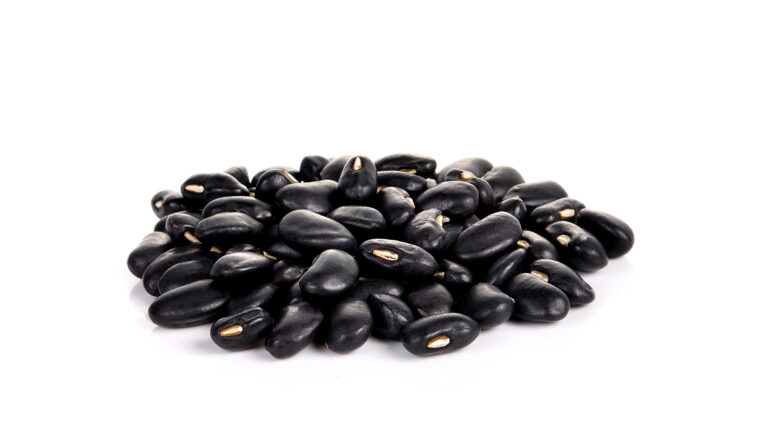
Embrapa Arroz e Feijão, a research institute based in Santo Antônio de Goiás, Brazil, has recently introduced a new group of bean cultivars aimed at addressing the practical demands of the entire production chain. These cultivars are designed to enhance productivity, reduce agronomic risks, and improve grain quality, which in turn will have a direct impact on farmers' incomes, supply stability, and predictability. The new releases include two carioca bean cultivars, BRS ELO FC424 and BRS ELO FC429, as well as two black bean cultivars, BRS FP426 and BRS FP327, which were officially launched in early 2026.
The development of these new cultivars marks a shift in strategy away from the traditional approach of a single cultivar serving every purpose. Instead, the focus is on creating a more diverse range of varieties that are better aligned with specific production regions, planting windows, and risk profiles. This approach allows farmers to choose cultivars that are best suited to their local conditions, thereby optimizing their production and reducing uncertainties related to environmental factors.
At the market level, the new cultivars also address an increasingly important issue: visual quality and shelf life. This is particularly relevant for carioca beans, where grain darkening over time can significantly reduce market value and limit marketing opportunities. The BRS ELO FC424 cultivar, for instance, is highlighted for its high productive potential, with an initial focus on the Southern region of Brazil. This region is a major producer of carioca beans, and the cultivar's yield potential could help growers cope with rising costs for inputs, labor, and field operations. Higher productivity can dilute these costs and improve margins, as noted in a recent press release.
BRS ELO FC429, on the other hand, is designed to address the issue of slow grain darkening. This trait allows the beans to maintain their desirable light color for a longer period after harvest. For farmers, this means greater flexibility in choosing the optimal time to sell their crop. For processors and retailers, it translates into longer shelf life and potentially fewer losses in storage and distribution. Maintaining visual quality is crucial for carioca beans, as it directly impacts consumer appeal and marketability.
In the case of black beans, the BRS FP426 and BRS FP327 cultivars are expected to offer similar benefits in terms of productivity and risk reduction. Black beans are another staple in Brazilian agriculture, and these new varieties are likely to be adopted by farmers in regions where black bean production is prevalent. The development of these cultivars underscores Embrapa's commitment to innovation and the continuous improvement of agricultural practices in Brazil.
The introduction of these new bean cultivars is a testament to the importance of research and development in the agricultural sector. By addressing the diverse needs of farmers, processors, retailers, and consumers, these varieties are poised to enhance the overall productivity and sustainability of Brazil's bean production. As the demand for high-quality, reliable beans continues to grow, the new cultivars from Embrapa Arroz e Feijão are set to play a significant role in meeting that demand and ensuring the long-term viability of the industry.









