
Embrapa identifica gen silvestre de cacahuete que prepara la defensa en cultivos
Investigaciones de Embrapa demuestran que genes de maníes silvestres pueden aumentar la resistencia del maní cultivado a sequía, nematodos y hongos. El gen AdEXLB8 activa la “preparación defensiva”, permitiendo respuestas más rápidas al estrés sin afectar rendimiento. Esta biotecnología basada en biodiversidad impulsa el mejoramiento sostenible y reduce el uso de agroquímicos. The post Embrapa identifica gen silvestre de cacahuete que prepara la defensa en cultivos appeared first on Seed World .
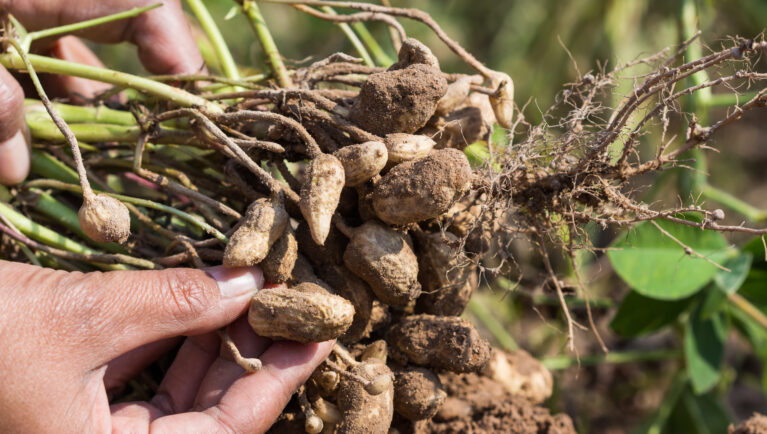
Embrapa, Brazil's national agricultural research institute, has made a groundbreaking discovery that could revolutionize peanut cultivation. Researchers have identified a wild peanut gene that enhances the plant's ability to withstand drought, nematodes, and fungal diseases. This genetic breakthrough, which has been published in a recent study, offers a sustainable solution to agricultural challenges by reducing the reliance on chemical pesticides.
The discovery, carried out by Embrapa Recursos Genéticos e Biotecnologia (Genetic Resources and Biotechnology) in collaboration with national and international partners, highlights the potential of wild peanut relatives to improve the resilience of cultivated varieties. This innovative approach combines ancestral biodiversity with advanced biotechnology, offering new possibilities for genetic improvement.
One key example of this research is the identification of the AdEXLB8 gene, isolated from Arachis duranensis, a wild ancestor of the cultivated peanut. The study demonstrates that introducing this gene into peanut plants triggers defense responses that help address critical challenges such as drought, nematode infestations, and fungal diseases. A unique aspect of this research is the demonstration that the gene does not provide direct resistance; instead, it activates a defense preparation mechanism that prepares the plant to respond more effectively to stress.
"When the plant produces this protein constantly, it acts as if it were being attacked by a pathogen or under environmental stress," explains Ana Brasileiro, researcher at Embrapa Recursos Genéticos e Biotecnologia and leader of the study. "It lives in a state of permanent alert, similar to humans always being ready for a 'fight or flight' response, but without expending excessive energy."
The results of the study were compelling: plants modified with the AdEXLB8 gene showed increased tolerance to drought, greater resistance to root-knot nematodes (Meloidogyne spp.), and better tolerance to fungal diseases such as Sclerotinia sclerotiorum. In roots where AdEXLB8 was overexpressed, nematode infection was reduced by 60%, with no negative impact on yield or other plant performance metrics.
This innovative biotechnology approach not only enhances the resilience of peanut crops but also promotes sustainable agriculture by reducing the need for chemical inputs. The integration of wild peanut genes into cultivated varieties offers a promising pathway for improving crop productivity and food security in the face of climate change and increasing agricultural demands.
The findings of this research underscore the importance of biodiversity in addressing agricultural challenges. By leveraging the genetic diversity found in wild relatives, scientists can develop more resilient crop varieties that are better equipped to withstand environmental stresses. This approach not only supports sustainable farming practices but also contributes to global food security efforts.
In conclusion, Embrapa's discovery of the AdEXLB8 gene in wild peanuts represents a significant leap forward in agricultural biotechnology. By harnessing the power of nature's genetic diversity, researchers are developing tools to improve crop resilience and reduce the environmental impact of agriculture. This groundbreaking research not only benefits peanut growers but also sets a precedent for the sustainable improvement of other major crops around the world.








