
Eli Lilly opposes push to pass Trump's drug pricing deals into law, CEO says
Eli Lilly opposes the White House's push to codify "most favored nation" drug pricing into law, CEO Dave Ricks said in an interview with CNBC.
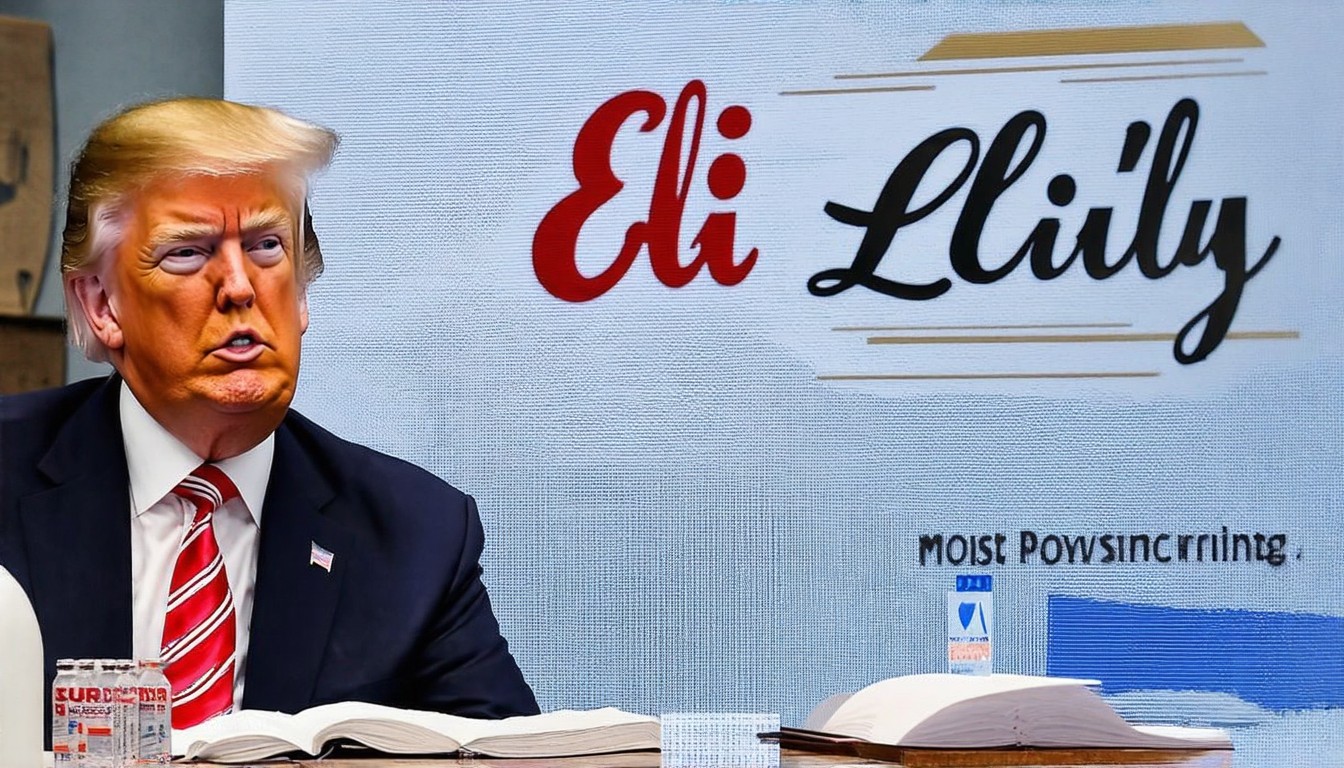
Eli Lilly, one of the largest pharmaceutical companies in the United States, has publicly opposed the White House's efforts to enshrine "most favored nation" (MFN) drug pricing deals into law. In an interview with CNBC, CEO Dave Ricks expressed concerns over the potential impact of such legislation on the industry and patients.
The White House has been pushing for the codification of MFN agreements, which are deals between pharmaceutical companies and foreign governments that set prices for medicines. These agreements are designed to prevent drug manufacturers from offering lower prices in the U.S. market compared to other countries, which could lead to increased drug costs for American patients. However, Eli Lilly argues that such legislation could stifle competition and limit the ability of the U.S. government to negotiate better prices for Medicare and Medicaid beneficiaries.
Dave Ricks highlighted that the company's opposition stems from a belief that MFN deals are already effective in controlling drug prices without the need for legislative intervention. He emphasized that the pharmaceutical industry is committed to working with policymakers to address affordability concerns, but through voluntary agreements and market-based solutions rather than mandatory legislation.
Eli Lilly's stance is not unique; several other pharmaceutical companies, including Pfizer and Merck & Co., have also voiced concerns about the potential consequences of MFN deals becoming law. Critics argue that such legislation could lead to higher drug prices for consumers and limit the availability of life-saving medications.
On the other hand, proponents of MFN deals contend that they are necessary to protect the U.S. market from price arbitrage, where drug manufacturers exploit differences in pricing across countries. They argue that without MFN protections, American patients would face even higher costs as companies prioritize lower-income markets.
The debate over MFN deals reflects a broader struggle within the pharmaceutical industry to balance affordability with the need to incentivize innovation and research. Many argue that the high cost of prescription drugs is unsustainable and that systemic changes are required to make medicines more accessible to all Americans.
Eli Lilly's opposition to the White House's push for MFN legislation underscores the complexities of drug pricing policy. While the company acknowledges the importance of addressing affordability, it believes that legislative action could have unintended consequences that would ultimately harm patients and the industry's ability to innovate.
As the debate continues, policymakers will need to carefully consider the potential impacts of MFN deals on both drug prices and patient access to life-saving treatments. The involvement of major pharmaceutical companies like Eli Lilly in this discussion highlights the need for a balanced approach that takes into account the interests of all stakeholders, including patients, manufacturers, and government negotiators.
In conclusion, Eli Lilly's opposition to the White House's push for MFN drug pricing deals into law reflects a broader industry concern about the potential consequences of such legislation. While the company acknowledges the need to address drug affordability, it argues that voluntary agreements and market-based solutions are more effective than mandatory legislation. The ongoing debate underscores the complexity of drug pricing policy and the need for a balanced approach that considers the interests of all parties involved.









