
Electrician unknowingly deactivated all fire alarms months before fatal Tai Po blaze, inquiry hears
An electrician who was not licensed to deal with fire safety equipment has told a public hearing investigating the Wang Fuk Court blaze that he unknowingly switched off all the fire alarms months before the tragedy. Two workers – an electrician and a carpenter – at the estate management company ISS EastPoint testified on Wednesday, […]
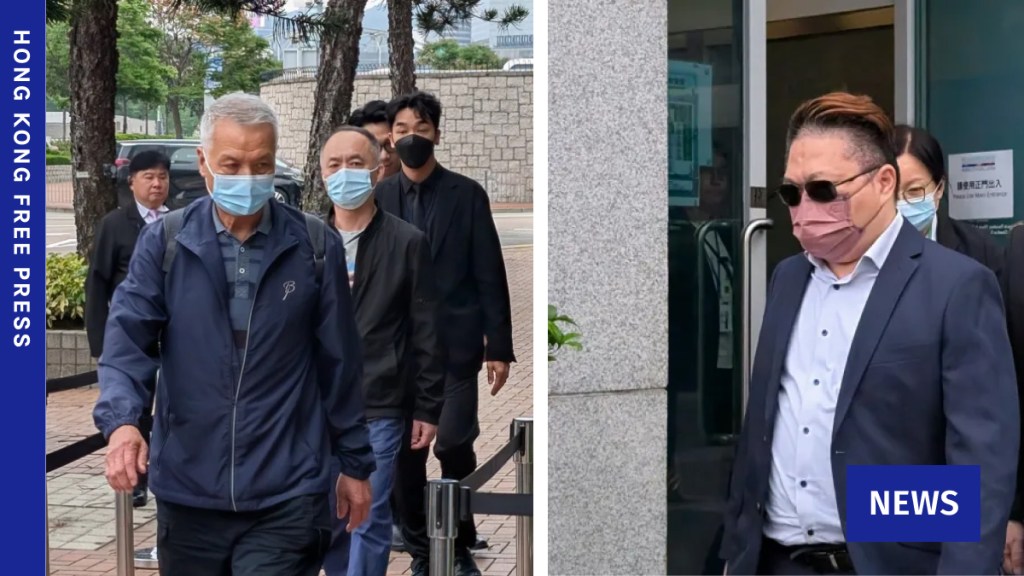
In a shocking revelation during the ongoing inquiry into the Wang Fuk Court blaze, an electrician who was not licensed to handle fire safety equipment testified that he unknowingly deactivated all fire alarms months before the tragic fire that claimed 168 lives in November. The public hearing, part of the independent committee's investigation, took place on March 31, 2026, and featured testimonies from two workers at the estate management company ISS EastPoint.
Electrician Law Kwok-shui and carpenter Lee Shing-foo were called to testify on the seventh day of the hearings. They recounted how they were tasked by ISS EastPoint to assist Prestige, the construction firm overseeing the HK$330 million renovation project at the estate, with releasing water from all water tanks between May and August 2025. This procedure was meant to prepare for water tank maintenance as part of the renovation work.
During their testimony, Lee mentioned that he informed Law about the necessity of having a fire safety license to handle such equipment, including water tanks. Despite this, Law, who did not possess such a license, proceeded with the task after being instructed to follow the orders by ISS EastPoint clerk Lok Sin-ying. Lok later denied Law's claim, stating that workers with hesitations should have consulted senior management.
Law testified that before draining the water tanks, he turned off master switches, recalling a previous learning experience from a fire safety contractor at the estate named Victory Fire. However, he was unaware that this action would deactivate all fire alarms at Wang Fuk Court. The fire alarms' failure to activate during the blaze delayed residents' evacuation, exacerbating the tragedy's severity.
The independent committee's inquiry into the Wang Fuk Court blaze has uncovered critical lapses in fire safety protocols and management practices. The testimonies of Law, Lee, and Lok have highlighted the lack of proper licensing and training among workers handling fire safety equipment, as well as potential communication failures within the estate management company.
The incident has sparked widespread concern about the adequacy of fire safety measures in Hong Kong's aging residential buildings and the need for stricter regulations and enforcement. As the inquiry continues, the public and authorities alike are left to grapple with the devastating consequences of these oversights and the urgent need for systemic reforms to prevent similar tragedies in the future.
The Wang Fuk Court blaze remains one of the deadliest residential fires in Hong Kong's history, with the inquiry aiming to identify systemic failures and recommend improvements to ensure the safety of residents in high-density living environments. The testimonies from the ISS EastPoint workers have provided crucial insights into the sequence of events leading up to the fire and the critical role that inadequate fire safety practices played in the unfolding disaster.
As the investigation progresses, attention is also being drawn to the broader implications of the tragedy, including the need for enhanced oversight of construction projects and renovation works, particularly those involving the modification of existing fire safety systems. The case serves as a stark reminder of the importance of adhering to strict safety standards and ensuring that all personnel involved in such projects are appropriately trained and licensed to handle fire safety equipment.
In the aftermath of the Wang Fuk Court blaze, the independent committee's inquiry is expected to deliver a comprehensive report outlining the findings and recommendations to prevent future incidents. The testimonies from Law, Lee, and Lok have provided valuable evidence that could lead to significant changes in Hong Kong's fire safety regulations and practices, ultimately safeguarding the lives of residents in high-density living environments.
The tragedy at Wang Fuk Court has left a lasting impact on the Hong Kong community, prompting a renewed focus on fire safety and the need for rigorous enforcement of existing regulations. The inquiry's ongoing proceedings are closely watched by the public, who are eager to see concrete steps taken to address the systemic issues uncovered and to honor the memory of the victims by ensuring that their deaths were not in vain.








