
Electrician unknowingly deactivated all fire alarms months before fatal Tai Po blaze, inquiry hears
An electrician who was not licensed to deal with fire safety equipment has told a public hearing investigating the Wang Fuk Court blaze that he unknowingly switched off all the fire alarms months before the tragedy. Two workers – an electrician and a carpenter – at the estate management company ISS EastPoint testified on Wednesday, […]
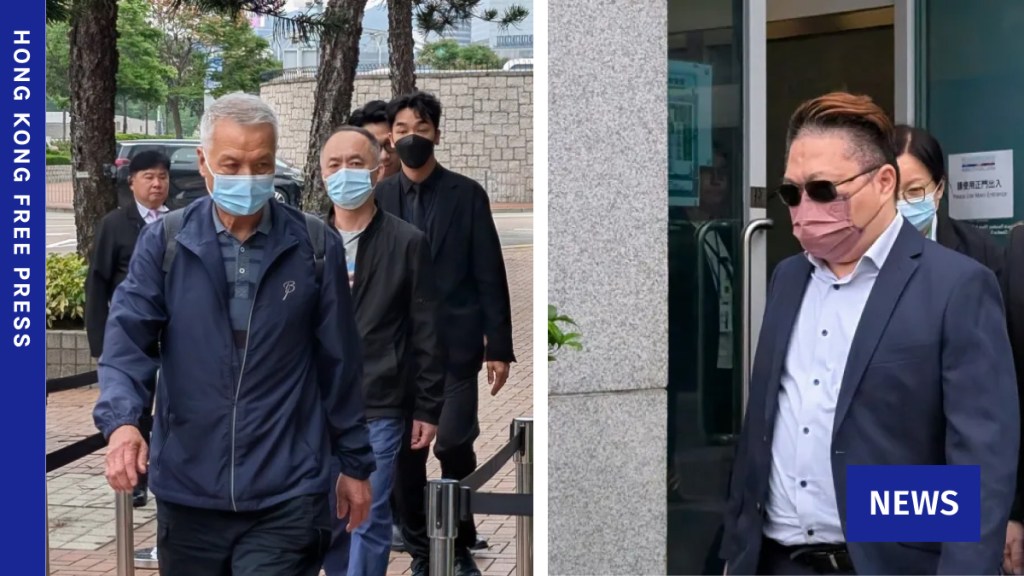
In a shocking revelation during the ongoing inquiry into the Wang Fuk Court blaze in Tai Po, an electrician who was not licensed to handle fire safety equipment testified that he unknowingly deactivated all fire alarms months before the tragic fire that claimed 168 lives. The public hearing, which took place on March 31, 2026, saw two workers from the estate management company ISS EastPoint testify about their involvement in a procedure that inadvertently left the fire alarms inoperable during the November disaster.
Electrician Law Kwok-shui and carpenter Lee Shing-foo were called to assist Prestige, the construction firm overseeing the HK$330 million renovation project at the estate. Between May and August 2025, they were tasked with releasing water from all water tanks as part of the maintenance work. This procedure was meant to prepare for further renovation activities.
During the hearing, Lee testified that he informed Law about the necessity of having a fire safety license to handle such equipment. However, Law, who did not possess such a license, claimed that he had informed ISS EastPoint clerk Lok Sin-ying about this requirement. Despite this, Lok allegedly instructed Law to follow the orders, a claim Lok denied. She maintained that if workers had any concerns, they should have consulted senior management.
In the end, Law proceeded to drain the water tanks, an activity he had no prior experience with. Before commencing the task, he turned off master switches, recalling a supposed instruction from Victory Fire, a fire safety contractor at the estate. This action, as it later transpired, inadvertently deactivated all the fire alarms at Wang Fuk Court.
The fire alarms' failure to activate during the blaze delayed residents' evacuation, significantly contributing to the high death toll. The independent committee investigating the tragedy is now examining the chain of events leading up to the disaster, with a particular focus on the licensing and oversight of workers handling critical fire safety equipment.
The testimony of Law and Lee has raised serious questions about the competence and oversight practices of ISS EastPoint and Prestige, as well as the broader implications for fire safety protocols in Hong Kong's aging residential estates. The public hearing is expected to continue, with further testimonies and evidence being presented to shed light on the systemic issues that may have contributed to the Wang Fuk Court tragedy.
As the inquiry progresses, families of the victims and residents of the estate are demanding transparency and accountability. The incident has sparked a wider debate about the need for stricter regulations and enhanced fire safety measures in Hong Kong's housing infrastructure, particularly in older buildings that are often inadequately equipped to handle emergencies.
The revelation that an unlicensed electrician inadvertently deactivated fire alarms months before the blaze has deepened concerns about the adequacy of safety precautions in the estate. The independent committee is now tasked with determining whether the licensing and supervision of workers handling fire safety equipment were adequate and whether any negligence occurred.
The hearing has also highlighted the critical role of fire safety contractors like Victory Fire in ensuring that such equipment is properly maintained and operated. Questions have been raised about the training and oversight provided to these contractors, as well as the communication channels between them and the estate management companies.
In the aftermath of the tragedy, the Hong Kong government has pledged to review and strengthen fire safety regulations, particularly for older residential buildings. The Wang Fuk Court blaze has served as a stark reminder of the urgent need for improved safety measures and the importance of ensuring that all workers handling critical fire safety equipment are appropriately licensed and trained.
The ongoing inquiry into the Wang Fuk Court blaze is expected to provide valuable insights into the factors that led to the tragedy and inform future safety reforms. As the public hearing continues, the focus remains on uncovering the truth and identifying the necessary steps to prevent similar disasters from occurring in the future.









