Election Commission must function independently, not be influenced by political process: SC judge Nagarathna in lecture
BV Nagarathna said the constitutional breakdown can occur through gradual hollowing-out of the structure, while rights may exist formally untouched.
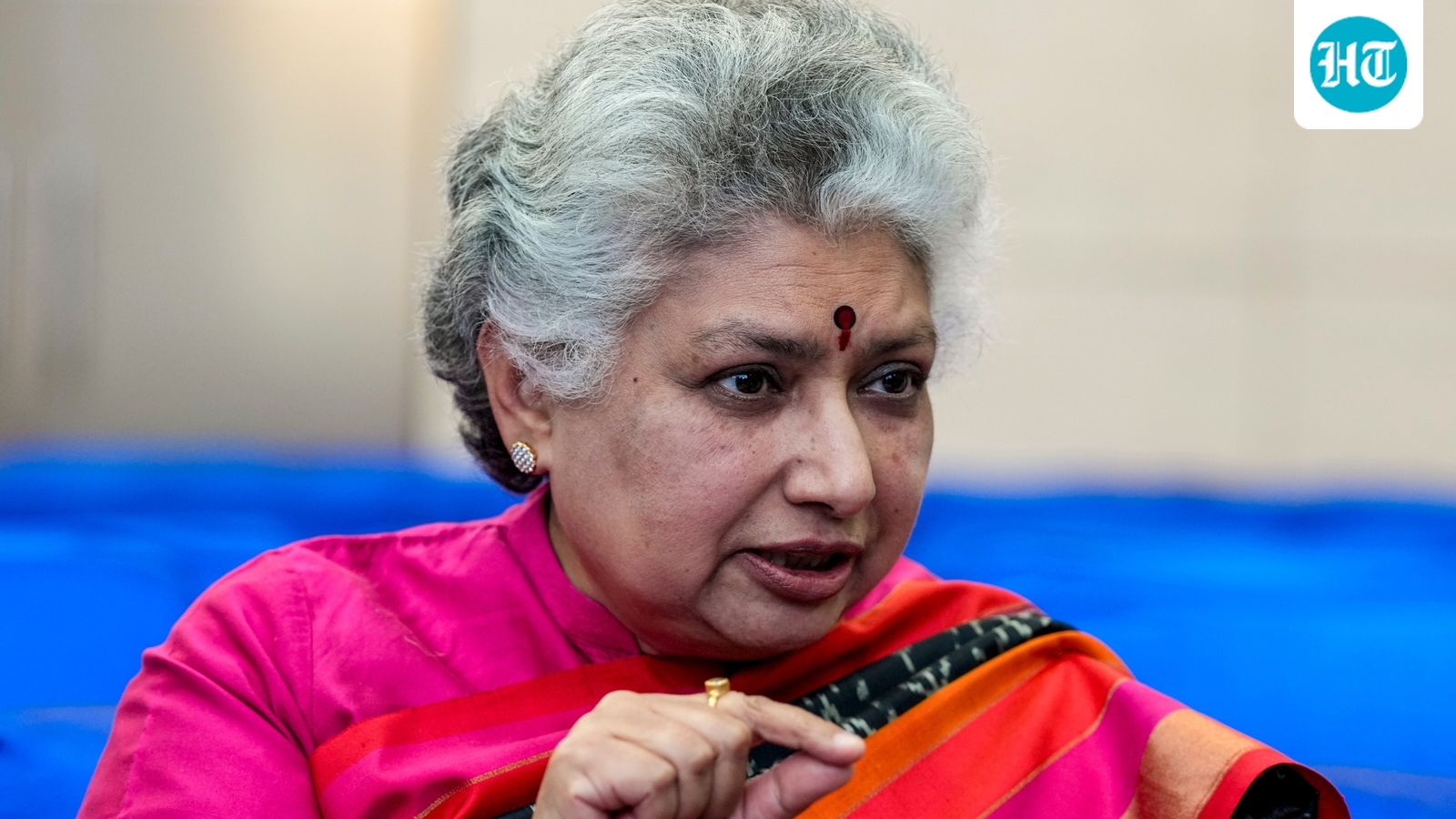
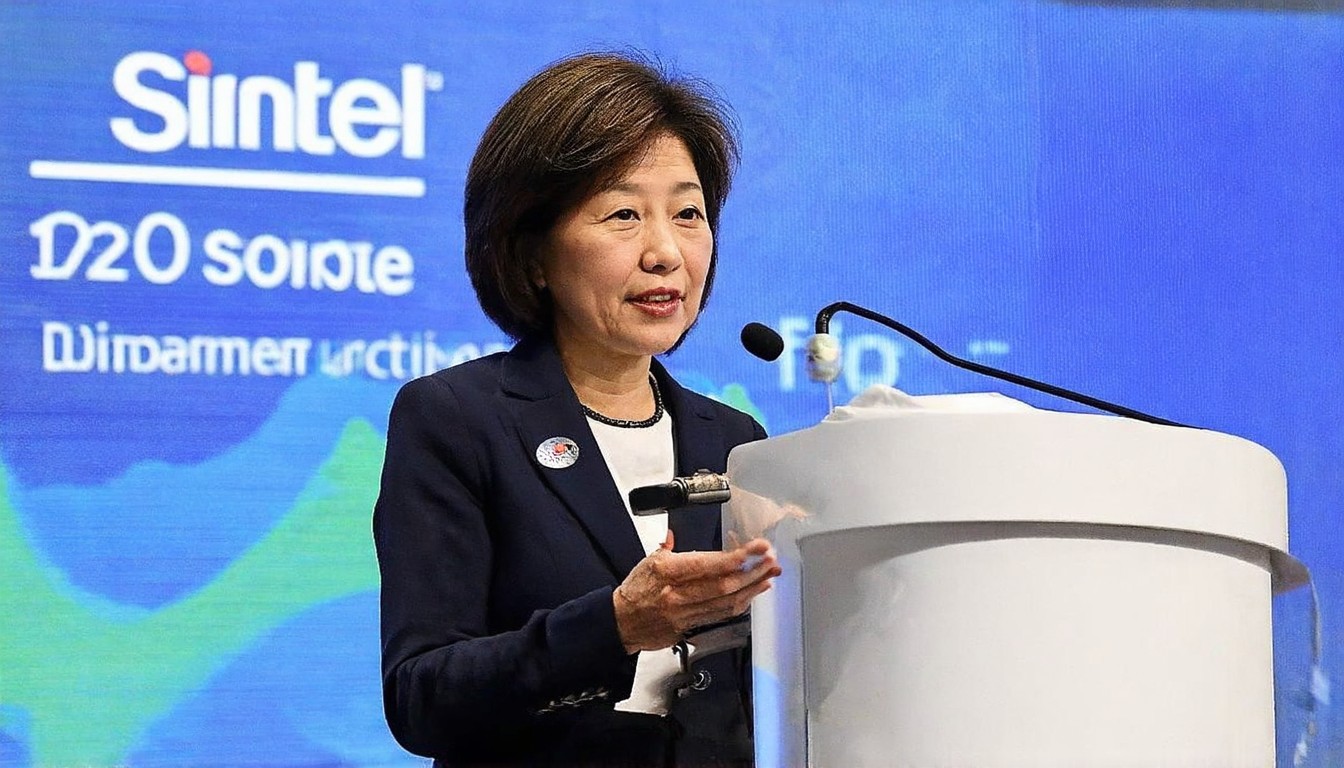
In a recent lecture, Supreme Court Judge BV Nagarathna emphasized the importance of maintaining the independence of the Election Commission, warning against any influence from the political process. She highlighted that the constitutional framework can erode gradually, even if individual rights remain nominally intact.
Nagarathna began by discussing the foundational role of the Election Commission in ensuring free and fair elections, which is crucial for the democratic process. She noted that the Commission's impartiality is a cornerstone of India's electoral system, and any attempt to compromise this independence could have far-reaching consequences.
"The Election Commission must function independently, free from political interference," Nagarathna stressed. "Its role is to uphold the sanctity of elections, and any undermining of its autonomy could lead to a gradual erosion of the constitutional structure."
She explained that this erosion does not happen overnight. Instead, it occurs through a series of seemingly minor actions that chip away at the Commission's authority. For instance, political appointments to the Commission, pressure to favor certain candidates, or interference in administrative decisions are all examples of how the independence of the Election Commission can be undermined.
Nagarathna warned that such gradual hollowing-out of the Election Commission's structure can lead to a constitutional breakdown. Even if individual rights are not directly targeted, the overall functioning of the democratic system can be severely compromised. This is because the Election Commission's role is not just about safeguarding individual rights but also about maintaining the integrity of the electoral process, which is essential for the legitimacy of the government.
She illustrated this point with an example. Suppose the Election Commission is pressured to alter the electoral boundaries in a way that favors a particular political party. This might not directly infringe upon individual rights, but it could lead to skewed election results, undermining the democratic process. Over time, such actions could create an environment where elections are no longer a true reflection of the people's will, leading to a breakdown of the constitutional framework.
Nagarathna also discussed the importance of public trust in the Election Commission. She argued that any perceived lack of independence could erode this trust, making it difficult for the Commission to carry out its duties effectively. "The Election Commission must be seen as an impartial institution," she said. "Any political interference could tarnish its image and make it harder to maintain public confidence."
In conclusion, Nagarathna urged policymakers and the political class to respect the independence of the Election Commission. She emphasized that while individual rights are important, they are meaningless in a system where elections are not conducted fairly. The preservation of the Election Commission's independence, therefore, is not just a matter of principle but a necessity for the continued functioning of India's democracy.
"The constitutional breakdown may not be immediate," she warned. "It may happen gradually, through a series of seemingly insignificant actions. But the consequences could be catastrophic. We must guard against this by ensuring the Election Commission remains independent and free from political influence."
Nagarathna's lecture serves as a stark reminder of the challenges faced by India's electoral system. It underscores the need for vigilance and the protection of the Election Commission's independence to safeguard the democratic process and uphold the constitution. Only then can India ensure that its elections remain free, fair, and a true reflection of the people's will.