Election Commission Directs Bengal Officials To Ensure Free, Fair And ‘Chappa-Free’ Polls
EC said the elections must be violence-free, intimidation-free and inducement-free. It also underlined that there should be no “chappa vote”, no booth jamming and source jamming.
The Election Commission of India (EC) has recently directed officials in the Indian state of West Bengal to ensure that the upcoming elections are conducted in a manner that is free from violence, intimidation, and inducements. This directive comes as a response to historical instances of irregularities and malpractices that have marred previous elections in the region. The EC has emphasized the need for a "chappa-free" polling process, where "chappa" refers to the practice of marking a voter's thumb impression on the electoral roll without their knowledge or consent, thereby enabling unauthorized voting.
In a statement released by the EC, it reiterated its commitment to upholding the integrity of the electoral process and ensuring that all eligible voters have an unhindered opportunity to exercise their right to vote. The commission has also highlighted the importance of preventing booth jamming and source jamming, which involve obstructing voters from entering polling booths or intimidating them at the source, respectively. These practices not only hinder the free and fair exercise of voting rights but also undermine public trust in the electoral system.
The EC's directive to Bengal officials underscores the challenges faced in conducting free and fair elections in regions with a history of political violence and voter intimidation. West Bengal has been a battleground for political rivalry between the Trinamool Congress (TMC) and the Bharatiya Janata Party (BJP), with both parties accused of engaging in malpractices to gain an advantage. The EC's intervention is aimed at curbing such activities and ensuring a level playing field for all contesting parties.
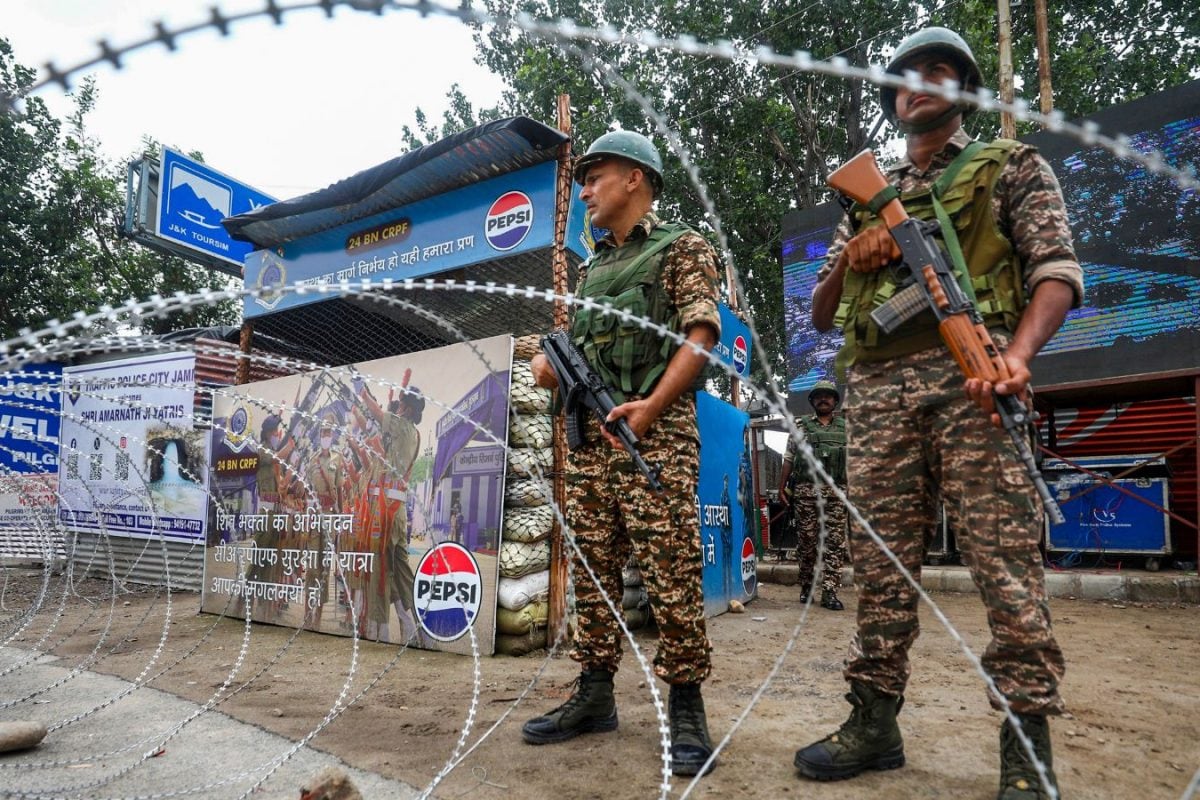
To achieve this, the EC has instructed state authorities to strengthen the security apparatus around polling stations and ensure that adequate measures are in place to prevent any form of violence or intimidation. This includes deploying additional security personnel, installing CCTV cameras in polling booths, and conducting regular drills to prepare for potential incidents. The commission has also urged the media to play a responsible role in covering the elections, by focusing on the electoral process rather than sensationalizing incidents of violence or malpractices.
In addition to security measures, the EC has emphasized the need for transparency and accountability in the electoral process. This includes conducting regular audits of electoral rolls to identify and rectify discrepancies, such as duplicate or fake entries. The commission has also urged the state election authorities to conduct door-to-door verification of voter lists, a process that has been proven effective in previous elections.
Moreover, the EC has called for the strict enforcement of the Model Code of Conduct (MCC), which governs political activities during the electoral period. The MCC prohibits campaigning within a specified distance of polling stations, the use of loudspeakers, and the distribution of freebies or inducements to voters. Violations of the MCC are punishable under the Representation of the People Act (RPA), and the EC has warned that it will take strict action against those found guilty of such violations.
The EC's directive to Bengal officials is a stark reminder of the challenges faced in maintaining the sanctity of the electoral process in India. While the country has made significant strides in recent years in terms of voter turnout and electoral participation, the persistent occurrence of malpractices and violence during elections remains a cause for concern. The commission's efforts to ensure a "chappa-free" and intimidation-free environment are crucial in upholding the democratic values that India stands for.
In conclusion, the Election Commission's directive to West Bengal officials highlights the ongoing challenges in conducting free and fair elections in regions with a history of political violence and voter intimidation. By emphasizing the need for a "chappa-free" polling process, preventing booth and source jamming, and enforcing the Model Code of Conduct, the EC is taking a proactive approach to ensure that the upcoming elections in Bengal are conducted in accordance with the principles of democracy and fairness. The success of these efforts will not only determine the outcome of the elections but also shape the future of India's democratic institutions.