
El nuevo híbrido de sorgo de Embrapa se centra en la producción de ensilado, biogás y energía
Embrapa y Latina Seeds lanzaron el híbrido de sorgo forrajero gigante BRS 662 (LAS6002F), orientado a ensilaje, biogás y producción de energía. El cultivar de ciclo temprano puede superar 80 toneladas por hectárea, con fuerte rebrote y resistencia a enfermedades fúngicas clave. Adaptado a las principales regiones productoras de Brasil, ofrece biomasa de alta calidad para alimentación animal y bioenergía. The post El nuevo híbrido de sorgo de Embrapa se centra en la producción de ensilado, biogás y energía appeared first on Seed World .
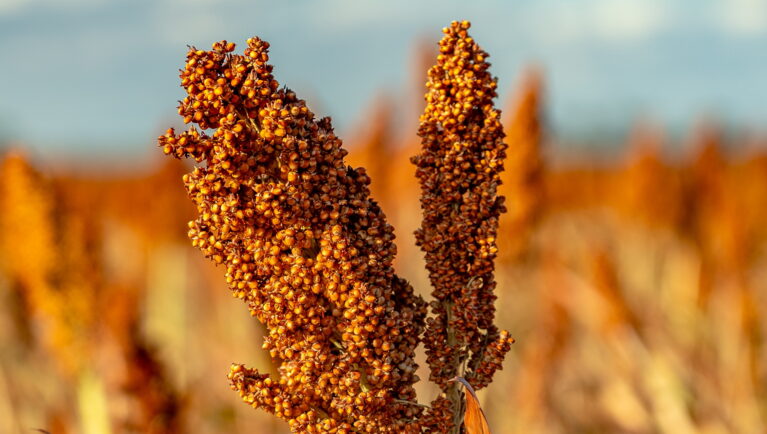
Embrapa, Brazil's agricultural research agency, and Latina Seeds have introduced a new giant sorghum hybrid called BRS 662, marketed as LAS6002F. This innovative cultivar is specifically designed for silage production, biogas generation, and energy, making it a significant development in the agricultural sector. The early-maturing sorghum can produce over 80 tons per hectare, with strong regrowth capabilities and resistance to critical fungal diseases. Adapted to the main sorghum-producing regions of Brazil, the hybrid offers high-quality biomass suitable for animal feed and bioenergy.
Embrapa Maize and Sorghum (Minas Gerais) and Latina Seeds have launched the BRS 662 hybrid, which stands out for its early cycle and stable forage production in both the first and second harvests. The cultivar provides consistent results across various growing conditions. The BRS 662 (LAS6002F) also boasts a forage yield potential of over 80 tons per hectare in a single cut, with a cycle of up to 125 days. Additionally, the hybrid exhibits a strong regrowth capacity, reaching up to 60% of the first harvest yield.
The new sorghum is recommended for cultivation in Brazil's major sorghum-producing regions: the Central-West (Distrito Federal, Goiás, Mato Grosso, and Mato Grosso do Sul) and the Southeast (Espírito Santo, Minas Gerais, Rio de Janeiro, and São Paulo). "In addition to its high yield and early maturity, which ensure its competitiveness in the market, the BRS 662 (LAS6002F) demonstrates excellent health against severe fungal diseases such as anthracnosis, helminthosporiosis, and cercosporiosis, which are among the biggest threats to this crop in the country," says Rafael Parrella, the researcher responsible for developing the hybrid at Embrapa Maize and Sorghum.
The hybrid provides high-quality forage with a high cellulose and hemicellulose content, combined with a low lignin level. This composition allows for multiple applications, including animal feed, biogas generation, and combined heat and power (CHP) systems, all at relatively low production costs. Other features of the cultivar include an average plant height of 4 to 5 meters and brown grains, according to a press release.
"The cultivar exhibits excellent tolerance to lodging and breakage, as well as good resistance to other biotic and abiotic stresses," notes Parrella. The development of the BRS 662 hybrid was driven by the need to address the challenges faced by sorghum producers in Brazil, particularly those related to fungal diseases and the need for versatile, high-yielding crops.
The introduction of the BRS 662 hybrid is expected to have a significant impact on the agricultural industry in Brazil. By offering a high-performing, disease-resistant sorghum with multiple uses, the cultivar can help farmers increase productivity and diversify their income sources. The hybrid's adaptability to different regions of the country also positions it as a valuable tool for agricultural extension and research.
Moreover, the focus on biogas and energy production highlights the importance of sustainable agriculture and the potential for sorghum to play a crucial role in the transition to a low-carbon economy. The BRS 662 hybrid's ability to generate high-quality biomass for bioenergy applications can contribute to Brazil's renewable energy goals and reduce reliance on fossil fuels.
In conclusion, the launch of the BRS 662 hybrid by Embrapa and Latina Seeds represents a major advancement in sorghum breeding. With its exceptional yield, regrowth potential, and resistance to fungal diseases, the cultivar is poised to become a cornerstone of sustainable agriculture in Brazil. Its versatility in terms of applications, from animal feed to bioenergy, further underscores its potential to drive innovation and growth in the agricultural sector.








