
Eight dead after earthquake hits Afghanistan and Pakistan
At least eight people are dead, and a child injured, after a 5.9 magnitude earthquake hit parts of Afghanistan and Pakistan late on Friday.
On Friday evening, a powerful 5.9 magnitude earthquake struck the border regions of Afghanistan and Pakistan, causing widespread devastation and claiming at least eight lives. The seismic activity, which occurred late in the day, left a trail of destruction in both countries, with emergency services scrambling to respond to the crisis.
The epicenter of the earthquake was located near the Afghanistan-Pakistan border, with the tremors felt as far as in Kabul and Islamabad. Initial reports indicate that the quake caused significant damage to infrastructure, particularly in the rural areas of both nations. Residents in the affected regions described the ground shaking violently, leading to the collapse of several buildings and disruption of vital services.
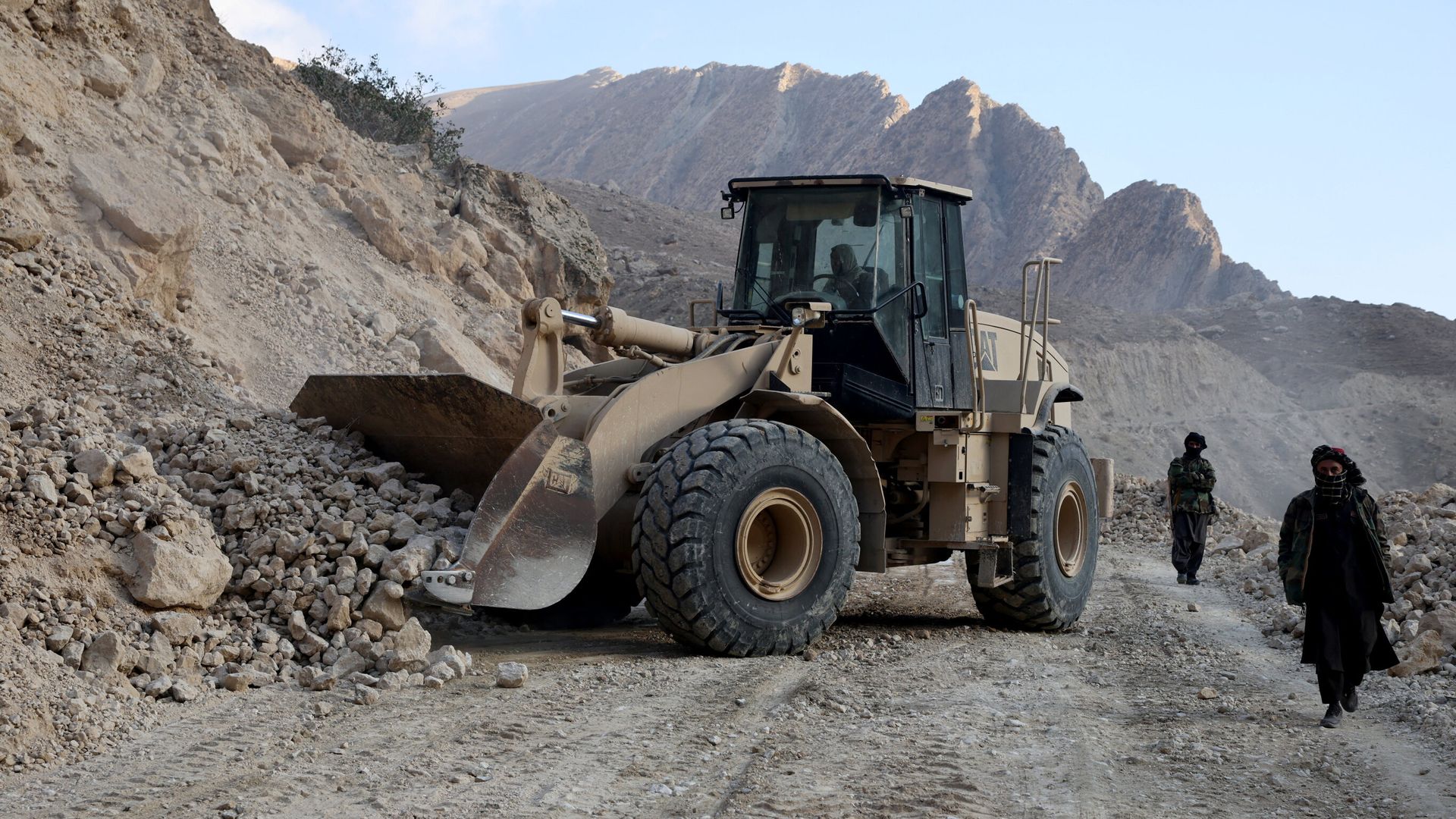
In Afghanistan, the tremors hit the Balkh province, where an excavator was deployed to clear a road that had been blocked by debris. The province, already facing challenges due to ongoing security issues and economic hardships, now faces the added burden of earthquake-related devastation. Local authorities are working tirelessly to assess the extent of the damage and provide aid to those in need.
Pakistan, too, has been hit hard by the earthquake, with reports of casualties and damaged properties in the tribal areas near the border. Emergency crews have been mobilized to search for survivors and provide medical assistance to the injured. The situation on the ground remains precarious, with many people still trapped under the rubble of collapsed structures.
The death toll is expected to rise as rescue operations continue, with both governments urging their citizens to remain cautious and cooperate with emergency services. The United Nations and international aid organizations have pledged their support, with teams already en route to assess the situation and coordinate relief efforts.
This natural disaster comes at a particularly challenging time for both Afghanistan and Pakistan, which are already grappling with political instability, economic instigations, and social unrest. The earthquake serves as a stark reminder of the vulnerability faced by these nations, which are often at the mercy of seismic activity due to their geographical location.
As the aftermath of the earthquake unfolds, the international community is called upon to provide immediate assistance and support to the affected populations. The governments of Afghanistan and Pakistan have vowed to work together to rebuild and restore the areas hit by the disaster, but the scale of the damage suggests that it will be a long and arduous process.
In the coming days, the focus will be on rescue operations, providing aid to the displaced, and assessing the long-term impact of the earthquake on the region's stability and development. The loss of life and the destruction caused by this natural disaster underscore the need for improved disaster preparedness and resilience in both countries, as well as the importance of international cooperation in the face of such crises.
As the world watches the unfolding situation, the hope is that the solidarity and support from the international community will help Afghanistan and Pakistan weather this latest challenge and begin the difficult journey towards recovery.








