
Egypt releases activist Sherif Al-Rouby
Egypt has released a well-known activist and leading member of the pro-democracy 'April 6th' rights movement that helped to prompt the nation’s uprising in 2011, Sherif Al-Rouby.
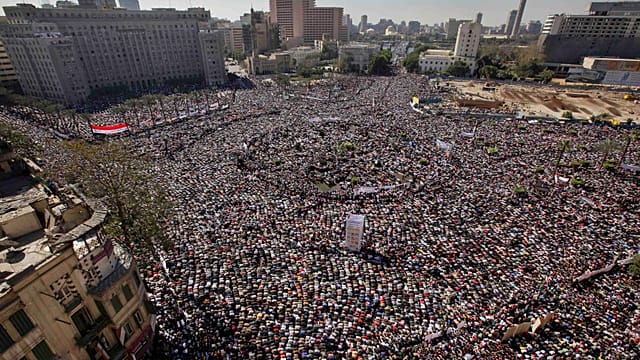
Egypt has released Sherif Al-Rouby, a prominent activist and a key figure in the pro-democracy 'April 6th' rights movement, which played a significant role in sparking the nation's uprising in 2011. Al-Rouby's release comes after years of detention and a high-profile campaign by human rights organizations and international bodies.
Sherif Al-Rouby first gained prominence during the 2011 Egyptian revolution, which led to the ousting of President Hosni Mubarak after three decades of authoritarian rule. As a leading member of the April 6th Movement, Al-Rouby was instrumental in organizing protests and raising awareness about human rights abuses under the Mubarak regime. The movement's efforts culminated in the widespread demonstrations that eventually forced Mubarak to step down.
Following the 2011 revolution, Al-Rouby continued to advocate for democratic reforms and the protection of civil liberties in Egypt. However, his activism did not go unnoticed by the Egyptian authorities. In 2013, he was arrested on charges of "spreading false news" and "harming national security." His arrest was widely condemned by human rights groups, who described it as an attempt to silence dissent and stifle political opposition.
Al-Rouby's detention sparked international outrage, with organizations such as Amnesty International and Human Rights Watch calling for his immediate release. His case became a symbol of the ongoing struggle for freedom and democracy in Egypt, a country that has faced significant challenges in establishing a stable democratic government since the 2011 uprising.
After serving nearly a decade in detention, Al-Rouby was finally released on bail in a move that has been hailed as a victory for human rights activists and a testament to the resilience of the Egyptian civil society. His release follows a series of other political detainees being granted amnesty or released under pressure from domestic and international actors.
Upon his release, Al-Rouby expressed his gratitude to the international community and human rights organizations for their unwavering support. He also reiterated his commitment to continuing his work for democracy and human rights in Egypt, emphasizing the need for sustained efforts to build a truly free and just society.
Egypt's decision to release Al-Rouby is seen as a mixed signal regarding the country's commitment to democratic reforms. While some view it as a positive step towards rehabilitating the image of Egypt's human rights record, others argue that it is merely a tactical move to appease international pressure without addressing the underlying issues of political repression and freedom of expression.
The release of Sherif Al-Rouby marks a significant moment in the ongoing struggle for democracy in Egypt. As he resumes his activism, the international community will closely monitor the situation, hoping that this development signals a turning point towards greater political openness and respect for human rights in the country.









