
Egg prices surge in Europe ahead of Easter: Which countries saw the highest rise?
Egg prices, both consumer and wholesale, are on the rise across Europe. Egg inflation significantly outpaces overall inflation in most European countries.
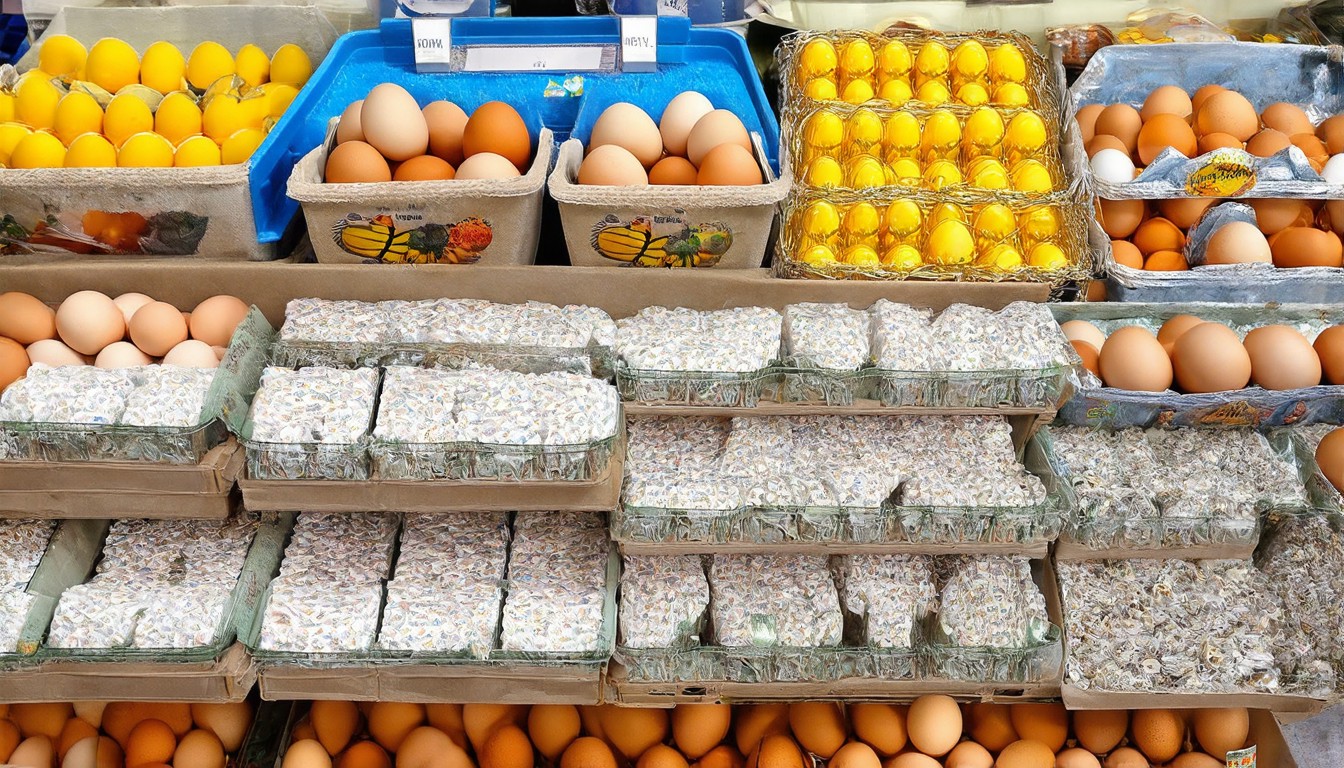
Egg prices in Europe are surging ahead of Easter, with both consumer and wholesale prices experiencing a sharp increase. This rise is particularly notable as it significantly outpaces overall inflation rates in most European countries. The surge in egg prices has raised concerns among consumers and industry experts alike, as it impacts not only individual budgets but also the broader economy.
The reasons behind this sudden spike in egg prices are multifaceted. One primary factor is the ongoing disruptions in the global supply chain, which have been exacerbated by geopolitical tensions and logistical challenges. These issues have led to reduced egg production in several European countries, thereby driving up prices. Additionally, the European Union's commitment to improving animal welfare standards has resulted in stricter regulations on egg production, particularly in relation to cage-free farming. These changes have increased production costs for farmers, further contributing to the price hike.
Among European countries, the rise in egg prices varies significantly. In Spain, for instance, egg prices have risen by an average of 25% over the past year, making it one of the most affected nations. This surge is particularly felt in the retail sector, where supermarkets are struggling to maintain stable prices while still making a profit. Similarly, in France, egg prices have increased by around 20%, with wholesale prices rising even more sharply. The French government has acknowledged the issue and is working on strategies to mitigate the impact on consumers.
The Netherlands, a major egg producer in Europe, has also experienced a notable rise in egg prices. Despite being a significant exporter, the country's prices have increased by approximately 15% due to both domestic and international demand pressures. This has led to concerns among Dutch farmers, who are facing financial challenges as they try to compete with other European producers.
In contrast, some Eastern European countries have seen more moderate increases in egg prices. For example, in Poland, egg prices have risen by around 10%, which is lower than the average in Western Europe. This can be attributed to the country's relatively lower production costs and its position as a net exporter of eggs.
The surge in egg prices is not only affecting consumers but also has broader implications for the European economy. With eggs being a staple food item in many households, the increased costs can lead to reduced consumption and altered dietary habits. Moreover, the higher prices can contribute to inflationary pressures, potentially undermining the efforts of central banks to maintain price stability.
Governments across Europe are responding to the situation in various ways. Some countries are considering subsidies or price controls to help alleviate the burden on consumers. Others are focusing on increasing domestic egg production to reduce reliance on imports. Additionally, there are calls for further investment in the agricultural sector to improve efficiency and resilience in the face of future disruptions.
In conclusion, the surge in egg prices across Europe is a complex issue with roots in global supply chain disruptions, stricter animal welfare regulations, and changing consumer preferences. As Easter approaches, the price hike is likely to be felt keenly by consumers, prompting a reevaluation of food purchasing habits and potentially influencing broader economic trends. The European Union and individual member states must collaborate to address these challenges and ensure a stable food supply for all citizens.









