
Egg prices surge in Europe ahead of Easter: Which countries saw the highest rise?
Egg prices, both consumer and wholesale, are on the rise across Europe. Egg inflation significantly outpaces overall inflation in most European countries.
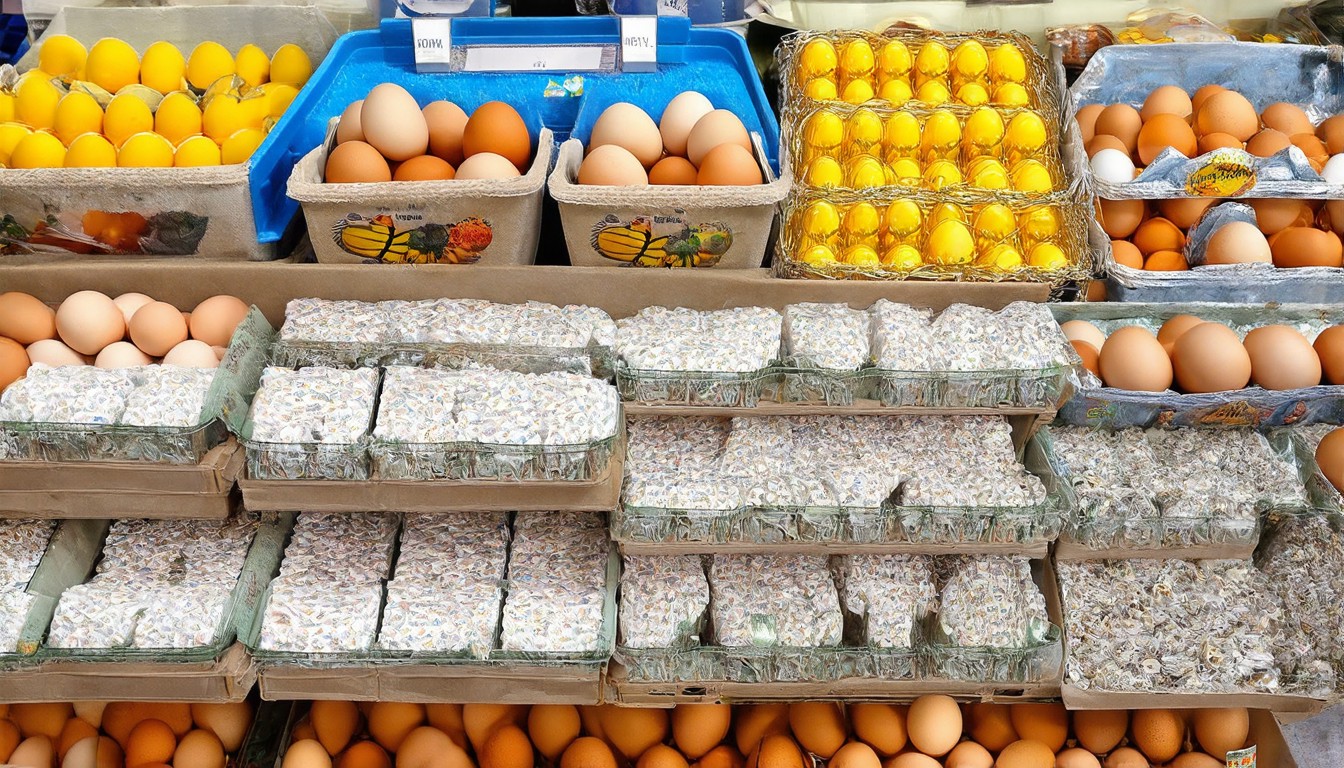
Egg prices in Europe are surging ahead of Easter, with both consumer and wholesale prices experiencing steep increases across the continent. This sudden spike in egg prices is particularly notable because it outpaces overall inflation rates in most European countries, causing concern among consumers and industry experts alike. The rapid rise in egg prices has been attributed to a combination of factors, including supply chain disruptions, increased demand during the Easter season, and changes in agricultural policies.
The surge in egg prices has been most pronounced in countries that heavily rely on egg production for their domestic markets and exports. For instance, in the Netherlands, a major egg producer in Europe, egg prices have risen significantly due to a combination of factors. The Dutch egg industry has faced challenges from the European Union's decision to phase out battery cages for hens, leading to increased production costs for farmers. Additionally, the Dutch government has implemented stricter environmental regulations, which have further raised the cost of egg production. These factors have contributed to a sharp increase in egg prices, making it difficult for consumers to afford this staple food item.
In Germany, another key player in the European egg market, egg prices have also risen sharply. The German egg industry has been affected by the same EU-wide changes to animal welfare regulations, which have required farmers to invest in new housing systems for hens. Furthermore, the country has experienced a shortage of workers in the agricultural sector, leading to reduced egg production. The combination of higher production costs and lower supply has resulted in a significant increase in egg prices, particularly in the lead-up to Easter, when demand is traditionally high.
France, known for its rich culinary traditions that often feature eggs, has also witnessed a marked rise in egg prices. The French egg industry has been impacted by the same EU regulations regarding hen housing, as well as increased competition from other European producers. Additionally, France has faced challenges with avian influenza outbreaks in some regions, leading to reduced egg production. These factors have contributed to a steep increase in egg prices, causing concern among French consumers who rely on eggs for a variety of dishes.
Spain, a significant egg producer in Europe, has also experienced a surge in egg prices. The Spanish egg industry has been affected by the same EU regulations, as well as increased competition from other European countries. Moreover, Spain has faced challenges with the cost of feed and energy, which have contributed to higher production costs. The combination of these factors has led to a significant increase in egg prices, particularly in the run-up to Easter, when demand is expected to peak.
The rapid rise in egg prices across Europe has raised concerns about food security and affordability, especially for vulnerable populations. Consumers in many countries are facing higher costs for this essential food item, which can have a significant impact on household budgets. Industry experts have warned that the current surge in egg prices may lead to long-term changes in consumer behavior and preferences, as people seek out alternative protein sources or reduce their consumption of eggs.
Governments across Europe are monitoring the situation closely, with some considering potential interventions to mitigate the impact of rising egg prices. Some countries have explored the possibility of importing eggs to help stabilize domestic markets, while others are looking into ways to support egg farmers in the face of increased production costs. The European Commission has also been called upon to address the issue, with some advocating for a review of the EU's egg production regulations to ensure a balance between animal welfare and economic sustainability.
In conclusion, the surge in egg prices across Europe ahead of Easter is a cause for concern, as it outpaces overall inflation rates and affects consumers and farmers alike. The combination of EU regulations, supply chain disruptions, and increased demand during the Easter season has led to a steep rise in egg prices, with some countries experiencing particularly significant increases. As governments and industry experts work to address the issue, the future of egg prices in Europe remains uncertain, with potential implications for food security, affordability, and consumer behavior.









