
Egg prices could break more records in 2025
The USDA is expecting consumer costs to rise another 20% this year as bird flu devastates commercial flocks.
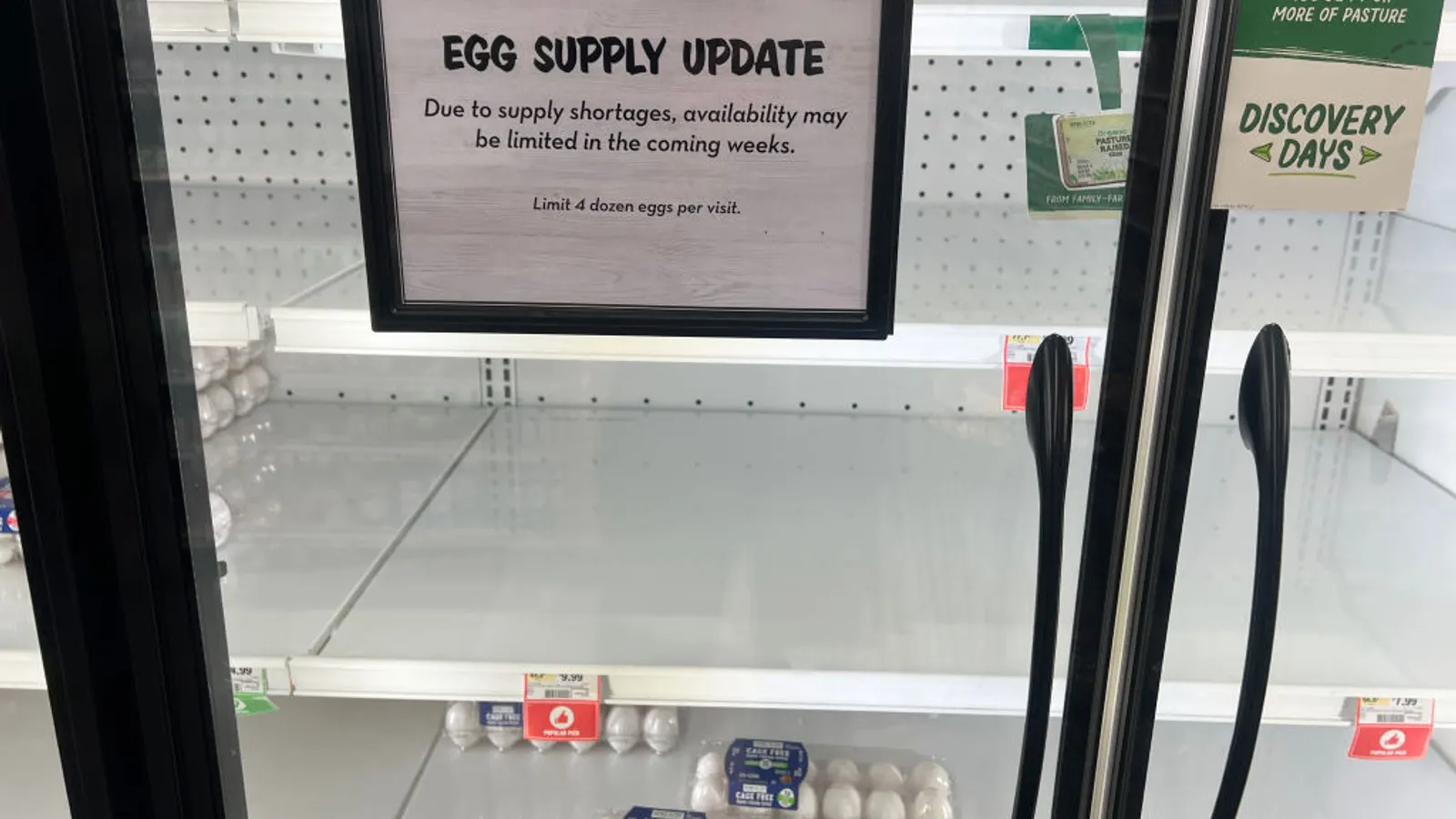
The rising tide of egg prices is set to continue its upward trajectory in 2025, according to the latest projections from the United States Department of Agriculture (USDA). The agency predicts that consumer costs for eggs will increase by another 20% this year, driven primarily by the ongoing impact of bird flu on commercial flocks. This news comes as a significant concern for both farmers and consumers, as it highlights the fragility of the global egg supply chain and the potential for further economic strain.
The bird flu outbreak, which has been ravaging poultry farms across the United States and other major egg-producing nations, has led to a dramatic reduction in the number of hens available for egg production. As a result, the supply of eggs has fallen sharply, while demand remains relatively stable. This imbalance has created a perfect storm for egg prices, pushing them to record highs.
The USDA's forecast underscores the severity of the situation and the potential for continued price increases. The agency attributes the anticipated rise in consumer costs to the ongoing challenges faced by the poultry industry, including the need for increased biosecurity measures to prevent further outbreaks. These measures, while necessary to protect public health and animal welfare, can be costly for farmers, leading to higher production costs that are ultimately passed on to consumers.
The impact of these price increases is not limited to the United States. Major egg-producing countries, such as China, Brazil, and Argentina, have also been affected by bird flu outbreaks, further exacerbating the global supply shortage. This has led to increased competition for the limited supply of eggs, driving up prices worldwide.
For consumers, the prospect of higher egg prices means that staples like breakfast scrambles and baked goods may become more expensive. This could have ripple effects across various industries, from restaurants to bakeries, as they adjust their pricing strategies to accommodate the increased cost of eggs.
Farmers and poultry producers are also facing significant challenges. Many have been forced to cull infected flocks, leading to substantial financial losses. Additionally, the industry is grappling with the need to invest in new infrastructure and biosecurity measures to prevent future outbreaks. These investments require time and resources, which can further strain the industry's ability to recover and stabilize egg prices.
The USDA's projections also highlight the need for policymakers to address the underlying vulnerabilities in the egg supply chain. This includes investing in research to develop more resilient strains of chickens that are less susceptible to bird flu, as well as enhancing global cooperation to monitor and respond to outbreaks more effectively.
In the meantime, consumers may need to adapt to the changing landscape of egg prices. This could involve seeking out alternative protein sources or adjusting their purchasing habits to accommodate the increased cost of eggs. For the poultry industry, the challenge lies in finding ways to rebuild and strengthen its resilience in the face of ongoing threats from diseases like bird flu.
As 2025 approaches, the outlook for egg prices remains uncertain, but the USDA's predictions serve as a stark reminder of the potential for continued instability. The global egg supply chain is facing significant challenges, and it will be up to farmers, policymakers, and consumers to navigate these difficulties and work towards a more stable future for the industry.









