
Efficiency at Scale: NVIDIA, Energy Leaders Accelerating Power‑Flexible AI Factories to Fortify the Grid
CERAWeek — dubbed the Davos of energy — is where policymakers, producers, technologists and financiers gather to discuss how the world powers itself next. NVIDIA and Emerald AI unveiled at the conference last week a new way forward — treating AI factories not as static power loads but as flexible, intelligent grid assets. This collaboration […]
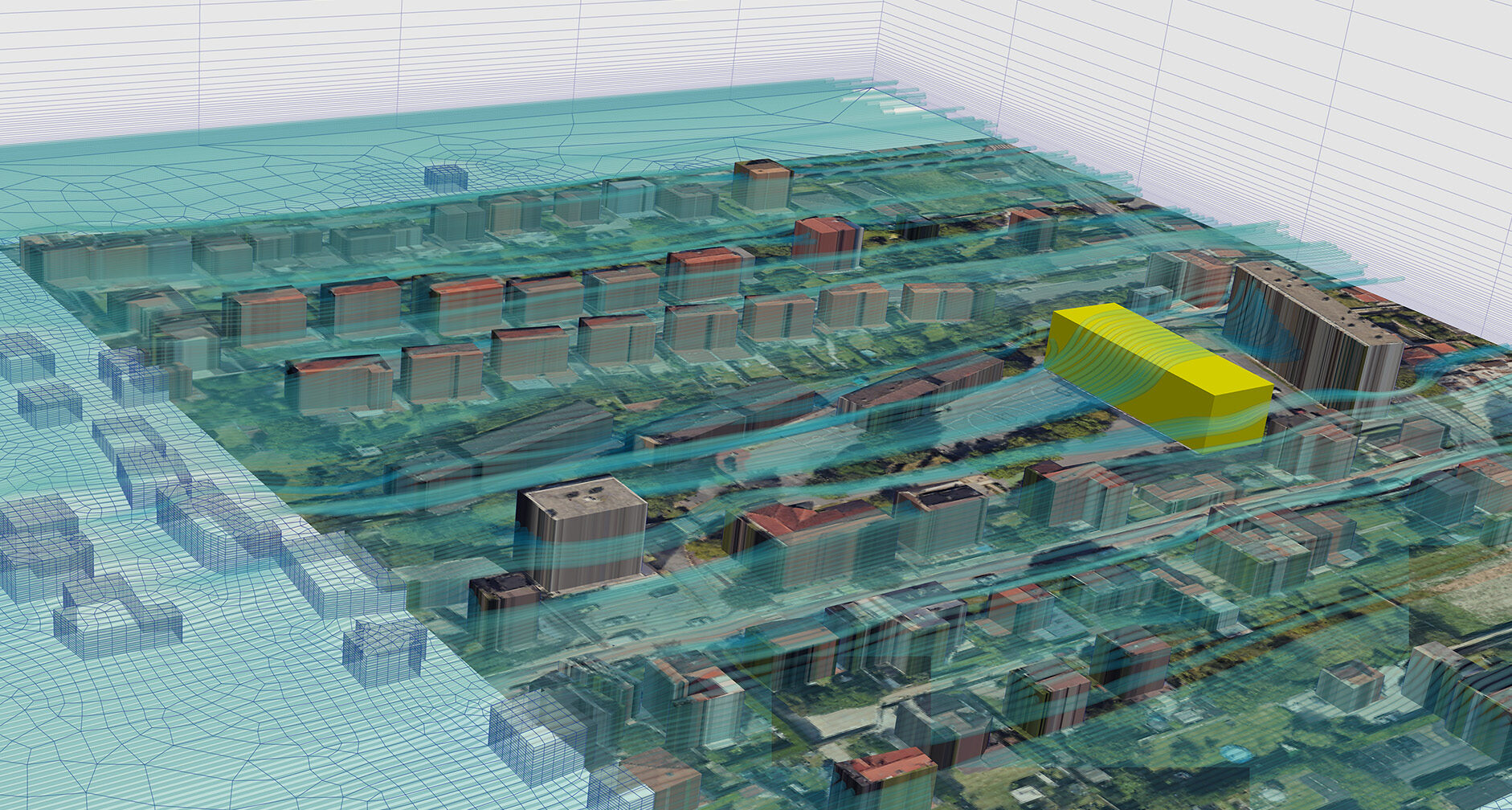
At CERAWeek, often referred to as the "Davos of energy," NVIDIA and Emerald AI unveiled a groundbreaking collaboration that aims to revolutionize the way AI factories are integrated into the power grid. The event, which brings together policymakers, producers, technologists, and financiers to discuss the future of global energy, witnessed the presentation of a new approach that treats AI factories not as static power loads but as flexible, intelligent grid assets.
This innovative collaboration combines accelerated computing, AI factory reference architectures, and real-time energy orchestration. The goal is to enable large-scale AI deployments to connect to the grid more efficiently, operate with greater reliability, and reduce the need for overbuilding infrastructure to meet peak demand. At the heart of this initiative is the NVIDIA Vera Rubin DSX AI Factory reference design, paired with Emerald AI's Conductor platform. Together, these technologies bring together compute, power networking, and control into a unified architecture.
The result is an AI factory capable of generating high-value AI tokens while dynamically responding to grid conditions. This dynamic flexibility allows the factory to adjust its operations in real-time, supporting grid reliability and reducing the strain on existing infrastructure. By leveraging this approach, the need for overbuilding power plants to handle peak demand is significantly diminished, leading to more efficient use of resources and a stronger, more resilient energy grid.
Several major energy companies, including AES, Constellation, Invenergy, NextEra Energy, Nscale Energy & Power, and Vistra, are actively working to build the energy generation capacity needed to meet the rapidly growing demand for power. These companies are collaborating on optimized generation strategies to support AI factories built on the NVIDIA and Emerald AI architecture. This includes hybrid projects that utilize co-located power to accelerate the time to power while delivering value to the broader grid.
By pairing large AI loads with flexible operations, new generation resources, and intelligent controls, this approach not only strengthens grid reliability but also addresses the critical challenge of energy efficiency in data centers. As energy constraints become more pronounced, the focus on performance per watt, specifically tokens per second per watt, is driving improvements in AI data centers. This shift towards energy efficiency is essential for ensuring the sustainable growth of AI technologies and their integration into the global energy landscape.
NVIDIA founder and CEO Jensen Huang described this new computing infrastructure paradigm as a "five-layer AI cake," with energy serving as the foundational layer. This metaphor highlights the pivotal role that energy plays in enabling the advancement of AI technologies and their integration into the power grid. As the world continues to grapple with the complexities of energy production and consumption, the collaboration between NVIDIA and Emerald AI represents a significant milestone in achieving grid resilience and supporting the ecosystem for advanced AI factories.
In conclusion, the unveiling of this innovative approach at CERAWeek marks a turning point in how AI factories are designed and integrated into the energy grid. By treating these facilities as flexible, intelligent assets, policymakers, producers, and technologists can work together to build a more efficient, reliable, and sustainable energy infrastructure. This collaboration not only addresses the challenges posed by rapidly growing power demand but also paves the way for the widespread adoption of AI technologies in various industries, ultimately fortifying the grid for the future.









