
Economists weigh consequences of war, tariffs, AI
Panel voices concerns over possibility of large job losses, widespread global financial instability
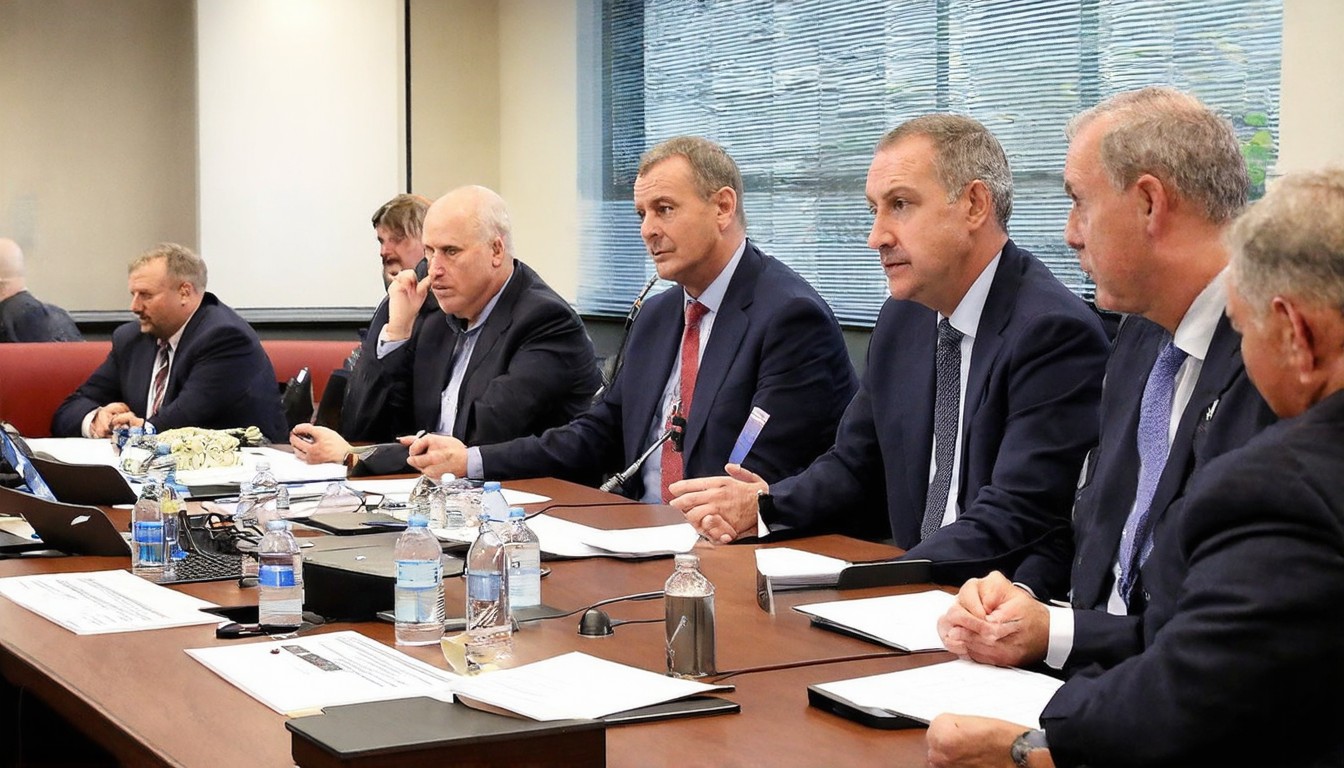
In a recent FAS Symposium, economists Gita Gopinath, Carmen Reinhart, and Dani Rodrik discussed the potential consequences of war, tariffs, and artificial intelligence on the global economy. Their concerns centered on the possibility of large-scale job losses and widespread financial instability, drawing parallels to the "jobless recovery" following the 2008 global financial crisis.
Gita Gopinath, the Gregory and Ania Coffey Professor of Economics, highlighted that the risks posed by artificial intelligence to the labor market are of a much greater magnitude than those seen after the 2008 crisis. She warned that if a recession were to occur in the coming years, it could lead to a transition characterized by significant job losses, potentially exceeding those experienced during the aftermath of the 2008 crisis. This scenario would be particularly concerning given the automation trends observed in firms during the 2008 recovery, where many companies opted to automate rather than rehire workers.
The panelists also addressed the economic impacts of geopolitical tensions, particularly the potential extended U.S.-Israel war with Iran. Carmen Reinhart, the Minos A. Zombanakis Professor of the International Financial System at Harvard Kennedy School, emphasized that the effects of such a conflict would extend far beyond surging oil prices. She foresaw the current spike in fertilizer prices as a precursor to higher inflation risks, which could complicate the U.S. Federal Reserve's efforts to reduce interest rates.
Dani Rodrik, a panelist at the symposium, added to the discussion by touching on the broader implications of shifting trade alliances and technological disruption. The conversation was moderated by Ralph Ranalli, host and co-producer of the "Economics for Inclusive Prosperity" podcast, who noted that the unpredictability of global events, as exemplified by the rapid escalation of conflicts, often renders even the most well-thought-out plans obsolete.
The panelists' concerns underscore the need for policymakers to proactively address the challenges posed by war, tariffs, and artificial intelligence. As these factors continue to shape the global economy, it is crucial to develop strategies that mitigate the risks of large-scale job losses and financial instability. The symposium served as a valuable platform for experts to share insights and foster dialogue on these pressing issues, with the aim of informing informed decision-making in the face of an increasingly complex and uncertain world.









