
Easter travel chaos grips US: 5,600 flights delayed, hundreds cancelled as major airports reel under pressure
As per the FlightAware data, the US airports saw as many as 5,600 and nearly 500 flight cancellations on Saturday, day after Good Friday.
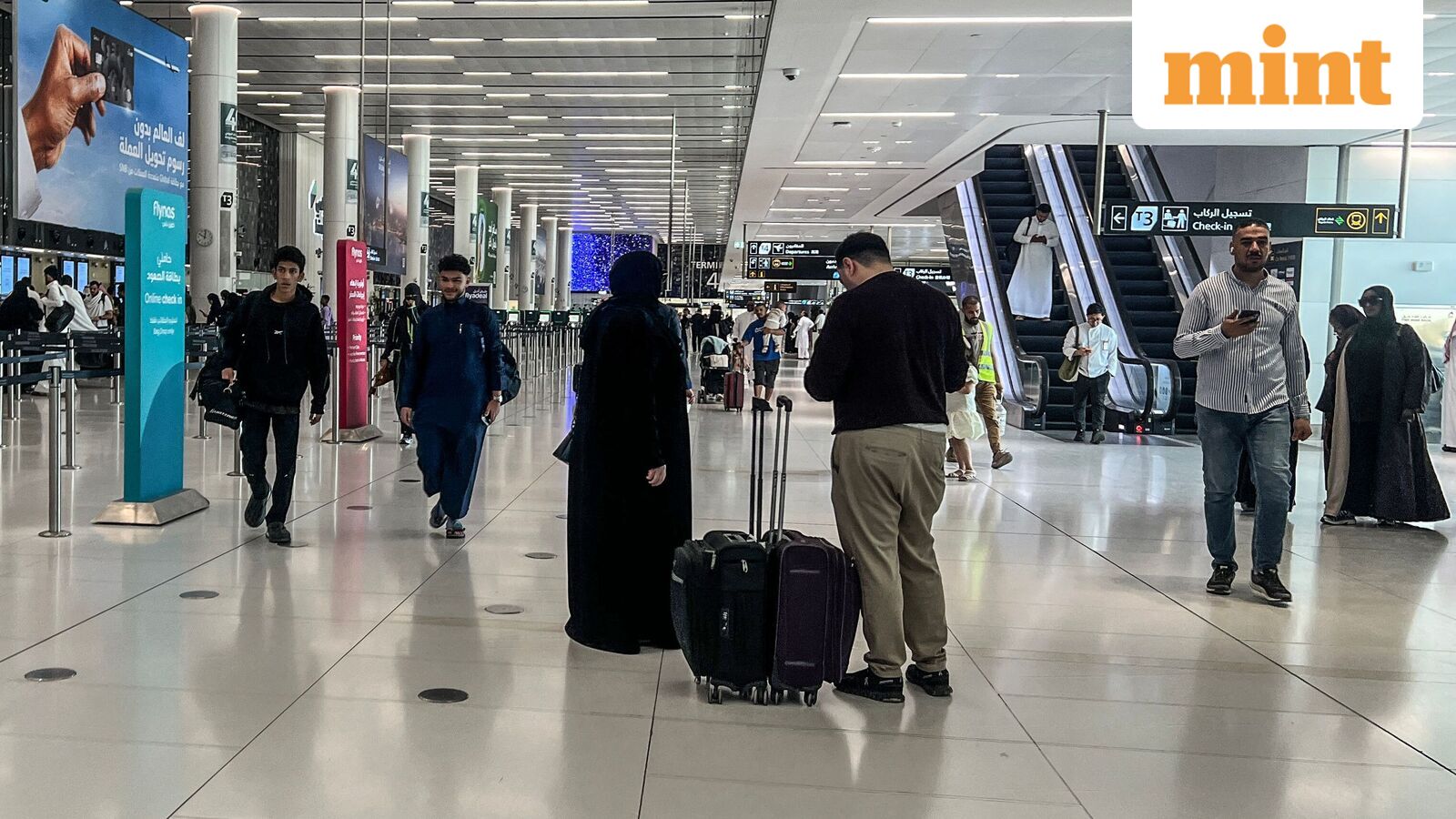
The holiday season of Easter has traditionally been a time for family gatherings and travel, but this year, it has brought unprecedented chaos to the skies over the United States. As the country's airports struggle to cope with the surge in passengers, thousands of flights have been delayed, and hundreds have been canceled, leaving travelers stranded and frustrated.
The situation unfolded on Saturday, the day after Good Friday, when data from FlightAware revealed that US airports experienced as many as 5,600 delays and nearly 500 cancellations. This unprecedented disruption has been attributed to a combination of factors, including staffing shortages, technical issues, and the sheer volume of passengers attempting to travel during the Easter holiday.
The crisis has hit major airports hardest, with some facilities reporting delays of several hours and passengers waiting in long queues. At New York's John F. Kennedy International Airport, for instance, travelers have been waiting for hours to board their flights, while at Chicago's O'Hare International Airport, the situation has been described as "chaotic."
The root causes of this travel chaos are multifaceted. One significant factor is the ongoing staffing shortages in the aviation industry. Many airlines and airports have been grappling with labor shortages for months, exacerbated by the COVID-19 pandemic and its subsequent recovery. With fewer workers to manage the influx of passengers, the pressure on airline staff has reached a breaking point, leading to delays and cancellations.
Another contributing factor is the technical issues faced by airlines and airports. Maintenance crews have been stretched thin, and some aircraft have experienced mechanical problems that have necessitated grounding. Additionally, air traffic control systems have been struggling to manage the increased number of flights, leading to congestion in the airspace above major cities.
The sheer volume of passengers traveling during Easter has also played a role in the chaos. Many Americans have taken advantage of the holiday to visit family or friends, or to escape to a sunny destination. This surge in demand has put immense pressure on airlines and airports, which have struggled to keep up with the increased workload.
The situation has not gone unnoticed by the public and the media. Social media has been ablaze with complaints and frustrations from travelers who have been left stranded or forced to spend hours waiting for their flights. Some have even taken to the streets, protesting the disruption to their travel plans.
In response to the crisis, the Federal Aviation Administration (FAA) has been working to mitigate the situation. The agency has increased its monitoring of air traffic and has urged airlines to prioritize passenger communication and support. However, many travelers have expressed skepticism about the effectiveness of these measures, given the scale of the problem.
The aftermath of this Easter travel chaos is likely to be felt for some time. Airlines and airports will need to invest in additional staff and infrastructure to prevent similar disruptions in the future. For travelers, the experience has served as a stark reminder of the fragility of the modern air travel system and the importance of planning ahead for holidays and peak travel periods.
As the dust settles on this chaotic Easter weekend, one thing is clear: the air travel industry must take urgent action to address its underlying issues if it is to avoid similar crises in the future. With the world becoming increasingly interconnected, the demand for air travel will only continue to grow, and the industry must be prepared to meet that demand without compromising the safety and comfort of its passengers.
In the meantime, travelers are left to pick up the pieces of their disrupted plans, hoping that future holidays will be less fraught with uncertainty and disruption. The lessons learned from this Easter chaos will undoubtedly shape the way the air travel industry operates in the years to come, as it strives to provide a more reliable and efficient service for its customers.








