Earthquake Of Magnitude 5.9 Jolts Jammu And Kashmir, Tremors Felt Delhi-NCR
Earthquake tremors hit several parts of Kashmir on Friday, residents reported ground shaking and brief panic across multiple areas
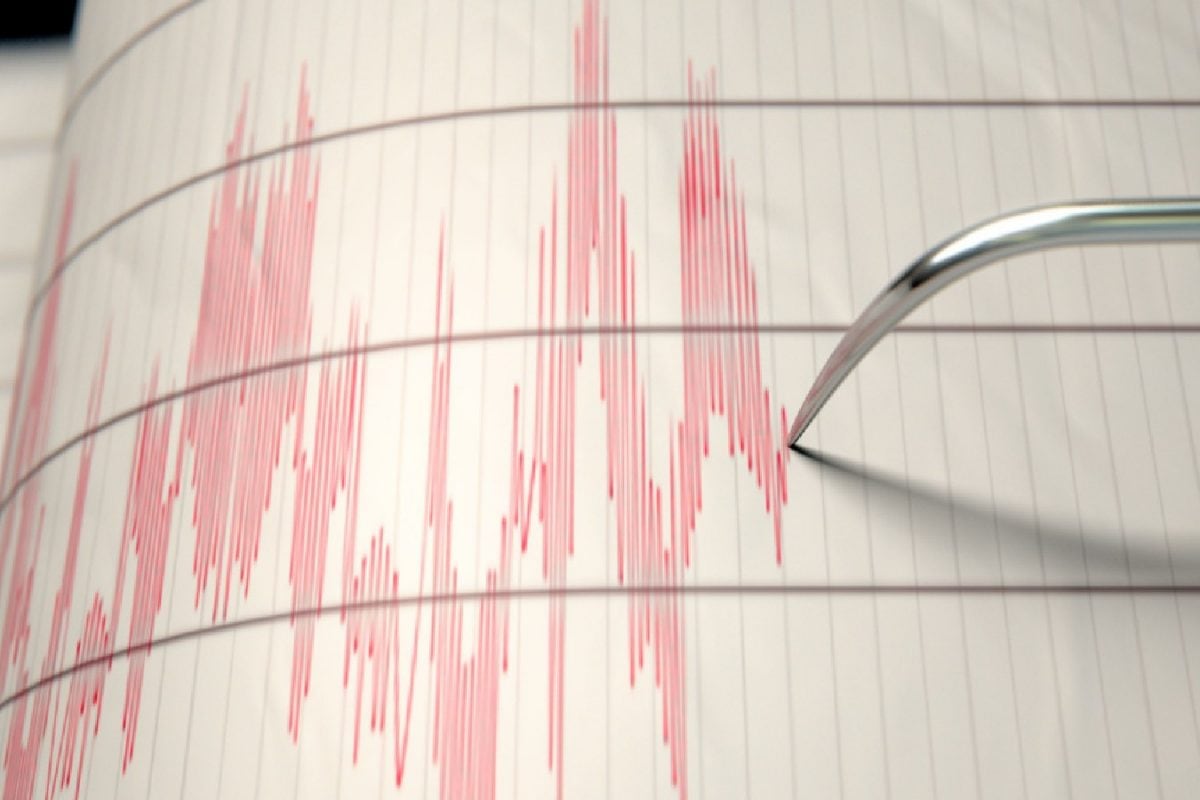
On Friday morning, an earthquake of magnitude 5.9 struck the region of Jammu and Kashmir, sending tremors that were felt as far as the Delhi-NCR area. The seismic activity caused brief panic and disruption in several parts of the region, with residents reporting ground shaking and minor structural damage in some areas.
The earthquake struck at approximately 06:30 local time, with its epicenter located near the Line of Control (LoC), the de facto border between India and Pakistan. Initial reports indicated that the tremor was not associated with any significant aftershocks, and authorities have not yet reported any casualties or major damage. However, the situation is still being monitored closely, with officials urging residents to remain cautious and report any issues to local authorities.
Residents in the affected areas described the tremor as sudden and unexpected, with some reporting that they initially thought it was a passing vehicle or a loud noise. Many people were still in their homes or on their way to work when the earthquake struck, leading to a sense of panic and confusion. In some cases, people rushed out of their homes, fearing that their buildings might collapse.
In the Jammu and Kashmir region, the earthquake was felt most strongly in the districts of Baramulla, Budgam, and Anantnag, where residents reported that the ground shook for about 10-20 seconds. In these areas, minor structural damage was reported in some buildings, with cracks appearing in walls and ceilings. However, officials have assured that no major infrastructure, such as bridges or roads, was affected.
The tremors were also felt in the Delhi-NCR area, with residents in cities like Delhi, Gurgaon, and Noida reporting that the ground shook for a few seconds. While there were no reports of significant damage in these areas, some people experienced a sense of unease and called their loved ones to check if they were safe.
Authorities in both Jammu and Kashmir and Delhi-NCR have been working to assess the situation and provide updates to the public. The Indian Meteorological Department (IMD) has stated that the earthquake was of tectonic origin and not related to any human activities. They have also emphasized the importance of building earthquake-resistant structures in the region to minimize the impact of future seismic activities.
The earthquake has once again highlighted the vulnerability of the Jammu and Kashmir region to seismic activities. The region is located in an area of high seismic risk, with the Indian Plate colliding with the Eurasian Plate. This has resulted in a history of earthquakes in the region, with some of them causing significant damage and loss of life.
In the aftermath of the earthquake, authorities have called for calm and urged residents to stay informed about the situation. They have also reminded people to follow basic safety measures, such as staying away from damaged buildings and not using elevators in case of structural instability.
The earthquake has also prompted a discussion about the preparedness of the region for natural disasters. While there have been efforts to improve infrastructure and emergency response systems, there is still room for improvement. The recent tremor serves as a reminder that the region must continue to invest in disaster management and public awareness initiatives to ensure that people are better equipped to deal with such events in the future.
In conclusion, the magnitude 5.9 earthquake that struck Jammu and Kashmir on Friday, with tremors felt as far as Delhi-NCR, has caused brief panic and minor structural damage in the affected areas. While there have been no reports of casualties or major infrastructure damage, the situation is still being closely monitored by authorities. The earthquake has once again underscored the need for continued efforts in disaster management and preparedness in the region, which is prone to seismic activities due to its geological location.