
Early Release of EuroBlight Blight Monitoring Results for the 2025 Potato Crop
EuroBlight’s first 2025 potato season results show Europe’s late blight population remains dominated by the aggressive EU36 genotype, while EU43 and EU46 strains continue shifting regionally. More than 1,200 samples were genotyped, revealing rising diversity in northern and eastern Europe. Adjusted fungicide strategies have helped suppress resistant strains, but late blight still causes major economic losses across Europe and worldwide. The post Early Release of EuroBlight Blight Monitoring Results for the 2025 Potato Crop appeared first on Seed World .
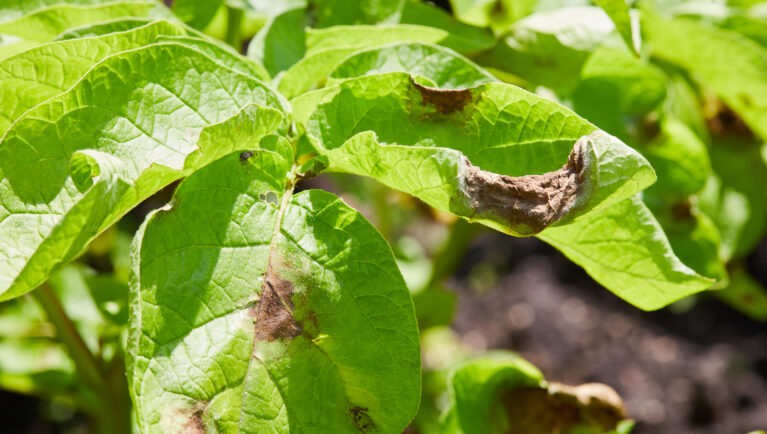
The EuroBlight monitoring network, which tracks and responds to the challenges posed by early and late blight in Europe and beyond, has released its first results from the 2025 potato season. This early update comes as growers remain concerned about the spread and impact of newer late blight strains, particularly the EU43 and EU46 clonal lineages of Phytophthora infestans. The EuroBlight team, which includes scientists from The James Hutton Institute, has analyzed more than 1,200 samples submitted by sponsors across Europe.
Dr. David Cooke, a key figure in the EuroBlight project, noted that warm and dry weather across many potato-growing regions last year, especially from March to July, reduced blight pressure for much of the season. Despite these favorable conditions, the P. infestans population in Europe remained dominated by the EU36 genotype, which accounted for around one third of the samples. This genotype continues to be prevalent in western and central Europe.
The decline in EU43 has stabilized, with its overall frequency rising slightly. However, the strain has shown a strong increase in France and was also detected for the first time in Switzerland and Latvia. EU46, another resistant strain, increased from 4% to 7% of the samples and spread to more countries, including England, Norway, Sweden, Latvia, and France. In contrast to the more stable presence of EU36 and EU43, EU46 has demonstrated a notable regional expansion.
Interestingly, northern and eastern Europe has seen a rise in genetic diversity, with more genetically diverse “other” types becoming more common in these regions. This diversity could be a result of changing agricultural practices, climate conditions, or the movement of infected plant materials.
The relatively new clones, EU43 and EU46, with reported resistance to some active fungicide ingredients, have been broadly suppressed through modified approaches to fungicide use. These strategies involve more mixing and alternation of the Fungicide Resistance Action Group (FRAC) active ingredient groups. More information on EU43 and EU46 and fungicide resistance can be found in a recent paper titled, “New Mechanisms of Resistance to CAA and OSBPI Fungicides in Phytophthora infestans.”
While these adjusted fungicide strategies have helped suppress resistant strains, late blight still causes major economic losses across Europe and worldwide. The EuroBlight team emphasizes the importance of continued monitoring and collaboration among growers, scientists, and policymakers to effectively manage and mitigate the impacts of blight on potato crops.
In conclusion, the early release of EuroBlight’s blight monitoring results for the 2025 potato crop highlights the ongoing challenges posed by late blight in Europe. The dominance of the EU36 genotype, the stabilization of EU43, and the regional expansion of EU46 underscore the need for adaptive and innovative strategies to combat this destructive pathogen. As climate change and agricultural practices continue to evolve, the role of monitoring networks like EuroBlight becomes even more critical in safeguarding potato production and ensuring food security in Europe and beyond.









