EAM Jaishankar hold talks with counterparts from Qatar, UAE & Iran as India reiterates for de-escalation & dialogue
New Delhi: External Affairs Minister Dr. S. Jaishankar on April 5, Sunday held separate high-level conversations with leaders from the UAE and Qatar to discuss the rapidly evolving contentious situation in West Asia amid the regional conflict. In a post on the X social media platform, EAM Jaishankar stated that he spoke with the Deputy Prime Minister and Foreign Minister of the UAE, Abdullah bin Zayed Al Nahyan, reviewing ongoing developments in the region. “Discussed the evolving situation in West Asia with DPM & FM Abdullah bin Zayed Al Nahyan of UAE”, he wrote. Discussed the evolving situation in West Asia with DPM & FM @ABZayed of UAE. — Dr. S. Jaishankar (@DrSJaishankar) April 5, 2026 In a separate post, the External Affairs Minister said he also held a telephonic conversation with the Prime Minister and Foreign Minister of Qatar, Tamim bin Hamad Al Thani, regarding the ongoing conflict. “Had a telecon on the ongoing conflict with PM & FM Tamim bin Hamad Al Thani of Qatar this evening”, EAM Jaishankar stated. The back-to-back diplomatic engagements come amid heightened tensions in West Asia, with India closely monitoring the situation and maintaining regular contact with key regional stakeholders. India has consistently emphasised the need for dialogue, de-escalation and the peaceful resolution of conflicts in the region. Had a telecon on the ongoing conflict with PM & FM @MBA_AlThani_ of Qatar this evening. — Dr. S. Jaishankar (@DrSJaishankar) April 5, 2026 EAM Jaishankar receives call from Iranian Foreign Minister Araghchi In a
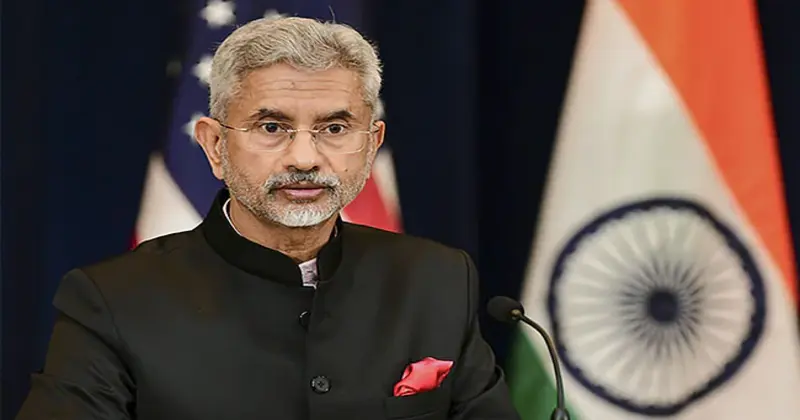
On Sunday, April 5, 2026, India's External Affairs Minister Dr. S. Jaishankar engaged in high-level discussions with leaders from the United Arab Emirates (UAE), Qatar, and Iran, as the country reiterated its commitment to de-escalation and dialogue amid heightened tensions in West Asia. The diplomatic engagements came as India closely monitored the rapidly evolving situation in the region and maintained regular contact with key stakeholders.
Dr. Jaishankar began his day with a conversation with the Deputy Prime Minister and Foreign Minister of the UAE, Abdullah bin Zayed Al Nahyan. The discussion focused on reviewing ongoing developments in West Asia, where tensions had been escalating. In a post on the X social media platform, Dr. Jaishankar mentioned, "Discussed the evolving situation in West Asia with DPM & FM Abdullah bin Zayed Al Nahyan of UAE." This engagement highlighted India's proactive approach to addressing the complexities of the regional conflict and underscored the importance of collaboration among key players.
Following the UAE discussion, Dr. Jaishankar held a telephonic conversation with the Prime Minister and Foreign Minister of Qatar, Tamim bin Hamad Al Thani. The two leaders discussed the ongoing conflict in the region, with Dr. Jaishankar stating, "Had a telecon on the ongoing conflict with PM & FM Tamim bin Hamad Al Thani of Qatar this evening." This back-to-back series of diplomatic engagements demonstrated India's unwavering commitment to fostering dialogue and promoting peace in West Asia.
In a continued effort to engage with regional counterparts, Dr. Jaishankar also received a phone call from his Iranian counterpart, Seyed Abbas Araghchi. The conversation covered bilateral relations and the tensions in West Asia. Dr. Jaishankar shared on the X platform, "Received a call from Iranian Foreign Minister Seyed Abbas Araghchi." This call further emphasized India's consistent diplomatic outreach to the West Asian nations, aiming to de-escalate tensions and promote peaceful resolutions.
India's consistent emphasis on dialogue, de-escalation, and peaceful resolution of conflicts in the region has been a cornerstone of its foreign policy. By engaging in these high-level conversations, Dr. Jaishankar reiterated India's role as a key player in promoting stability and cooperation among the nations of West Asia. The diplomatic engagements also highlighted the importance of multilateral cooperation in addressing the complex challenges faced by the region.
As the situation in West Asia continues to evolve, India's proactive diplomatic efforts serve as a reminder of the potential for peaceful resolutions through dialogue and collaboration. The recent engagements with the UAE, Qatar, and Iran underscore the importance of maintaining open channels of communication and working together to de-escalate tensions and promote stability in the region.