Dynamic translocation of Inside-Out proteins to the cell surface underlies cellular adaptation to cancer-induced stress
Proceedings of the National Academy of Sciences, Volume 123, Issue 13, March 2026. SignificanceThis study describes “Inside-Out” (I-O) proteins, a class of intracellular proteins that translocate to the cell surface under stress or disease conditions through a mechanism distinct from conventional secretion pathways. I-O proteins are ...
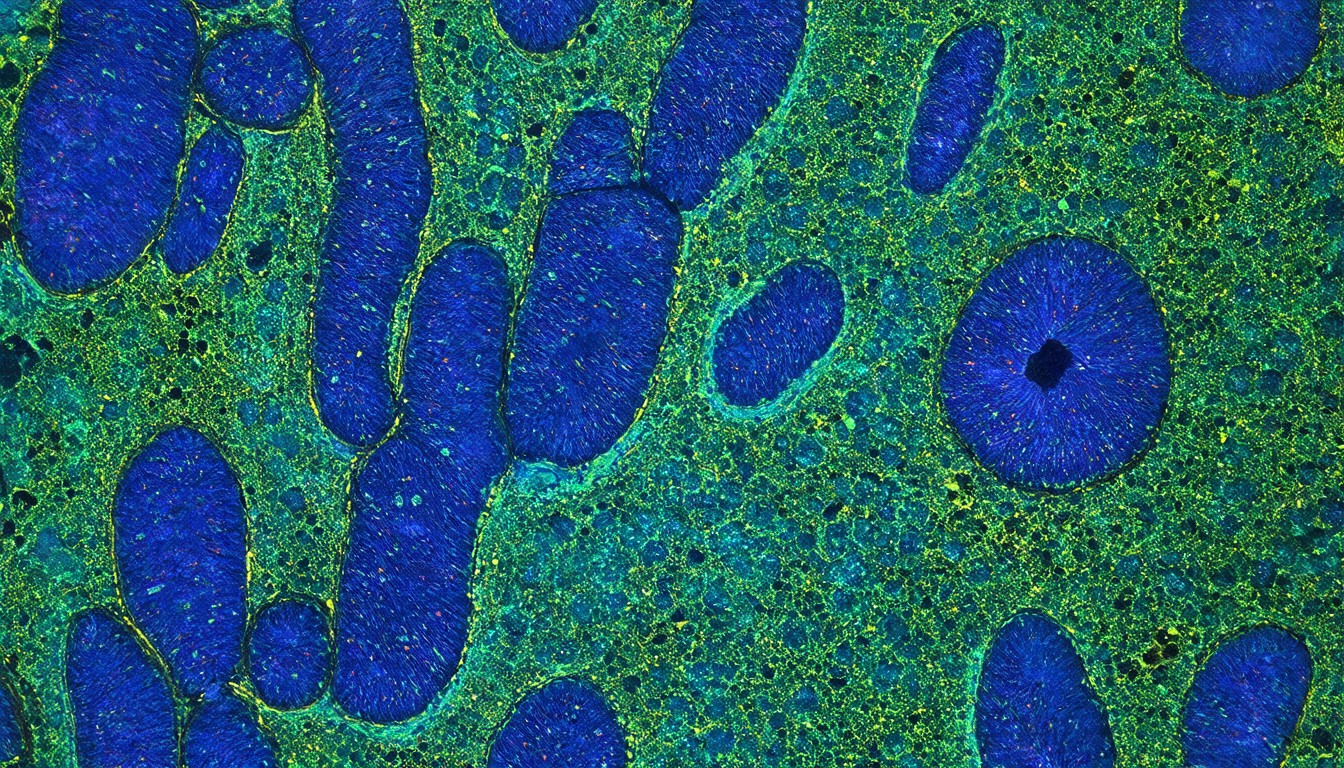
In a groundbreaking study published in the Proceedings of the National Academy of Sciences, researchers have unveiled a novel mechanism by which cells adapt to stress and disease conditions. The discovery centers on a class of intracellular proteins dubbed "Inside-Out" (I-O) proteins, which translocate to the cell surface under stress or disease conditions through a unique pathway distinct from conventional secretion pathways. This dynamic process, which has been meticulously documented in the journal, offers new insights into how cells respond to cancer-induced stress and could pave the way for innovative therapeutic strategies.
The significance of this research lies in its ability to explain how cells maintain homeostasis in the face of adversity. Traditionally, it was believed that proteins destined for the cell surface are synthesized and trafficked through well-defined secretion pathways. However, the I-O proteins challenge this notion by demonstrating that cells can rapidly deploy intracellular proteins to the surface in response to stress, such as that caused by cancer. This translocation mechanism is not only rapid but also highly selective, allowing cells to modulate their surface protein composition in real-time to counteract the effects of disease.
The study highlights the role of I-O proteins in mediating cellular responses to cancer. Cancer cells often induce a hostile microenvironment that triggers a range of stress signals, such as hypoxia, nutrient deprivation, and oncogenic signaling. In response to these stressors, cancer cells and their surrounding microenvironment undergo significant changes in protein expression and function. The dynamic translocation of I-O proteins to the cell surface appears to be a key adaptive mechanism that enables cells to survive and proliferate under these challenging conditions.
One of the intriguing aspects of the I-O protein translocation mechanism is its distinctiveness from conventional secretion pathways. Unlike traditional secretion, which involves the formation of vesicles and trafficking through the endoplasmic reticulum and Golgi apparatus, I-O proteins are directly targeted to the cell surface. This bypasses the need for extensive protein processing and packaging, allowing for a rapid and efficient response to stress. The researchers propose that this mechanism is regulated by specific molecular signals that trigger the translocation, ensuring that the right proteins are deployed at the right time.
The identification of I-O proteins and their translocation mechanism has profound implications for our understanding of cancer biology. By modulating the cell surface protein composition, I-O proteins can influence various cellular processes, including cell adhesion, migration, and signaling. This, in turn, can impact cancer progression, metastasis, and treatment response. For instance, certain I-O proteins may facilitate tumor cell invasion and metastasis by enhancing cell adhesion and migration, while others may promote angiogenesis by modulating vascular cell behavior.
This study also opens avenues for therapeutic intervention. By targeting the I-O protein translocation mechanism, researchers may be able to disrupt cancer cell adaptability and enhance the efficacy of existing treatments. For example, inhibiting the molecular signals that trigger I-O protein translocation could prevent the deployment of pro-tumorigenic proteins, thereby limiting cancer cell survival and proliferation. Additionally, understanding the role of I-O proteins in the tumor microenvironment could lead to the development of novel therapies that exploit their function to promote tumor regression.
In conclusion, the discovery of Inside-Out proteins and their dynamic translocation mechanism to the cell surface provides a novel framework for understanding cellular adaptation to cancer-induced stress. This groundbreaking research not only challenges existing paradigms about protein trafficking but also offers valuable insights into cancer biology and potential therapeutic strategies. As further studies elucidate the molecular details of this process, it is likely to become a focal point of research in the field of oncology, ultimately contributing to the development of more effective treatments for cancer patients.