Home EducationDust, Sun And Rain All In A Day: What's Causing De...
EducationтнР Featured

Dust, Sun And Rain All In A Day: What's Causing Delhi's Wild Weather?

The short answer: A weather system from the west is stirring things up
5 April 2026 at 11:24 pm
1 views
Dust, Sun And Rain All In A Day: What's Causing Delhi's Wild Weather?

Dust, Sun, and Rain All in a Day: What's Causing Delhi's Wild Weather?

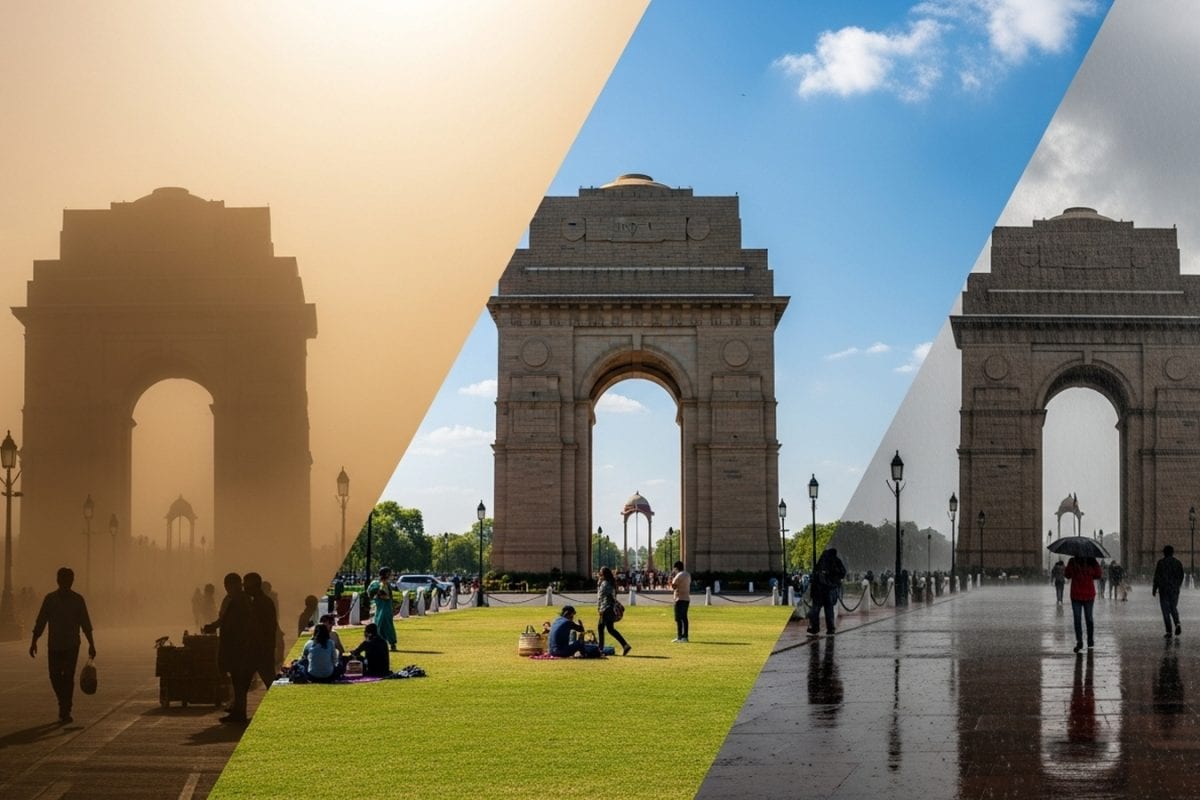
Delhi, the bustling capital of India, has recently experienced a dramatic shift in its weather patterns, with dust storms, intense sunshine, and heavy rainfall occurring within the same day. Residents and officials alike are left puzzled by this sudden meteorological chaos. While the short answer might seem to point towards a weather system from the west, delving deeper into the complexities of Delhi's climate reveals a more intricate tapestry of factors at play.

The city, known for its extreme heat and humidity, has long been a battleground of atmospheric forces. The Himalayas, located just 300 kilometers to the north, act as a natural barrier, influencing Delhi's weather in profound ways. During summer, the city often experiences scorching temperatures, with the sun beating down relentlessly. However, the presence of the Himalayas also means that Delhi is prone to sudden and unpredictable weather changes.

The weather system from the west, often referred to as the "westerlies," plays a significant role in this unpredictability. These winds, originating from the Atlantic Ocean, travel across Europe and the Middle East before reaching the Indian subcontinent. When these westerlies collide with the moist monsoon winds from the Bay of Bengal, they create a dynamic interaction that can lead to extreme weather conditions.

In recent weeks, Delhi has witnessed a particularly active westerly system. This system, characterized by cooler temperatures and dry air, has been responsible for the dust storms that have plagued the city. The dust, primarily originating from the arid regions of Rajasthan and Haryana, is carried by the wind, leading to air quality issues and disruptions in daily life.

However, the westerlies are not solely to blame for Delhi's erratic weather. The city's unique geographical location, nestled between the Thar Desert and the Himalayas, exacerbates the intensity of these weather systems. The desert to the west and the mountains to the north create a convergence zone, where different air masses collide, leading to rapid changes in weather conditions.

The sun's role in this weather chaos is also significant. Delhi's high altitude and proximity to the Himalayas mean that the city receives a higher amount of solar radiation compared to other parts of the country. This intense sunlight can lead to rapid heating of the ground, causing air to rise and create areas of low pressure. As a result, the city can experience sudden downpours, as the moist monsoon air rushes in to fill these low-pressure zones.

The heavy rainfall, while providing much-needed relief during the summer months, also poses challenges for the city's infrastructure. The unplanned urban expansion and inadequate drainage systems have led to frequent flooding, causing disruptions in transportation and power supply.

Moreover, the rapid transition from dust storms to rainfall can have significant environmental impacts. The dust storms, apart from affecting air quality, can also lead to soil erosion and degradation of agricultural lands in the surrounding regions. The heavy rains, on the other hand, can cause landslides and floods in the Himalayan regions, threatening the livelihoods of local communities.

As Delhi grapples with these wild weather patterns, scientists and meteorologists are working to understand the underlying causes and predict future changes. Satellite data and advanced weather modeling are being used to study the interactions between the westerlies, monsoon winds, and the city's unique geography.

Urban planners are also taking note of the challenges posed by Delhi's erratic weather. There is a growing emphasis on creating sustainable infrastructure that can withstand the city's unpredictable climate. Green roofs, permeable pavements, and rainwater harvesting systems are being implemented to manage the impacts of heavy rainfall and improve the city's resilience against dust storms.

In conclusion, Delhi's wild weather is a complex interplay of natural forces, including the westerlies, monsoon winds, and the city's unique geographical location. While the short answer might seem to point towards a single weather system, the reality is far more intricate. Understanding these dynamics is crucial for both mitigating the immediate impacts on residents and preparing for the challenges that lie ahead in a changing climate. As Delhi continues to navigate this meteorological maelstrom, the city's resilience and adaptability will be tested like never before.

ЁЯУ░ Related News
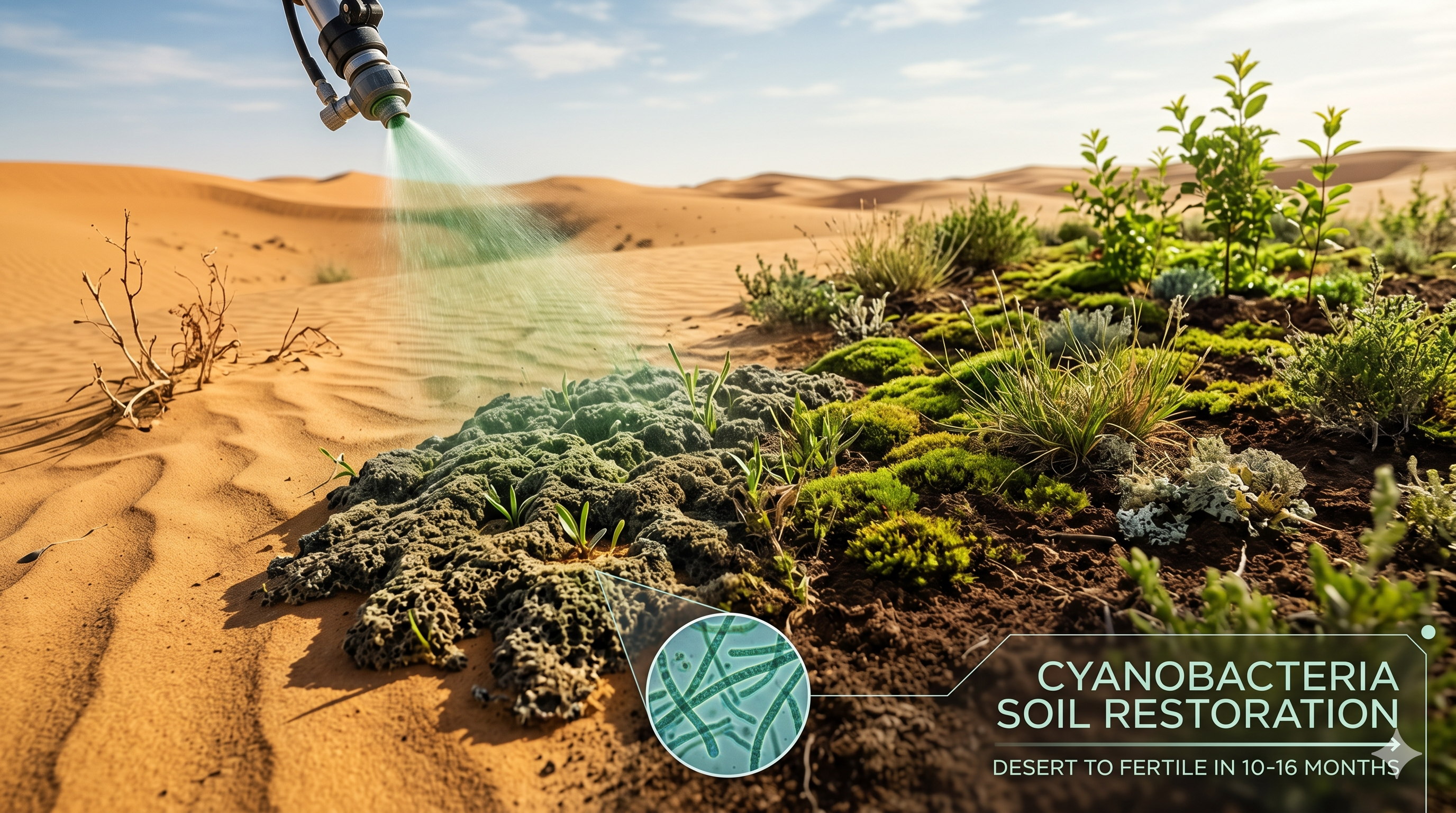
China is using a bacteria to turn desert into fertile soil in just 10 months
In a major breakthrough against desertification, researchers at Shapotou Desert Experimental Research Station have developed a technique that can transform barren desert sand into fertile, plant-supporting soil in just 10 months.
28 May
Rising costs тАШcripplingтАЩ most farming sectors in NI тАУ FFA
The steering committee of Farmers For Action (FFA) has said that rising fuel, fertiliser, and other costs are now тАЬcripplingтАЭ most farming sectors in Northern Ireland. The organisation also said that тАЬabysmal” farm gate prices are тАЬbreaking the camelтАЩs backтАЭ. The FFA said the Department of Agriculture, Environment and Rural Affairs (DAERA) is “making things […] The post Rising costs тАШcripplingтАЩ most farming sectors in NI – FFA appeared first on Agriland.ie .
7 Apr
Weather: Strong winds over the weekend and staying unsettled
The weather this Easter weekend will see strong winds as Storm Dave hits Ireland, and it is set to remain unsettled after that into next week, according to Met ├Йireann. A Status Yellow warning has been issued for the whole country. This warning will come into effect at 2:00p.m tomorrow afternoon (Saturday, April 4) and […] The post Weather: Strong winds over the weekend and staying unsettled appeared first on Agriland.ie .
7 Apr
Announcing the AWS Sustainability console: Programmatic access, configurable CSV reports, and Scope 1тАУ3 reporting in one place
AWS announces the Sustainability console, a new standalone service that consolidates carbon emissions reporting and resources, giving sustainability teams independent access to Scope 1, 2, and 3 emissions data without requiring billing permissions.
7 Apr
Spring grazing: Risk of negative energy balance
Unsettled weather means spring grazing is still quite messy, but its important to push on as the risk of negative energy balances (NEB) rise. NEB is often an issue at this stage, as much of the herd begins to reach their peak milk production but have not yet reached their maximum dry matter intake (DMI). […] The post Spring grazing: Risk of negative energy balance appeared first on Agriland.ie .
7 Apr
Raising the bar: Celebrating the best of West CorkтАЩs dairy farming
At a time when dairy farming is under intense scrutiny, itтАЩs easy to lose sight of what is actually happening on farms across west Co. Cork. Behind the headlines and debates, thousands of family farmers are quietly producing some of the highest-quality, lowest-carbon milk in Europe – while continuing to protect their land, their animals […] The post Raising the bar: Celebrating the best of West CorkтАЩs dairy farming appeared first on Agriland.ie .
7 Apr
How has the wet spring affected feed costs?
We are now in April and yet a good number of herds have very little of the platform grazed, while others still have not seen any grass in 2026 due to the weather. To make matters worse, Met ├Йireann is still predicting two to three times more than the average rainfall for the week ahead. […] The post How has the wet spring affected feed costs? appeared first on Agriland.ie .
7 Apr
Most Irish dairy cows moved to sheds in March тАУ survey
The majority of Irish dairy farmers have returned their cattle to sheds in some form due to the wet weather experienced recently, a new survey has found. This is based on the latest Calving Insights Survey conducted by FRS Co-Op for the month of March. The survey found that, despite some spells of dry weather […] The post Most Irish dairy cows moved to sheds in March тАУ survey appeared first on Agriland.ie .
7 Apr
Opinion: Easter has always been a true celebration of Irish sheep production
Easter has always been synonymous with all that is good about Irish sheep production. And long may this continue to be the case. Spring-born lambs gambolling in fields always epitomise the ending of winter and the promise of better weather to come. ItтАЩs just a pity that the spring of 2026 has not lived up […] The post Opinion: Easter has always been a true celebration of Irish sheep production appeared first on Agriland.ie .
7 Apr
The basics of irrigation during hot weather
Hot, dry conditions test even the best irrigation strategies. Christo van der Westhuizen, agronomist at Netafim Southern and East Africa, explained to Glenneis Kriel how farmers can manage water efficiently to protect crops during hot days.
7 Apr