Dust Storm Hits Delhi-NCR, IMD Predicts Rain And Thunderstorms For Today | Check Forecast
Delhi-NCR witnessed a dust storm on Friday morning. IMD has predicted thunderstorms, rain and strong winds. AQI hit 218 in "poor" category.
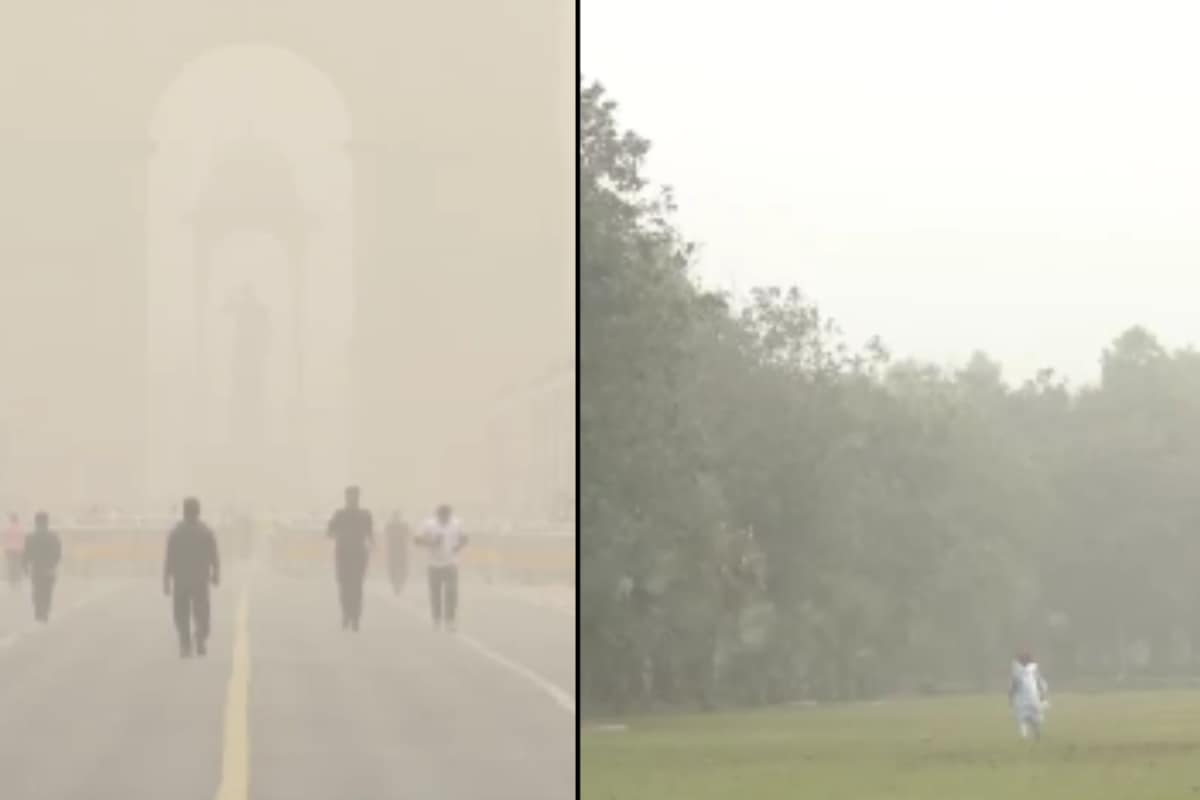
On Friday morning, the Delhi-NCR region was hit by a powerful dust storm that blanketed the city in a thick haze, causing significant disruptions to daily life and raising concerns about air quality. The storm, which swept through the area with gusts of wind reaching up to 40 kmph, left streets and buildings coated in a layer of fine dust, reducing visibility and making it difficult for residents to go about their usual routines.
The Indian Meteorological Department (IMD) had predicted a change in weather for the region, with the dust storm being a precursor to the arrival of monsoon rains. The IMD issued a weather bulletin stating that today, the Delhi-NCR area would experience thunderstorms, heavy rainfall, and strong winds. This shift in weather was welcomed by many, as it marked the beginning of the much-awaited monsoon season. However, the sudden onset of the dust storm caught many off guard, leading to a scramble for masks and respiratory protection to safeguard against the poor air quality.
The air quality index (AQI) in the region soared to an alarming 218, placing it in the "poor" category. This was a stark reminder of the challenges faced by Delhi and its suburbs in terms of air pollution, which has been a persistent issue for years. The AQI reading indicated that the concentration of pollutants in the air was high enough to cause health problems, particularly for vulnerable groups such as children, the elderly, and those with pre-existing respiratory conditions.
Residents of Delhi-NCR were advised to stay indoors as much as possible and to avoid strenuous activities to minimize their exposure to the dust and pollutants. Schools and offices in the affected areas were closed, and public transportation services were disrupted due to the reduced visibility. The dust storm also caused inconvenience for commuters, as many roads were blocked by fallen trees and debris, leading to traffic congestion and delays.
The dust storm was not only a natural phenomenon but also a stark reminder of the environmental challenges faced by the Delhi-NCR region. The area is prone to dust storms due to its geographical location and the prevalence of arid and semi-arid regions in the surrounding areas. These storms are often exacerbated by human activities such as deforestation, uncontrolled construction, and the burning of agricultural waste, which release large amounts of particulate matter into the atmosphere.
The IMD's prediction of thunderstorms, rain, and strong winds for the day was a welcome relief for many, as it promised to clear the air and alleviate some of the pressure on the region's already strained air quality. The heavy rainfall was expected to replenish groundwater levels and help in agriculture, while the strong winds would help disperse the dust particles suspended in the air.
However, the arrival of the monsoon also brought its own set of challenges. Flash floods, landslides, and localized heavy rainfall could cause disruptions to infrastructure and lead to power outages in certain areas. Residents were advised to stay informed about the weather updates and prepare themselves for any potential disruptions.
In the aftermath of the dust storm, the Delhi government and the IMD worked together to ensure that the public was adequately informed about the changing weather conditions and the precautions they should take. Public health departments distributed masks and provided medical advice to those suffering from respiratory issues. Efforts were also made to clear the roads and restore normalcy to the affected areas as quickly as possible.
The dust storm in Delhi-NCR served as a stark reminder of the region's vulnerability to both natural and human-induced environmental challenges. As the monsoon rains arrived, bringing much-needed relief, it also highlighted the need for sustainable development practices and a greater focus on air quality management to ensure the well-being of the millions of people living in the Delhi-NCR area. The IMD's accurate weather predictions and timely alerts played a crucial role in helping the region prepare for the impending changes in weather and the associated challenges.