
DR Congo agrees to take deportees from the US
The country will start receiving deportees from this month but has not said how many they will accept.
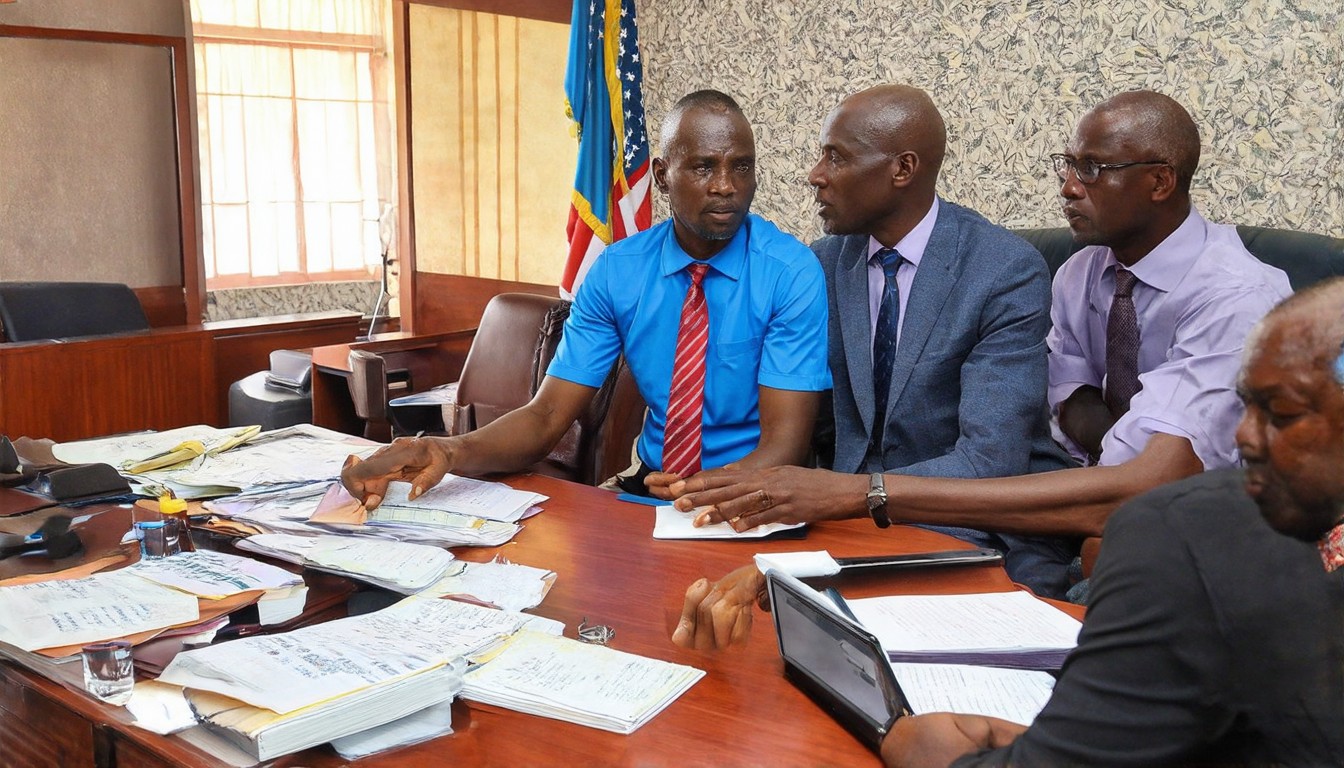
The Democratic Republic of Congo (DR Congo) has recently announced its agreement to accept deportees from the United States, marking a significant development in the global debate over migration and deportation policies. This decision comes as the country prepares to start receiving these individuals from this month, though the exact number of deportees it will accept remains unspecified.
The move by the DR Congo to accept deportees from the US is a response to a longstanding agreement between the two nations. The United States has historically relied on other countries to take in individuals who are deemed ineligible for asylum or other forms of refuge. The DR Congo's decision to participate in this program is particularly notable given the country's own challenges, including a history of conflict and a struggling economy.
The agreement between the US and the DR Congo follows a pattern of similar deals that have been in place for years. Countries like Nigeria, El Salvador, and Haiti have also been involved in such programs, with varying degrees of success. The US government has cited these agreements as a way to manage its immigration system more effectively, particularly in the context of a backlog of asylum seekers and deportees.
However, the DR Congo's decision to accept deportees has raised questions about the potential impact on its society. The country already faces significant challenges, including high unemployment rates and a fragile political landscape. The influx of deportees could put additional strain on its resources and infrastructure.
Despite these concerns, the DR Congo government has expressed its willingness to proceed with the agreement. Officials have stated that they are committed to ensuring a smooth process for both the deportees and the local communities. They have also emphasized the importance of upholding international obligations and fostering diplomatic relations with the US.
The US government has welcomed the DR Congo's decision, viewing it as a positive step in addressing the issue of deportees. Officials have noted that the agreement will help alleviate pressure on US immigration facilities and allow the country to focus on its core immigration policies.
As the DR Congo begins to receive deportees, it will be crucial to monitor the situation closely. The country's ability to integrate these individuals effectively will depend on a range of factors, including its capacity to provide necessary services and support. The success of this agreement will also have implications for similar deals between the US and other nations.
In the broader context of global migration, the DR Congo's decision to accept deportees highlights the complex interplay between national interests and international cooperation. It underscores the need for countries to work together to find sustainable solutions to migration challenges, while also addressing the specific needs and concerns of their own populations.
As the process gets underway, both the DR Congo and the US will need to ensure that the agreement is implemented in a way that respects the rights and well-being of all parties involved. This will require careful planning, ongoing communication, and a commitment to addressing any issues that may arise.
In conclusion, the DR Congo's agreement to accept deportees from the US marks a significant development in the global landscape of migration and deportation policies. While the exact details of the agreement remain unclear, it is clear that the DR Congo's decision will have both domestic and international implications. As the country begins this new chapter, it will be important to closely observe the outcomes and lessons that can be learned from this unique partnership.









