
Dozens Killed in Haiti Massacre as International Force Trickles In
Gangs tore through several rural communities last weekend, underscoring the challenges that will face the new, U.N.-backed Gang Suppression Force starting to enter the country.
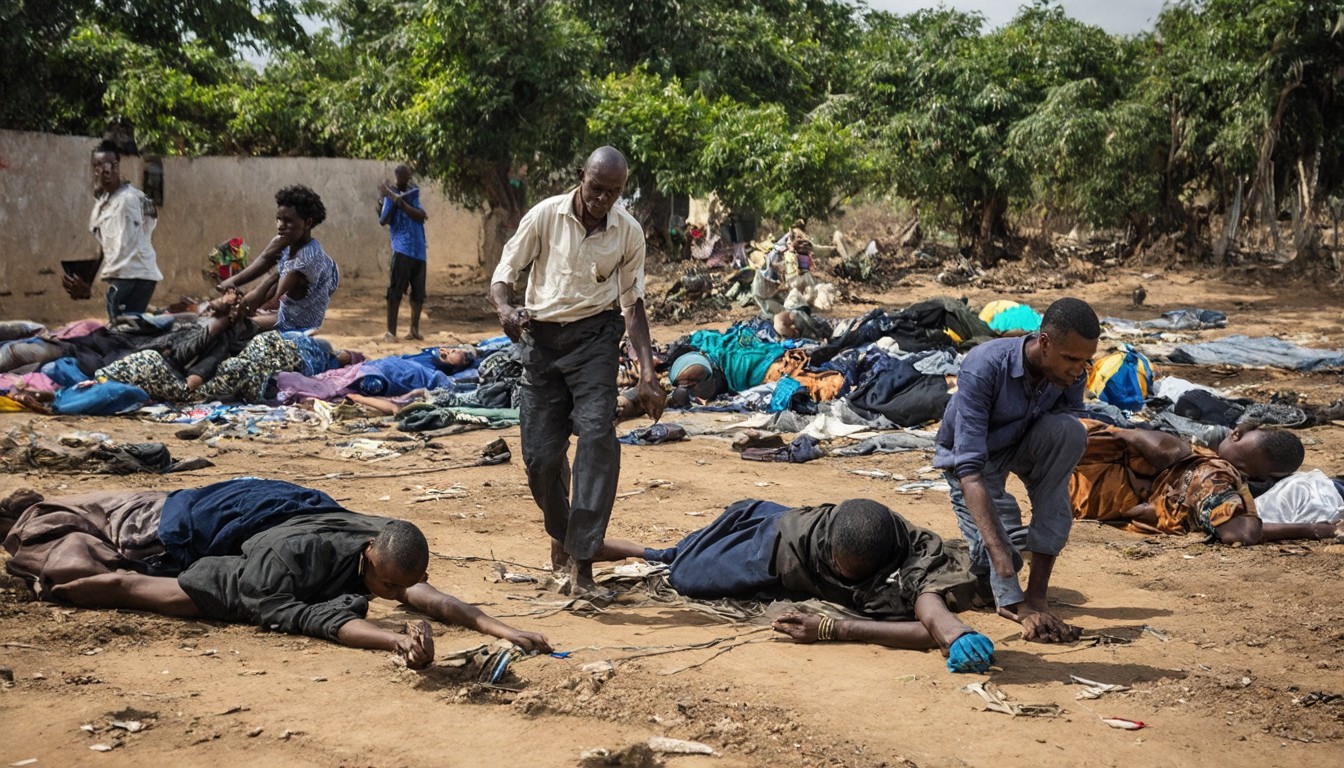
In a harrowing display of violence that underscores the ongoing instability in Haiti, dozens of people were killed in a massacre orchestrated by armed gangs in several rural communities last weekend. The brutality of the attacks highlights the significant challenges that the newly formed, U.N.-backed Gang Suppression Force will face as it begins to deploy within the country.
The violence erupted in the early hours of Saturday morning, with gang members reportedly storming through villages and indiscriminately firing their weapons. Local residents, many of whom had already endured years of unrest and insecurity, were left in shock and despair. The death toll is expected to rise as survivors are identified and counted.
The massacre comes at a critical juncture for Haiti, as the international community has been working to establish a new Gang Suppression Force under the auspices of the United Nations. This force, which is being deployed in an effort to combat the escalating violence and restore order, is expected to face formidable obstacles in its mission.
The U.N.-backed force, which is being supported by several countries, including the United States, is intended to work alongside Haiti's existing security forces to dismantle the criminal networks that have wreaked havoc on the island nation. However, the recent massacre serves as a stark reminder of the deep-rooted challenges that the force will encounter.
One of the primary challenges is the sheer scale of the problem. Haiti has long been plagued by gang violence, which has been exacerbated by poverty, political instability, and a lack of effective governance. The country's rural areas, where the massacre occurred, are particularly vulnerable to gang incursions, as they lack adequate security infrastructure and are often neglected by central authorities.
Another significant challenge is the lack of trust between the international force and Haitian citizens. Many locals are wary of foreign intervention, fearing that it may not address the root causes of the violence or could even inadvertently empower one gang over another. This skepticism could hinder the force's ability to gain local support and cooperation, which will be crucial for its success.
Moreover, the international force will need to navigate a complex political landscape. Haiti's government has been struggling to assert control over its territory, and the recent assassination of key political figures has further destabilized the nation. The force will need to work closely with Haitian authorities, but it must also be mindful of the potential for political manipulation and interference.
In the aftermath of the massacre, international leaders have called for urgent action to address the crisis. The U.N. has reaffirmed its commitment to supporting Haiti's efforts to combat gang violence, but it is unclear whether the new force will be able to make a significant impact in the short term.
Meanwhile, Haitian communities are left to grapple with the aftermath of the violence. Survivors are mourning their loved ones and are struggling to rebuild their lives in the shadow of ongoing insecurity. The international community must act swiftly and decisively to ensure that the sacrifices of these innocent victims are not in vain.
As the Gang Suppression Force begins its deployment, the world watches with bated breath, hoping that it can bring an end to the cycle of violence that has plagued Haiti for far too long. But the recent massacre serves as a stark reminder that the road to peace and stability will be fraught with challenges and obstacles. The international community must remain committed to supporting Haiti's efforts to rebuild and secure a brighter future for its people.








