Downtown L.A.'s cratering real estate market is changing — rich renters are buying their buildings
Companies are buying their buildings instead of renting them as office values bottom out around Los Angeles.
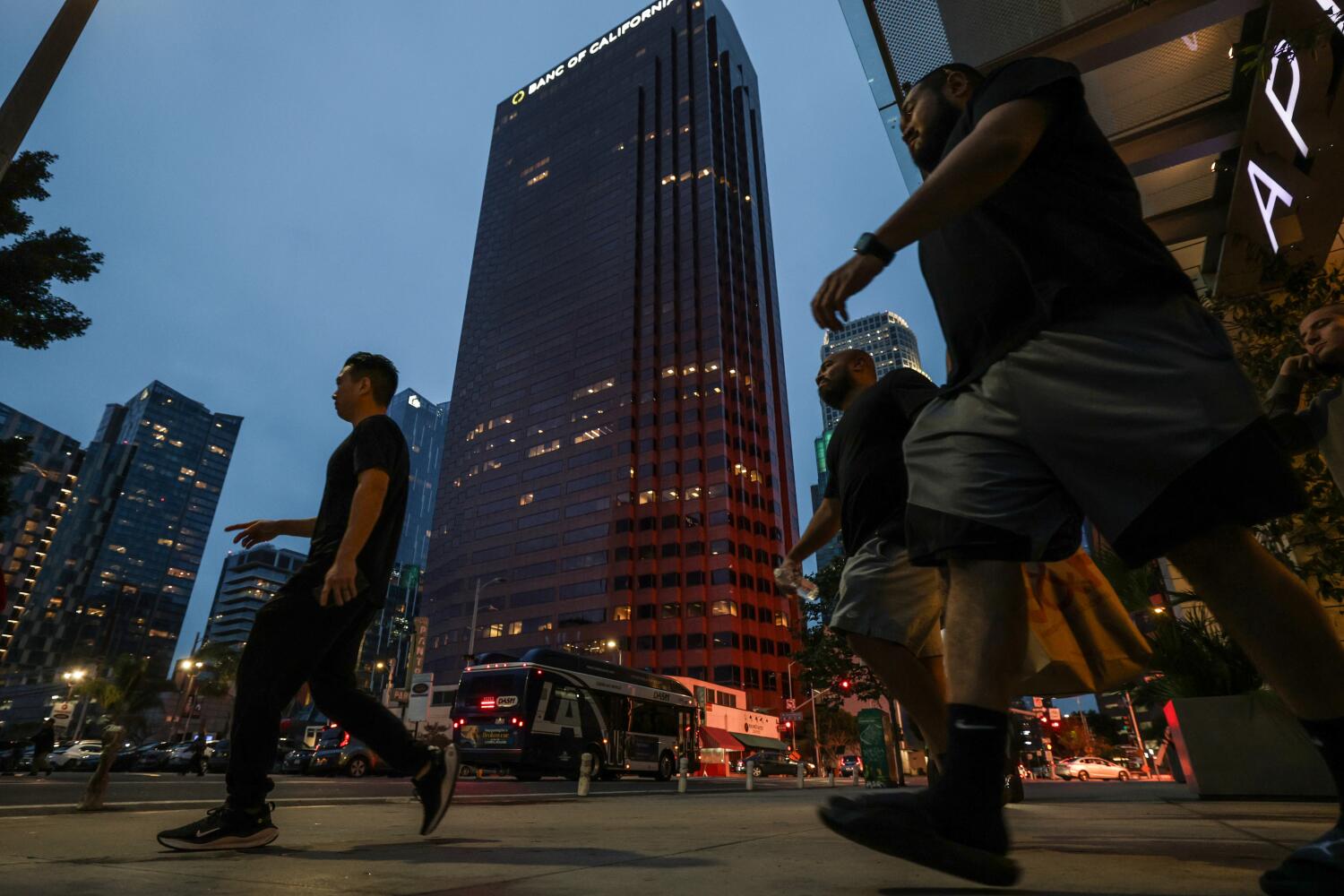
In recent years, the real estate market in downtown Los Angeles has experienced significant shifts, driven by a combination of economic factors, changing business dynamics, and the evolving preferences of corporate tenants. As office values have bottomed out in the region, a new trend has emerged: companies are increasingly turning to purchasing their office buildings rather than renting them. This shift is not only reshaping the local real estate landscape but also reflecting a broader trend in the commercial property market, where ownership is becoming a more attractive option for businesses seeking stability and control over their workspace.
The decline in office values in downtown Los Angeles can be attributed to several interconnected factors. First and foremost, the COVID-19 pandemic has had a profound impact on the city's real estate market, leading to a surge in vacancies and a reevaluation of office space needs. Many companies have adopted hybrid or remote work models, reducing their demand for traditional office space. This shift has left many buildings underutilized, driving down rents and property values.
Additionally, the region has been grappling with economic challenges, including a slow recovery from the pandemic and rising costs of living in the area. These factors have made it difficult for many businesses to justify the high costs associated with renting office space in a competitive market. In contrast, purchasing a building offers a sense of security and long-term stability, allowing companies to avoid the uncertainties of fluctuating rents and market conditions.
The decision for companies to buy rather than rent their buildings is also influenced by tax benefits and the potential for long-term savings. Owning a property can provide significant tax deductions, which can offset the initial investment and contribute to a more sustainable financial model for businesses. Furthermore, owning a building allows companies to make necessary renovations and improvements without relying on the whims of landlords, enhancing the overall value and appeal of the property.
This trend is not limited to individual companies; it has also attracted the attention of real estate investors and institutional buyers. As office values continue to decline, these buyers see an opportunity to acquire properties at discounted prices, potentially turning them around or holding them for future appreciation. This influx of investment capital is helping to stabilize the market and provide much-needed liquidity to struggling property owners.
The shift towards ownership is also having an impact on the local real estate market. As more buildings change hands, there is a growing demand for professional property management services. This has created new opportunities for companies specializing in commercial property management, who are tasked with overseeing the day-to-day operations of these buildings and ensuring they meet the evolving needs of their tenants.
Despite the challenges faced by the downtown Los Angeles real estate market, this trend towards ownership is offering a glimmer of hope for the region's economic recovery. By purchasing their buildings, companies are not only investing in the long-term viability of their operations but also contributing to the revitalization of the area. As more businesses commit to owning their properties, there is potential for increased investment in infrastructure, improved amenities, and a more vibrant business ecosystem.
In conclusion, the downturn in downtown Los Angeles' real estate market has spurred a significant shift in the way companies approach their office space. With office values at an all-time low, the decision to buy rather than rent has become increasingly attractive, driven by tax benefits, long-term savings, and a desire for stability and control. This trend is not only reshaping the local real estate landscape but also reflecting a broader transformation in the commercial property market. As more businesses turn to ownership, there is potential for renewed growth and investment in the area, paving the way for a brighter future for downtown Los Angeles.