Donald Trump picks the wrong trade fight with China
America will lose an economic-pain war
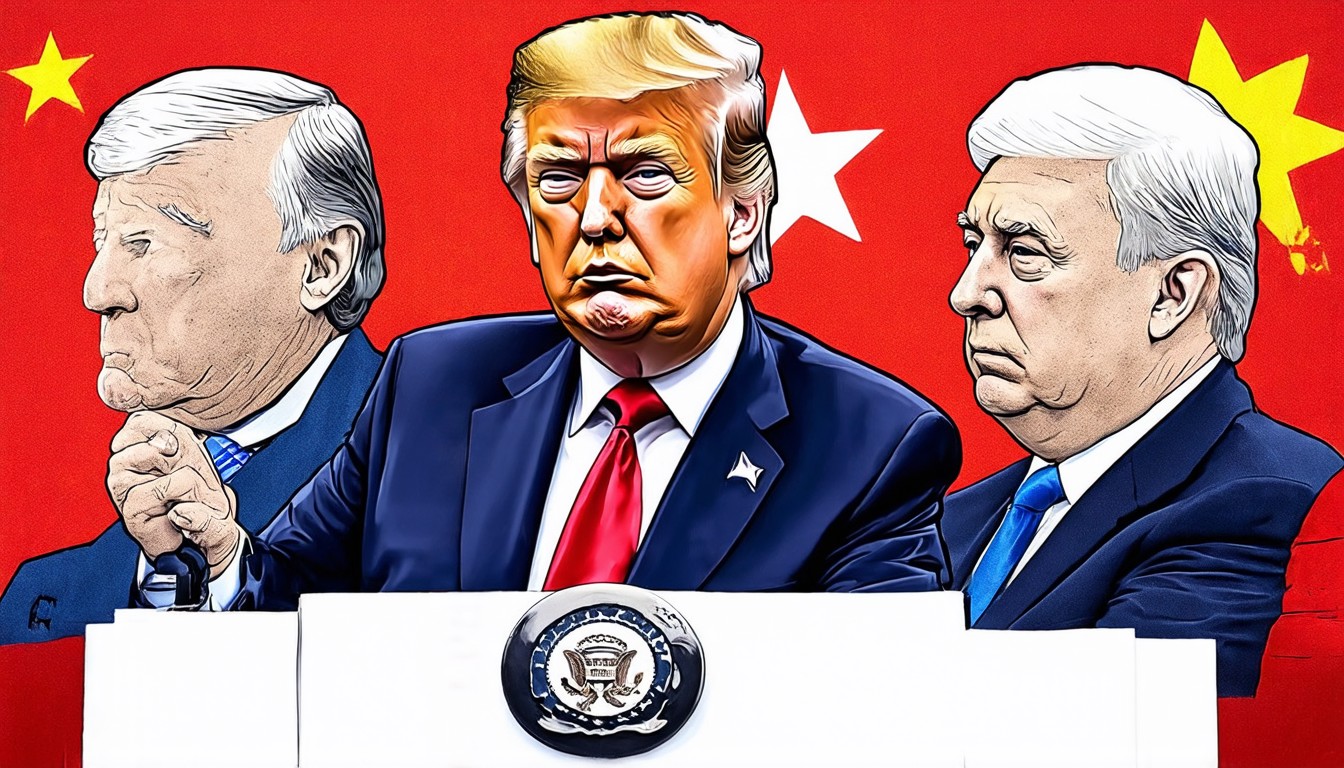
Donald Trump's decision to escalate the trade war with China has sparked widespread concern among economists and business leaders, who argue that the United States will ultimately suffer more than its Asian counterpart. The trade conflict, which began in 2018 with the imposition of tariffs on Chinese goods, has intensified in recent months, with both nations imposing retaliatory measures that have disrupted global supply chains and caused significant economic uncertainty.
The Trump administration's strategy, centered around the belief that China is a trade deficit enabler, has been met with skepticism. Critics argue that the tariffs have led to higher prices for American consumers, reduced economic growth, and job losses in industries reliant on imports. While some sectors, such as agriculture and manufacturing, have benefited from the tariffs, the overall impact on the U.S. economy has been negative.
China, on the other hand, has been more adept at navigating the trade war. The Chinese government has implemented stimulus measures, such as tax cuts and increased government spending, to support its economy. Additionally, China has diversified its trade relationships, expanding its trade with countries like India and Brazil, which has helped mitigate the impact of the U.S. tariffs.
The trade war has also had ripple effects on the global economy. Many multinational corporations have been forced to reevaluate their supply chains, leading to increased costs and reduced efficiency. This has resulted in higher prices for consumers worldwide, as companies pass on the additional expenses. Furthermore, the uncertainty surrounding the trade relationship has deterred foreign investment, particularly in the United States, as companies hesitate to commit to long-term projects in an unstable economic environment.
Economists have warned that the trade war is not just an economic issue but also a geopolitical one. By choosing to engage in a protracted trade conflict, the United States risks damaging its relationships with allies and weakening its position in the global arena. This could have far-reaching consequences, as other nations may be less inclined to support U.S. interests in areas such as climate change, cybersecurity, and international security.
In contrast, China has emerged as a more strategic player in the trade war. The Chinese government has leveraged its economic influence to build alliances with countries in Africa, Asia, and Latin America, positioning itself as an alternative to the U.S.-led economic order. This has led to concerns that the United States may be losing its status as the world's leading economic power.
The Biden administration, which took office in January 2021, has taken steps to de-escalate the trade war, engaging in diplomatic talks with China and reaffirming commitments to multilateral trade agreements. However, the long-term effects of the trade war remain uncertain, as both nations continue to grapple with the economic and geopolitical implications of their contentious relationship.
In conclusion, the trade war between the United States and China has proven to be a costly endeavor, with the U.S. economy bearing the brunt of the economic pain. While the Trump administration's strategy was rooted in the belief that China was exploiting the trade relationship, the reality has been that the United States has suffered more than its counterpart. The geopolitical ramifications of the trade war are also significant, as the United States risks losing its global influence and alienating key allies. As both nations grapple with the aftermath of the trade conflict, it remains to be seen whether they can find a path forward that benefits both economies and global stability.