
DNA robots could deliver drugs and hunt viruses inside your body
DNA robots are emerging as tiny programmable machines that could one day deliver drugs, hunt viruses, and build molecular-scale devices. By borrowing ideas from traditional robotics and combining them with DNA folding techniques, scientists are creating structures that can move and act with precision. These robots can be guided using chemical reactions or external signals like light and magnetic fields.
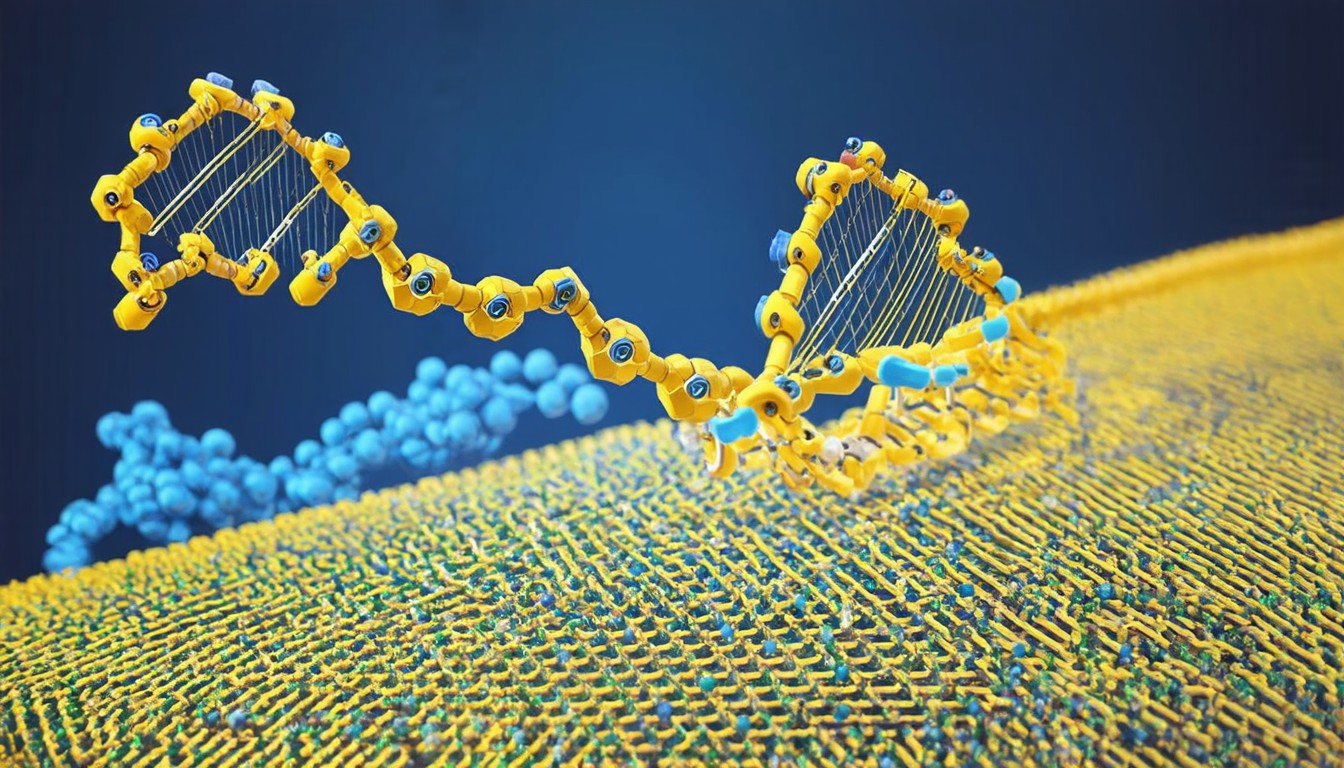
DNA robots could deliver drugs and hunt viruses inside your body
In a groundbreaking development in the field of nanotechnology, scientists are making significant strides in creating DNA robots—tiny programmable machines that could revolutionize medicine and healthcare. These microscopic devices, inspired by traditional robotics and built using DNA folding techniques, are poised to deliver drugs directly to specific cells, hunt down viruses, and even construct molecular-scale devices.
The concept of DNA robots is not science fiction; it is the result of years of research and innovation. By leveraging the natural abilities of DNA to fold into complex shapes, scientists have developed structures that can move and act with remarkable precision. These robots are not made of metal or electronics but are instead composed of biological molecules, making them biocompatible and potentially safe for use inside the human body.
One of the most promising applications of DNA robots is in targeted drug delivery. Traditional drug delivery methods often involve administering medications systemically, which can lead to side effects and a lack of specificity. DNA robots, on the other hand, could be designed to carry drugs directly to the site of action, such as cancer cells or inflamed tissues. This precision could minimize collateral damage to healthy cells and improve the efficacy of treatments.
In addition to drug delivery, DNA robots could also play a crucial role in combating viral infections. By programming these nanoscale machines to recognize and bind to specific viral components, they could neutralize pathogens before they cause harm. This approach could offer a new way to treat or even prevent infections, particularly those caused by viruses that are difficult to target with traditional antiviral drugs.
Moreover, DNA robots are not limited to medical applications. Scientists are exploring their potential in constructing molecular-scale devices, such as sensors or actuators, that could be used in a variety of fields, from environmental monitoring to energy production. By manipulating the DNA strands that make up these robots, researchers can program them to perform specific tasks, opening up a world of possibilities for miniaturized technology.
The control of DNA robots relies on chemical reactions or external signals like light and magnetic fields. This versatility allows for a high degree of customization and adaptability. For instance, a DNA robot could be guided to a specific location using a light signal or activated by a chemical trigger, enabling it to perform its function only when and where needed.
Despite their potential, DNA robots are still in the early stages of development, and several challenges must be overcome before they can be widely implemented. One major hurdle is ensuring their stability and durability within the human body. DNA is susceptible to degradation by enzymes and other biological factors, which could limit the lifespan of these nanoscale machines. Researchers are actively working on developing more robust DNA structures and encapsulating them in protective materials to enhance their resilience.
Another consideration is the regulatory and ethical implications of using DNA robots in the human body. As with any new technology, there are concerns about safety, efficacy, and potential misuse. Scientists and policymakers must collaborate to establish guidelines and protocols that ensure the responsible development and deployment of these innovative tools.
In conclusion, DNA robots represent a fascinating intersection of biology and robotics, offering transformative possibilities for medicine and beyond. While challenges remain, the progress made so far is encouraging, and the potential benefits of these tiny programmable machines are vast. As research continues, DNA robots could become an essential component of our future healthcare arsenal, delivering targeted treatments, combating infections, and enabling new advancements in technology.









