DK Shivakumar: CM Chair is For People, Pledges Collective Governance
Karnataka Chief Minister D.K. Shivakumar has reportedly declared that the Chief Minister's chair is a public trust, not a personal possession. He has pledged a commitment to collective governance, aiming to serve the state's citizens with a unified approach.
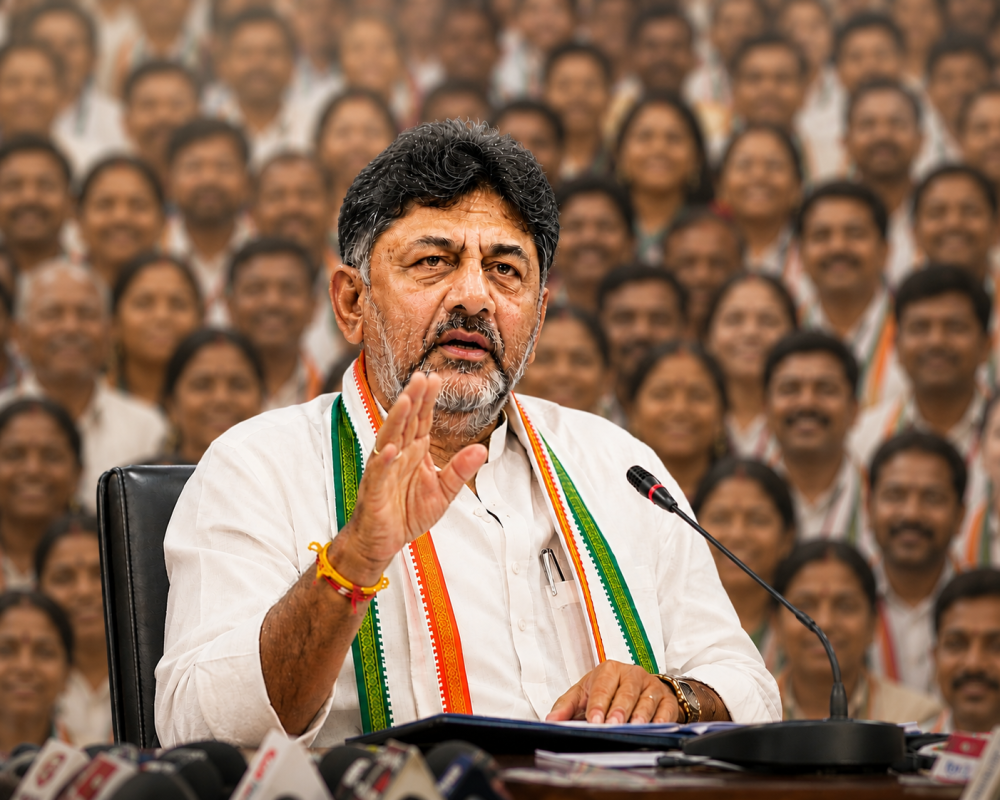
Karnataka Chief Minister D.K. Shivakumar has reportedly made a significant declaration, asserting that the Chief Minister's chair is not a personal entitlement but rather a position that fundamentally belongs to the people. This statement, which resonates deeply with democratic ideals, underscores a commitment to public service and accountability. Alongside this assertion, the Chief Minister has also pledged to dedicate his administration to the principles of collective governance within the state, signaling a collaborative approach to leadership.
In a political landscape where leadership often faces scrutiny over its priorities, such a statement from a high-ranking official like the Chief Minister of Karnataka carries considerable weight. It serves as a powerful reminder of the foundational tenets of a democratic system, where elected representatives are ultimately servants of the populace. The emphasis on the chair belonging to the people highlights the transient nature of political power and the enduring sovereignty of the citizens who bestow it through their mandate.
The idea that the Chief Minister's chair is a public trust, rather than an individual's possession, is central to good governance. It implies that every decision made, every policy formulated, and every action taken from that position must be guided by the welfare and aspirations of the state's residents. This perspective encourages leaders to view their role through the lens of stewardship, ensuring that the vast responsibilities associated with the office are discharged with utmost integrity and a singular focus on collective well-being.
Furthermore, Chief Minister Shivakumar's pledge for collective governance outlines a vision for a more inclusive and participatory administration. Collective governance, in essence, moves beyond the confines of individual leadership, advocating for a system where diverse voices and perspectives contribute to the decision-making process. This approach can potentially foster greater consensus, enhance the robustness of policies, and ensure that the varied needs of Karnataka's diverse population are adequately addressed.
Implementing collective governance in a state as dynamic and complex as Karnataka presents both opportunities and challenges. It requires a willingness to engage with various stakeholders, including political allies, opposition parties, civil society organizations, and the general public. The aim is to build a shared vision for the state's progress, moving away from unilateral decisions towards a more consultative and collaborative model that strengthens democratic institutions.
Such a commitment from the state's highest executive office can inspire confidence among citizens, reassuring them that their concerns will be heard and their interests prioritized. In a democracy, the legitimacy of governance is often derived from the perception of fairness, transparency, and responsiveness. A leadership that openly embraces the idea of public ownership of power and collective responsibility is likely to resonate positively with the electorate.
The Chief Minister's reported emphasis on these principles also sets a precedent for political conduct and ethical leadership. It encourages a culture where humility and service are valued over personal aggrandizement. By positioning the office as a tool for public good rather than a symbol of individual power, it reinforces the democratic ideal that leaders are accountable to those they serve.
In the broader context of Indian politics, statements advocating for public ownership of power and collective action are crucial for maintaining the health of democratic processes. They remind all political actors of their fundamental duty to the nation and its people. This reported pledge by Chief Minister Shivakumar signals a dedication to upholding these values, aiming to ensure that governance in Karnataka is truly representative and responsive.
The path of collective governance, while promising, demands sustained effort, open dialogue, and a genuine spirit of collaboration from all involved. It is a continuous endeavor to bridge divides and work towards common goals. The Chief Minister's reported commitment to this approach suggests an intent to foster unity and shared purpose in navigating the state's future.
Ultimately, Chief Minister D.K. Shivakumar's declaration that the CM's chair belongs to the people, coupled with his pledge for collective governance, marks a significant articulation of democratic principles. It reflects a desire to anchor leadership firmly in the public trust and to steer Karnataka through a collaborative framework, ensuring that the state's progress is a shared journey for all its citizens.