Divided Supreme Court weighs the right to seek asylum at the southern border
The case posed a clash between the government's need to manage surges at the border and the moral and historical obligation to offer asylum to those fleeing persecution.
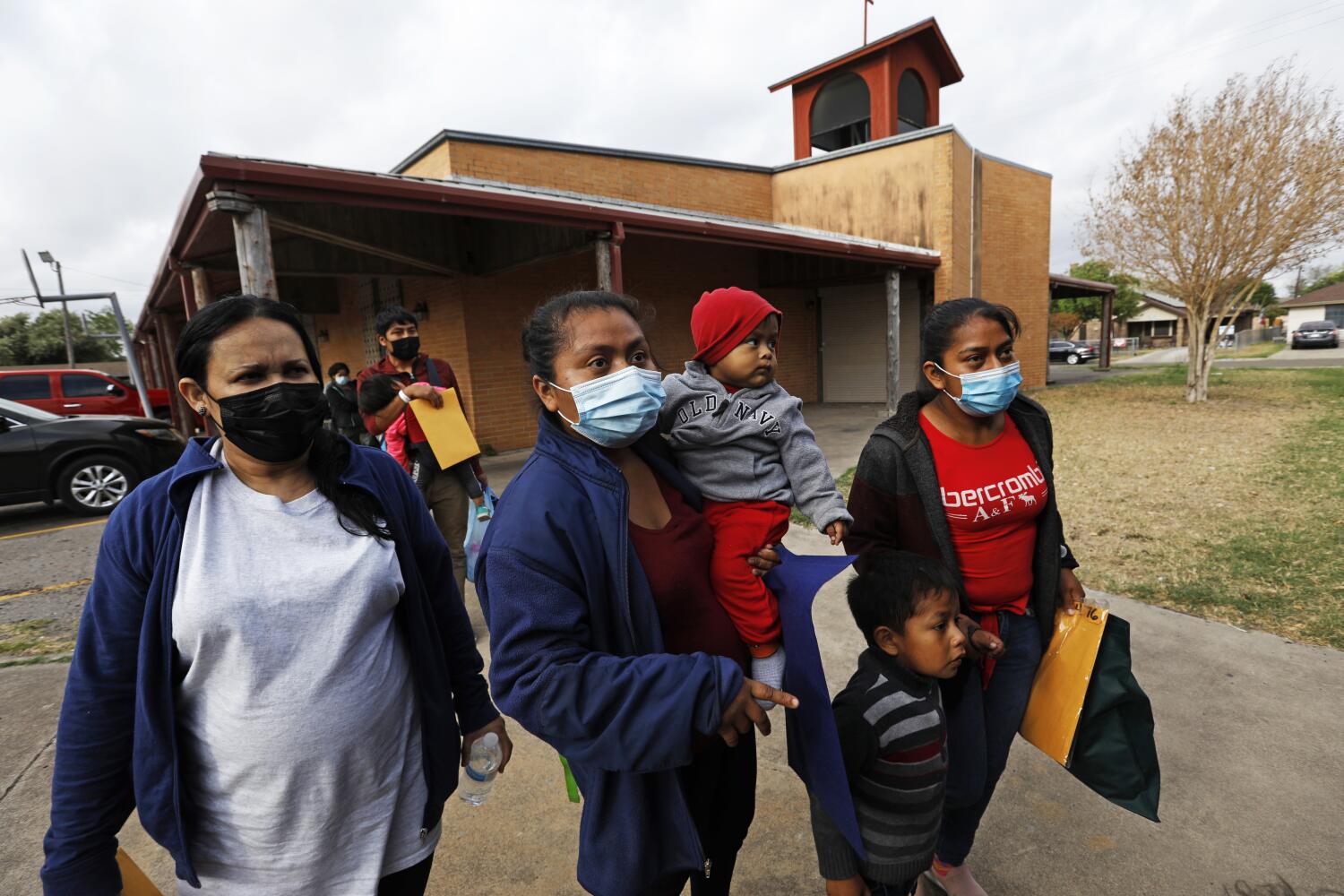
The Supreme Court of the United States found itself at an impasse as it grappled with the complex issue of asylum seekers arriving at the southern border. The case, which has been the subject of intense debate and legal maneuvering, highlights the tension between the government's responsibility to manage border security and its moral duty to provide refuge to those fleeing persecution.
The origins of this legal battle can be traced back to a series of events that unfolded at the U.S.-Mexico border, where thousands of individuals have sought asylum in recent years. Many of these asylum seekers hail from Central America, particularly El Salvador, Guatemala, and Honduras, where they face violence, gang activity, and political instability. The influx of asylum seekers has strained border infrastructure, leading to long wait times and humanitarian concerns.
On the one hand, the U.S. government has argued that it must prioritize border security to prevent illegal immigration and protect national security. Critics of the administration have pointed to the surge in asylum applications as a result of administration policies, including the termination of the Obama-era DACA program and the implementation of a "zero-tolerance" policy that separated families at the border.
In response to these challenges, the government has sought to implement measures to manage the border crisis, including the deployment of additional resources, the construction of physical barriers, and the negotiation of agreements with Central American countries to reduce migration. However, these efforts have been met with criticism from human rights organizations and advocates for asylum seekers, who argue that the U.S. has a historical and moral obligation to provide refuge to those fleeing persecution.
The case before the Supreme Court has become a focal point for this debate. Legal experts have noted that the justices are deeply divided on the issue, with some emphasizing the need to uphold the rule of law and protect national security, while others prioritize the protection of human rights and the U.S. Constitution's guarantees of due process and equal protection.
One of the central issues at stake is the interpretation of U.S. immigration laws and the definition of "asylum." Under international law, asylum is granted to individuals who face a well-founded fear of persecution on account of their race, religion, nationality, membership in a particular social group, or political opinion. However, the U.S. has historically been more restrictive in its asylum policies, often requiring asylum seekers to prove that they have been directly targeted for persecution.
The Supreme Court's decision will likely have profound implications for both asylum seekers and U.S. immigration policy. If the justices side with the government's argument that border security is paramount, it could lead to stricter asylum policies and increased enforcement of immigration laws. Conversely, if the Court prioritizes the moral obligation to provide refuge, it may result in a more lenient approach to asylum applications and greater protections for those seeking sanctuary in the United States.
This case also raises broader questions about the role of the U.S. in global refugee policy. The United States has long been criticized for its relatively low rates of refugee resettlement compared to other industrialized nations. The Supreme Court's decision could set a precedent for how the U.S. approaches refugee and asylum issues in the future, potentially influencing both domestic and international policies.
As the justices deliberate, the stakes could not be higher. On one side are the asylum seekers and their families, who have risked everything to flee persecution and seek a better life in the United States. On the other side are the concerns of border security and national safety. The outcome of this case will not only shape the lives of those directly affected but also send a powerful message about the values and priorities of the United States in the 21st century.
In the meantime, the border remains a flashpoint, with tensions running high and humanitarian concerns mounting. As the Supreme Court weighs the competing interests, the nation looks on, eager for a resolution that can address both the practical challenges of border management and the moral imperative to protect those in need. The future of asylum in the United States hangs in the balance, and the decision of the justices will have a lasting impact on the lives of millions.