
Displaced by war, Lebanon's Christians mark Easter far from their homes and churches
Many Lebanese Christians are marking Easter far from their homes and churches, displaced by Israel's war with the militant Hezbollah group
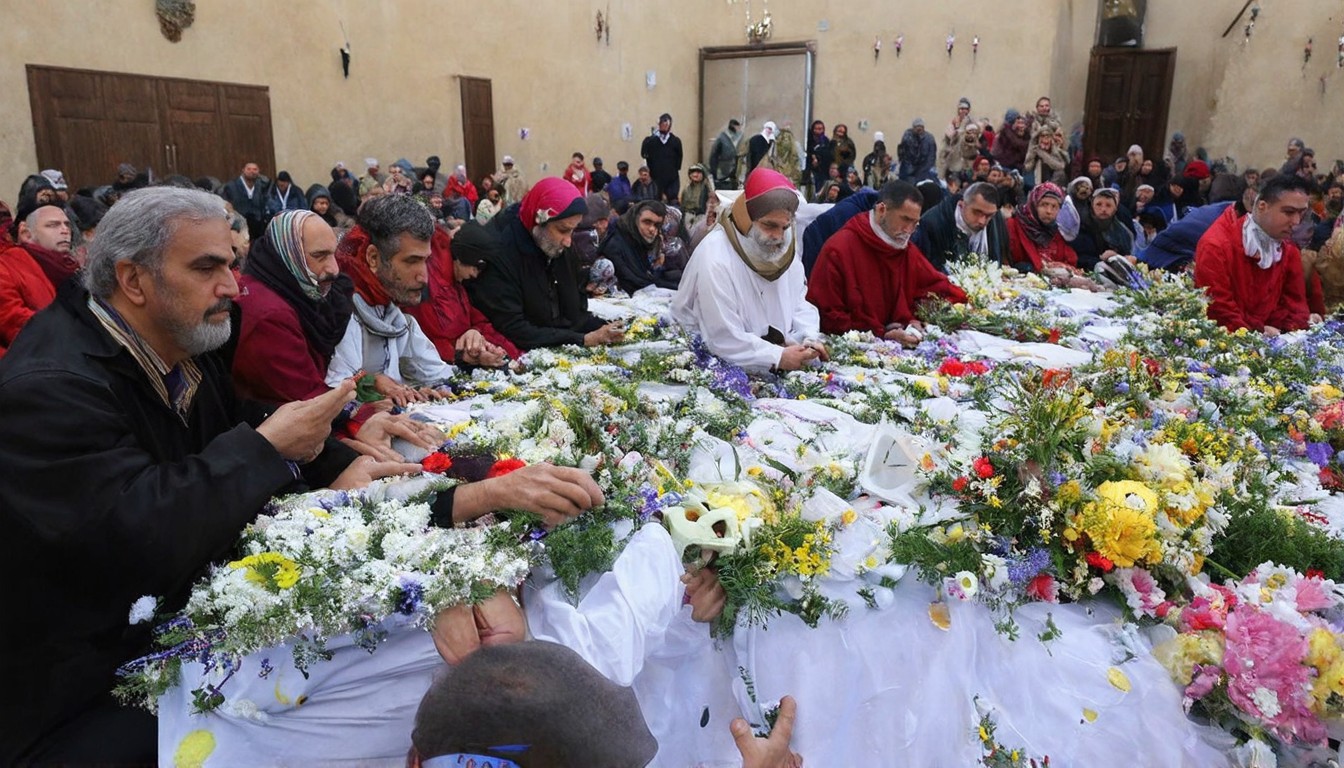
In the shadow of conflict, Lebanon's Christians are observing Easter in unfamiliar surroundings, their traditional celebrations disrupted by the ongoing war between Israel and the militant Hezbollah group. For generations, Easter has been a time of deep spiritual significance for Lebanon's Christian community, a moment to gather in their churches and homes to celebrate the resurrection of Jesus Christ. This year, however, many are forced to mark the holiday far from their familiar landscapes, their lives uprooted by the violence that has gripped parts of the country.
The war, which erupted in October 2023, has led to the displacement of hundreds of thousands of people, including a significant number of Lebanon's Christian population. Many have been forced to flee their homes in the south and east of the country, areas that have become the epicenter of the conflict. These Christians, who have long been a minority in Lebanon, now find themselves in makeshift camps or temporary shelters, their lives transformed by the sudden onset of war.
In these unfamiliar settings, the meaning of Easter takes on a new dimension. For many, the holiday represents a poignant reminder of their displacement and the fragility of their lives. As they gather in makeshift chapels or private homes, the rituals of Easter—the lighting of candles, the sharing of eggs, and the solemn processions—are imbued with a sense of resilience and hope. The church, a cornerstone of their identity, has become a beacon of stability amidst chaos, offering solace and a sense of continuity in an uncertain world.
The war has not only disrupted the spiritual lives of Lebanon's Christians but has also challenged their economic stability. Many have lost their livelihoods, as businesses and farms in war-torn areas have been destroyed or rendered unusable. The displacement has forced many to rely on humanitarian aid, further straining an already fragile economy. For families, the financial burden of rebuilding their lives adds to the emotional weight of being far from home.
Despite these challenges, the Christian community in Lebanon is showing remarkable resilience. Church leaders are working tirelessly to provide support, organizing food distributions and psychological counseling for those displaced by the conflict. They are also striving to maintain a sense of community, even in the face of adversity. In some cases, churches have become hubs of support, offering shelter and a place of refuge for those in need.
The war has also prompted many Lebanese Christians to reflect on their role in the country's future. For centuries, they have been a vital part of Lebanon's social and economic fabric, contributing to the nation's diversity and vibrancy. Now, as they mark Easter far from home, they are confronted with the reality of a fragile peace and the need for reconciliation. Many are calling for dialogue and a renewed commitment to coexistence, recognizing that only through unity can Lebanon hope to overcome its current challenges.
As the world marks Easter with joy and renewal, the Lebanese Christians who are displaced by war are reminded of the fragility of peace and the strength of faith. Their story is a testament to the enduring spirit of a people who, despite the hardships they face, continue to hold onto their traditions and their hope for a better future. In the midst of conflict, they find solace in their faith, a reminder that even in the darkest of times, there is always a glimmer of light.









