Discussions to Modernize International Treaty on Plant Genetic Resources Fail: What’s Next?
Lima, Peru marked a missed opportunity to modernize the FAO International Treaty on Plant Genetic Resources. High hopes to address digital sequence information, benefit-sharing, and access reforms collapsed into stalemate. With negotiations halted, the seed sector warns that growing sovereignty disputes and policy inertia threaten global cooperation, biodiversity conservation, and future food security. The post Discussions to Modernize International Treaty on Plant Genetic Resources Fail: What’s Next? appeared first on Seed World .
Lima, Peru, recently marked a significant missed opportunity to modernize the Food and Agriculture Organization (FAO) International Treaty on Plant Genetic Resources. Delegates from 154 countries gathered in late November under the FAO's auspices with a shared goal: to strengthen the International Treaty on Plant Genetic Resources for Food and Agriculture. This treaty, in place for over two decades, serves as the cornerstone for how plant genetic materials are accessed, shared, and improved across international borders. Its purpose is to strike a balance between facilitating access to plant genetic resources for research and breeding and ensuring fair and equitable benefit-sharing with the countries and institutions that steward global biodiversity.
However, the treaty's effectiveness has been increasingly strained due to factors such as the emergence of digital sequence information (DSI), advancements in breeding technologies, geopolitical sensitivities surrounding biodiversity, and overlapping responsibilities with the Convention on Biological Diversity (CBD). These complexities have made it challenging for the treaty to adapt to the rapidly evolving landscape of plant genetic resources.
Heading into the Lima discussions, expectations were high. Many in the seed and breeding sectors viewed the meeting as a long-awaited chance to modernize a system that was increasingly out of sync with scientific and commercial realities. The treaty's limitations had become apparent, particularly in addressing issues such as digital sequence information, benefit-sharing reforms, and access to genetic resources.
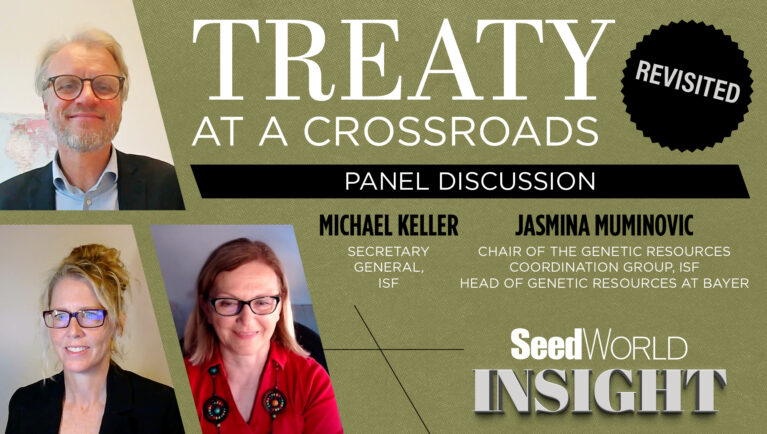
Unfortunately, the outcome in Lima left many disappointed. Michael Keller, Secretary General of the International Seed Federation (ISF), expressed his frustration, stating, "If you ask me like this, I could say, wow, it was a lost opportunity. Wow, it was again a lost opportunity to build a real dialogue, to build the dialogue of all the actors about the importance of working together in favor of maintaining biodiversity and thinking about feeding the populations of the world." Keller added bluntly, "At the end, we are at the same level as 13 years ago."
Jasmina Muminović, Chair of the Genetic Resources Coordination Group of the International Seed Federation and Head of Genetic Resources at Bayer, shared similar sentiments. She noted that the disappointment began almost immediately in Lima. The discussions failed to address critical issues such as the integration of digital sequence information into the treaty framework, which is essential for advancing plant breeding and genetic research. Additionally, the stalemate in negotiations highlighted growing sovereignty disputes and policy inertia, which threaten global cooperation, biodiversity conservation, and future food security.
The seed sector has warned that the lack of progress in modernizing the treaty could have severe consequences. As nations become more protective of their genetic resources, access to biodiversity for research and development may become increasingly restricted. This could hinder innovation in agriculture and slow down efforts to develop new crop varieties that are resilient to climate change and pests.
Moreover, the inability to reform the treaty could exacerbate tensions between developed and developing countries. Developing nations, which often hold significant genetic resource collections, may feel that their contributions to global food security are not adequately recognized or compensated. This could undermine their willingness to engage in international cooperation, further jeopardizing the treaty's objectives.
In the aftermath of the Lima discussions, the future of the International Treaty on Plant Genetic Resources remains uncertain. The stalemate in negotiations has left many stakeholders questioning whether the treaty can ever be effectively modernized. Some have suggested that a complete overhaul of the treaty may be necessary, while others advocate for incremental reforms.
Regardless of the path forward, it is clear that the global community must act swiftly to address the challenges facing plant genetic resources. The stakes are high, with food security, biodiversity conservation, and sustainable agriculture at risk. The failure to modernize the treaty in Lima serves as a stark reminder of the need for urgent and collaborative action to ensure the sustainable use and sharing of plant genetic resources for the benefit of all.
As the international community grapples with the implications of the Lima stalemate, the question of what comes next looms large. Will future negotiations yield the necessary progress, or will the treaty continue to struggle to keep pace with the rapidly changing landscape of plant genetic resources? Only time will tell, but one thing is certain: the need for a robust and adaptable international framework to govern plant genetic resources has never been more critical.