
Discontent down under
Populism is now a significant part of Australian politics Source
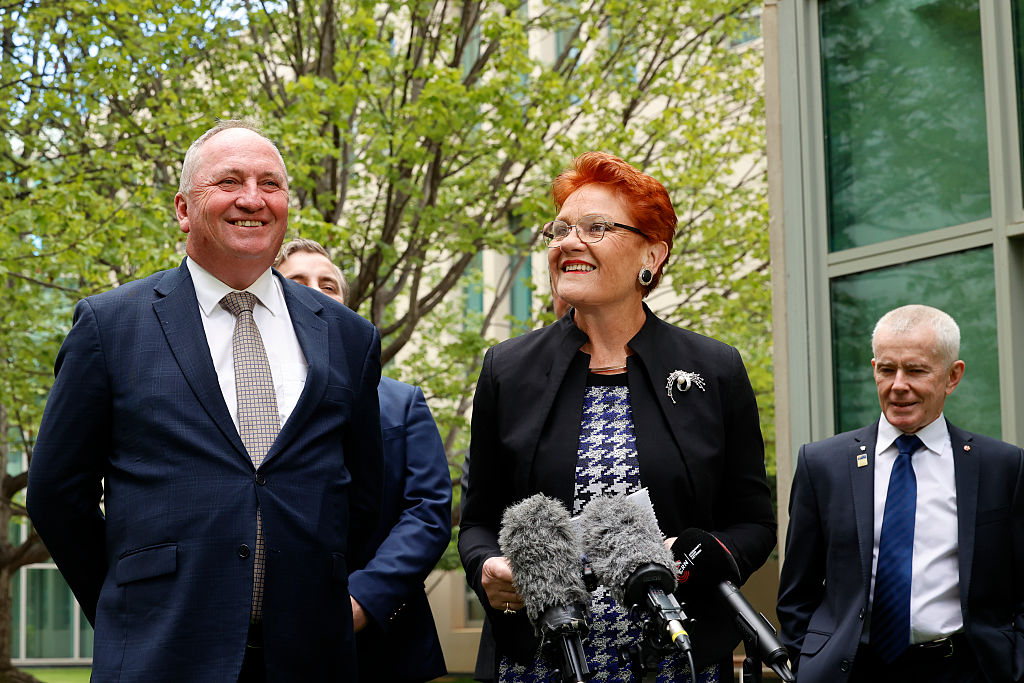
In recent years, Australian politics has been marked by a growing influence of populism, reflecting a shift in public sentiment and political discourse. This trend, often characterized by the use of simplistic messages, appeals to the general public, and a focus on national identity, has become a dominant force in the country's political landscape. As political parties vie for support, they increasingly turn to populist rhetoric to connect with voters, leading to a polarized and divisive political climate.
The rise of populism in Australia can be traced back to economic challenges and social changes that have reshaped the nation's political dynamics. The 2008 global financial crisis left many Australians feeling insecure about their economic prospects, and the subsequent years saw a rise in concerns over immigration, job displacement, and the erosion of traditional values. These issues have been exploited by populist leaders and parties, who have framed themselves as defenders of the Australian way of life.
One of the most prominent examples of populism in Australian politics is the rise of Pauline Hanson and her One Nation party. Hanson, known for her controversial views on immigration and multiculturalism, gained significant support in the 1990s by tapping into widespread fears about cultural change and economic instability. While her influence has waned in recent years, her legacy has been carried forward by other populist figures and parties, such as Nick Xenophon and the Nick Candidates Group, which focused on anti-establishment and anti-immigration stances.
The Australian Labor Party (ALP) and the Liberal-National Coalition, the two major parties in Australia, have also been accused of incorporating populist elements into their policies and messaging. The ALP, traditionally seen as a party of the working class, has increasingly turned to populist rhetoric to appeal to disaffected voters, particularly those in regional areas who feel neglected by urban-centric policies. Similarly, the Liberal-National Coalition has been criticized for its handling of immigration policies, which have been framed as a means to protect Australian jobs and values.
This shift towards populism has not been without consequences. It has led to a more polarized political environment, with debates often devolving into personal attacks and simplistic narratives. The rise of populism has also contributed to the marginalization of minority groups, as they become scapegoats for economic and social problems. Furthermore, the focus on national identity and in-fighting has strained relations with neighboring countries, particularly in the context of immigration policies.
Despite the challenges posed by populism, there are signs that the Australian public is becoming more discerning. In recent years, there has been a growing recognition of the dangers of populist rhetoric, with many voters expressing a desire for more substantive and inclusive political discourse. This shift is reflected in the rise of independent candidates and new political parties that emphasize pragmatism and multiculturalism.
In conclusion, populism has become a significant part of Australian politics, reshaping the way political parties communicate with the public and contributing to a more divisive political climate. While it has been fueled by economic insecurity and social change, its impact on the nation's political landscape is profound. As Australia navigates this new political reality, the challenge lies in finding a balance between addressing legitimate concerns and fostering a more inclusive and constructive political discourse.









