Dirty Ships, Lifted Embargoes and the Hidden Power of Grain
This article examines how climate-driven famine and uninspected grain trade helped spread the Black Death, drawing parallels to today’s risks from illegal and counterfeit seeds. It highlights how uncertified seed trade bypasses biosecurity, inspection and traceability, threatening agriculture, farmers and the environment. Strong seed certification and enforcement are essential to prevent pests, diseases and economic losses. The post Dirty Ships, Lifted Embargoes and the Hidden Power of Grain appeared first on Seed World .
In the midst of a climate-driven famine, the medieval world faced unprecedented challenges that reshaped trade and society. When volcanic eruptions in the 1340s disrupted global weather patterns, causing cooler summers and failed harvests, Europeans grappled with the consequences of a sudden climate event. Unaware of the underlying causes, they experienced a sharp decline in food production, leading to soaring grain prices and widespread hunger. This crisis forced a reevaluation of trade routes and practices, ultimately paving the way for the spread of the Black Death.
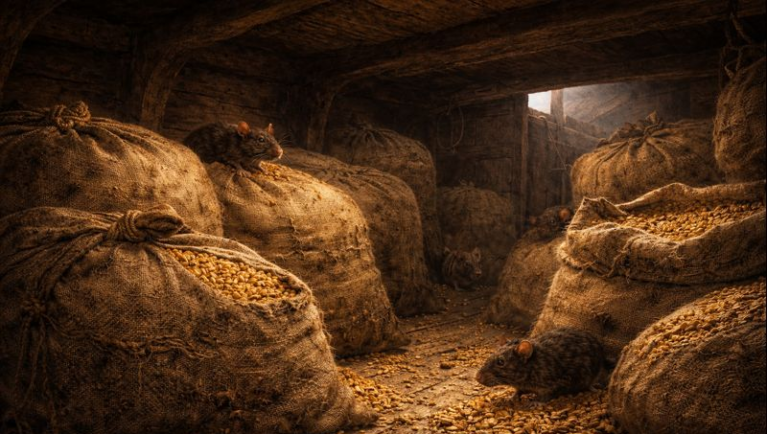
Historians Martin Bauch and Ulf Büntgen have recently explored this pivotal period in their study published in Communications Earth & Environment. Their research reveals that the climate downturn triggered by volcanic eruptions led to a surge in long-distance grain trade, as regions sought to alleviate food shortages. However, this expansion of trade also carried unintended consequences. Uninspected grain shipments became a conduit for the plague bacterium, Yersinia pestis, to infiltrate Europe. The stowaways hidden in the cargo brought not only sustenance but also devastation.
This historical parallel raises concerns about modern-day risks posed by unregulated trade, particularly in the context of illegal and counterfeit seeds. Today, the global seed trade bypasses crucial biosecurity measures, inspections, and traceability protocols, threatening agriculture, farmers, and the environment. The hidden power of grain, as seen in the medieval context, underscores the importance of robust seed certification and enforcement to prevent the spread of pests, diseases, and economic losses.
In the 1340s, grain was more than just a food staple; it was a strategic resource that fueled cities, sustained armies, and shaped political alliances. As famine and instability drove trade practices to change, unregulated movement of goods became a double-edged sword. The same dynamics are evident today, where unchecked seed trade poses significant risks. The medieval example serves as a cautionary tale, highlighting the need for stringent regulations and transparency in the seed market to safeguard global food security and biodiversity.
The interplay between climate, trade, and disease in the 14th century offers valuable insights into contemporary challenges. The resurgence of volcanic activity, climate change, and the expansion of global trade routes mirror the conditions that once facilitated the Black Death. Today, the threat of biosecurity breaches through unregulated seed trade looms large, with potential consequences for agriculture and public health.
In conclusion, the historical narrative of dirty ships and lifted embargoes during the Black Death era underscores the critical role of seed certification and enforcement in mitigating modern risks. By learning from the past, we can better prepare for the challenges posed by unchecked trade and the hidden dangers it may carry. The stakes are high, as the consequences of inadequate regulation could lead to ecological disruption, economic instability, and widespread suffering, much like the plague that once ravaged Europe. It is imperative that we act now to safeguard our agricultural systems and ensure the sustainable and secure distribution of seeds, both today and for future generations.