Diesel prices to jump to P18.80 per liter on Tuesday, Apr. 7
Oil firms will implement steep increases on Tuesday, with diesel prices rising by as much as P18.80 per liter.
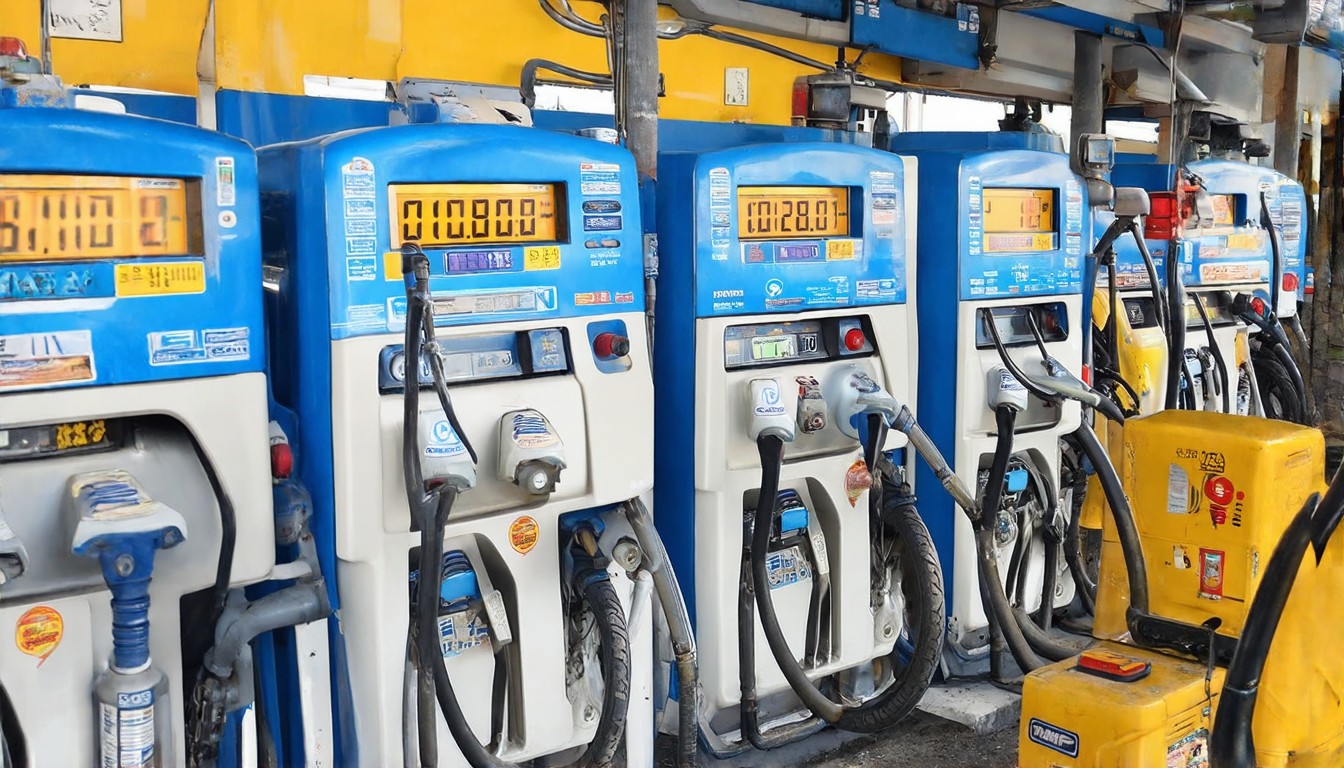
On Tuesday, April 7, motorists in the Philippines are set to face a significant hike in diesel prices, with prices expected to rise by as much as P18.80 per liter. This move comes as oil firms implement steep increases across the country, reflecting the volatile global oil market and the impact of various factors on the local fuel supply chain.
The announcement of the price surge has been met with concern among consumers, who have already been grappling with rising fuel costs in recent months. Analysts attribute the latest increase to a combination of factors, including global oil price fluctuations, currency exchange rates, and domestic demand for diesel.
In recent weeks, global oil prices have been on an upward trajectory, driven by geopolitical tensions, production cuts by OPEC+ members, and concerns about supply disruptions. These factors have contributed to higher oil prices, which in turn have led to increased costs for refineries and fuel distributors in the Philippines.
Additionally, the Philippine peso has weakened against major currencies like the US dollar and the euro. This weakening has made it more expensive for local oil firms to import crude oil and other fuel components, further contributing to the cost of diesel production and distribution.
Domestic demand for diesel has also played a role in the price hike. The Philippines relies heavily on diesel for transportation, particularly for commercial vehicles and industrial uses. As the economy recovers from the pandemic, demand for diesel has increased, putting upward pressure on prices.
The steep increase in diesel prices is expected to affect not only individual motorists but also businesses that rely on diesel for operations. Truckers, farmers, and industrial sectors may face higher operational costs, which could lead to increased prices for goods and services.
In response to the price hike, some consumers may turn to alternative modes of transportation or opt for more fuel-efficient vehicles. However, for many, the increased cost of diesel could pose a significant financial burden, particularly for those with lower incomes.
Government officials have been monitoring the situation closely, and some have expressed concerns about the impact of the price surge on the economy and consumers. There have been calls for the government to consider measures to mitigate the effects of the price hike, such as temporary tax relief or subsidies for vulnerable populations.
Oil firms have defended the price increase as necessary to maintain profitability and invest in infrastructure to meet the growing demand for fuel. They argue that without such measures, the country could face fuel shortages or higher prices in the long run.
As the price hike takes effect on Tuesday, motorists and businesses will need to adapt to the new reality. While the situation is challenging, it also highlights the importance of diversifying energy sources and promoting sustainable transportation options to ensure long-term fuel security and affordability.
In conclusion, the steep rise in diesel prices on Tuesday, April 7, is a reflection of the complex interplay of global and local factors affecting the fuel market. While the increase is necessary for industry sustainability, it poses significant challenges for consumers and businesses alike. As the country navigates this volatile period, the focus will be on finding ways to balance the needs of the market with the well-being of its citizens.