Did the British unleash biological warfare against Washington’s troops?
Historians trace role of physicians, medicine, disease during war in articles marking 250th anniversary of Declaration of Independence
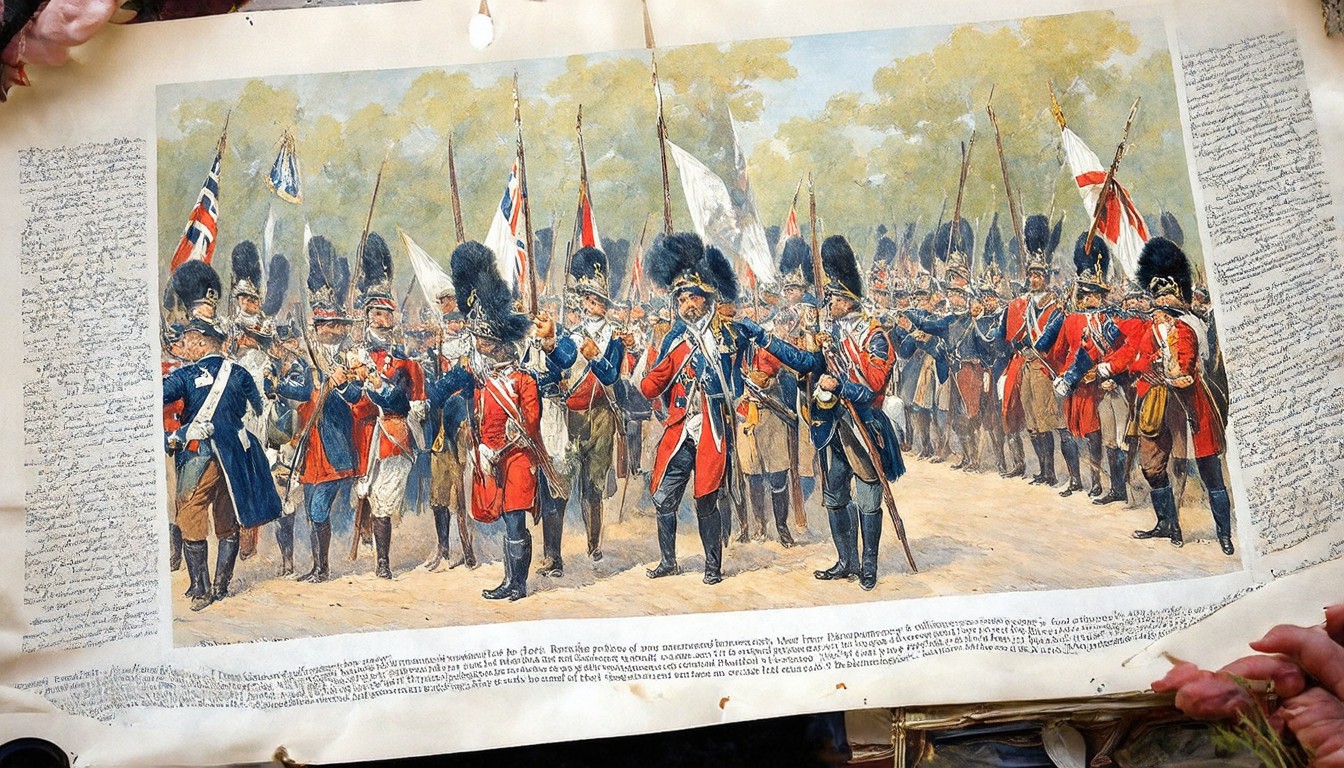
In the midst of the American Revolution, a harrowing mystery emerged: Were the British employing biological warfare against Washington's troops? As historians delve into the role of physicians, medicine, and disease during the war, marking the 250th anniversary of the Declaration of Independence, this unsettling possibility has resurfaced.
The winter of 1777 was a particularly challenging time for George Washington and his Continental Army. Smallpox had begun to ravage the already depleted ranks, and new recruits were being quarantined for a month to prevent the spread of the disease. Amidst this crisis, Washington received intelligence suggesting that the British were plotting to infect even more of his troops. Faced with this daunting threat, Washington made a bold decision: every soldier and recruit would be inoculated against smallpox.
In a letter to military physician William Shippen Jr., Washington expressed his hope that this inoculation would not only protect his troops but also enable them to return to duty swiftly. He wrote, "If the business is immediately begun and favoured with the common success, I would fain hope they will be soon fit for duty, and that in a short space of time we shall have an Army not subject to this the greatest of all calamities."
This case of potential biological warfare during the American Revolution has been recently reexamined in the New England Journal of Medicine as part of a series exploring the impact of physicians, medicine, and disease on the war. The articles, authored by historians like David S. Jones, highlight the prominence of physicians during the Revolutionary era, a period when their role was more significant than in subsequent moments of American history.
Jones, who is also the A. Bernard Ackerman Professor of the History of Medicine at Harvard Medical School, emphasized the critical role that medical professionals played in managing the health and well-being of soldiers. The inoculation campaign spearheaded by Washington and Shippen was a testament to their efforts to combat the devastating effects of disease on the Continental Army.
The potential use of biological warfare by the British adds a sinister layer to the already perilous conditions faced by Washington's troops. While the evidence remains circumstantial, the historical records underscore the dire circumstances of the time and the ingenuity required by both sides to adapt to the challenges of war.
As historians continue to unravel the complex interplay between medicine, disease, and conflict during the American Revolution, this 250th anniversary serves as a poignant reminder of the sacrifices made by those who fought for independence. The stories of Washington, Shippen, and other physicians involved in the inoculation efforts highlight the enduring legacy of their efforts to protect and preserve the lives of soldiers, even in the face of unprecedented adversity.
In the shadow of the Declaration of Independence, these historical accounts offer valuable insights into the medical and ethical dilemmas of the era. They also underscore the resilience and determination of those who braved the harsh realities of war, including the looming threat of biological warfare, to secure a future for their nation. As we commemorate this significant milestone, the lessons learned from the past continue to shape our understanding of the intricate connections between medicine, history, and the pursuit of freedom.