
Depth of nutrient uptake by deep-rooted plants is regulated by water availability
Proceedings of the National Academy of Sciences, Volume 123, Issue 13, March 2026. SignificancePlant uptake of water and nutrients occurs mostly in soil top layers. Some plants with deep roots can also obtain water from deeper regions in the saprolite, the boundary between soil and bedrock. Deep water uptake can provide resistance to ...
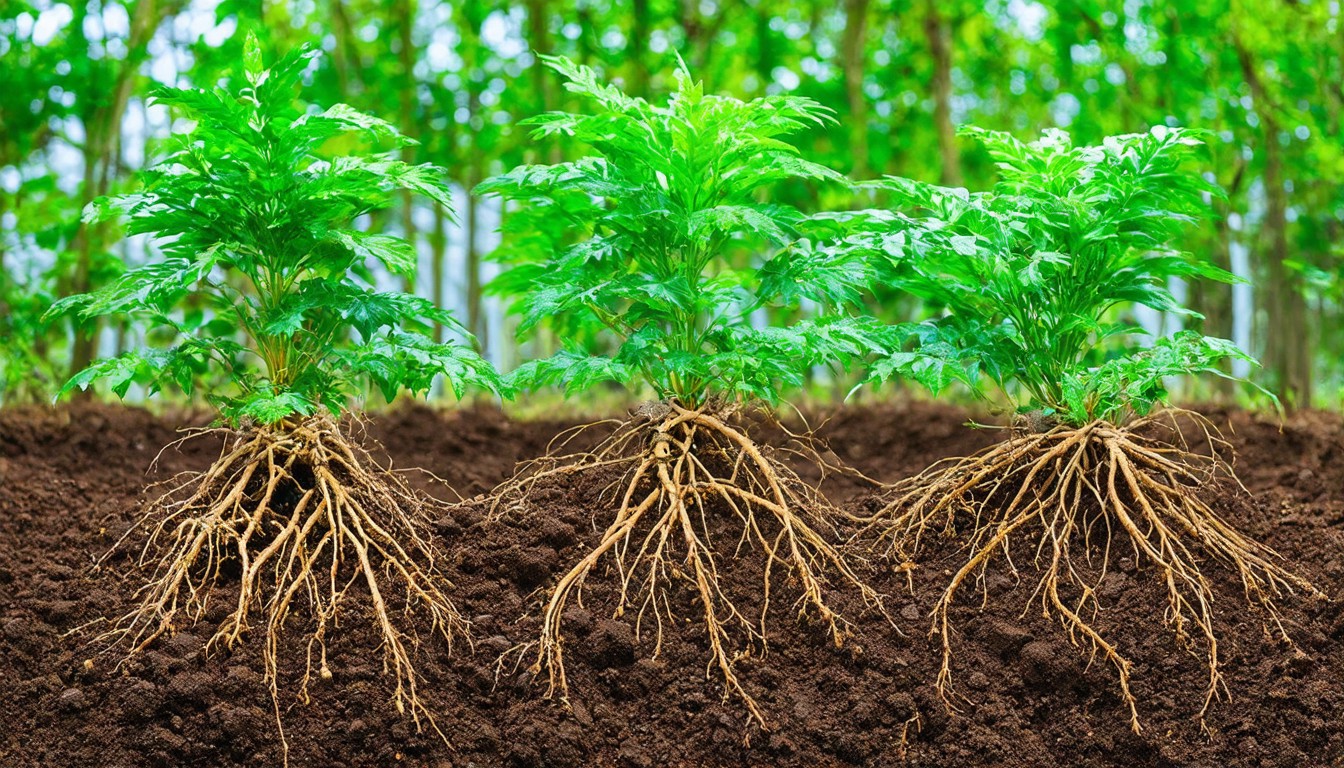
In a recent study published in the Proceedings of the National Academy of Sciences, researchers have discovered that the depth to which deep-rooted plants absorb nutrients is closely regulated by water availability in the soil. This finding challenges the long-held assumption that plant uptake of water and nutrients primarily occurs in the top layers of the soil.
The study, conducted by a team of scientists from various institutions, focused on plants with deep roots that can access water from deeper regions in the saprolite, the boundary between soil and bedrock. The saprolite zone is often overlooked in studies of plant nutrient uptake, yet the research indicates that it plays a crucial role in the resilience of these plants.
The significance of this discovery lies in the fact that deep water uptake can significantly enhance a plant's resistance to drought conditions. By accessing water stored in deeper soil layers, plants can maintain their growth and productivity even during prolonged periods of water scarcity. This ability to tap into deeper water sources is particularly important in regions where water availability is limited, such as arid and semi-arid areas.
The researchers conducted experiments using a variety of deep-rooted plant species, including grasses, shrubs, and trees. They manipulated water availability in controlled soil environments to observe how it affected the depth of nutrient uptake by the plants. The results showed that when water was scarce in the top soil layers, the plants extended their root systems deeper into the saprolite to access water and nutrients.
This adaptive response was more pronounced in plants that were already adapted to arid environments. The study suggests that the ability to access deeper water sources is a key factor in the survival and success of these plants in challenging conditions. Furthermore, the findings imply that deep-rooted plants may play a more significant role in ecosystem resilience than previously thought, as they can help maintain soil health and nutrient cycling in areas where water is a limiting resource.
The study also highlights the importance of understanding the complex interactions between plants, soil, and water. By investigating the mechanisms that regulate nutrient uptake in deep-rooted plants, researchers can gain insights into how to improve agricultural practices and enhance the resilience of crops in the face of climate change and increasing water scarcity.
In conclusion, the research published in the Proceedings of the National Academy of Sciences underscores the critical role of water availability in determining the depth of nutrient uptake by deep-rooted plants. This discovery not only advances our understanding of plant physiology but also has important implications for agriculture and ecosystem management in regions where water is a scarce resource. As global demand for food and resources continues to rise, the ability of plants to adapt to changing environmental conditions will be crucial for ensuring sustainable food production and maintaining ecological balance.









