
Delta kicks off an earnings season focused on surging gas prices and the Iran war
When Delta Air Lines kicks off the first-quarter earnings season on Wednesday, the air carrier’s results and forecast will offer a deeper look at how well U.S. customers and companies can withstand surging oil and fuel prices due to the war in Iran.
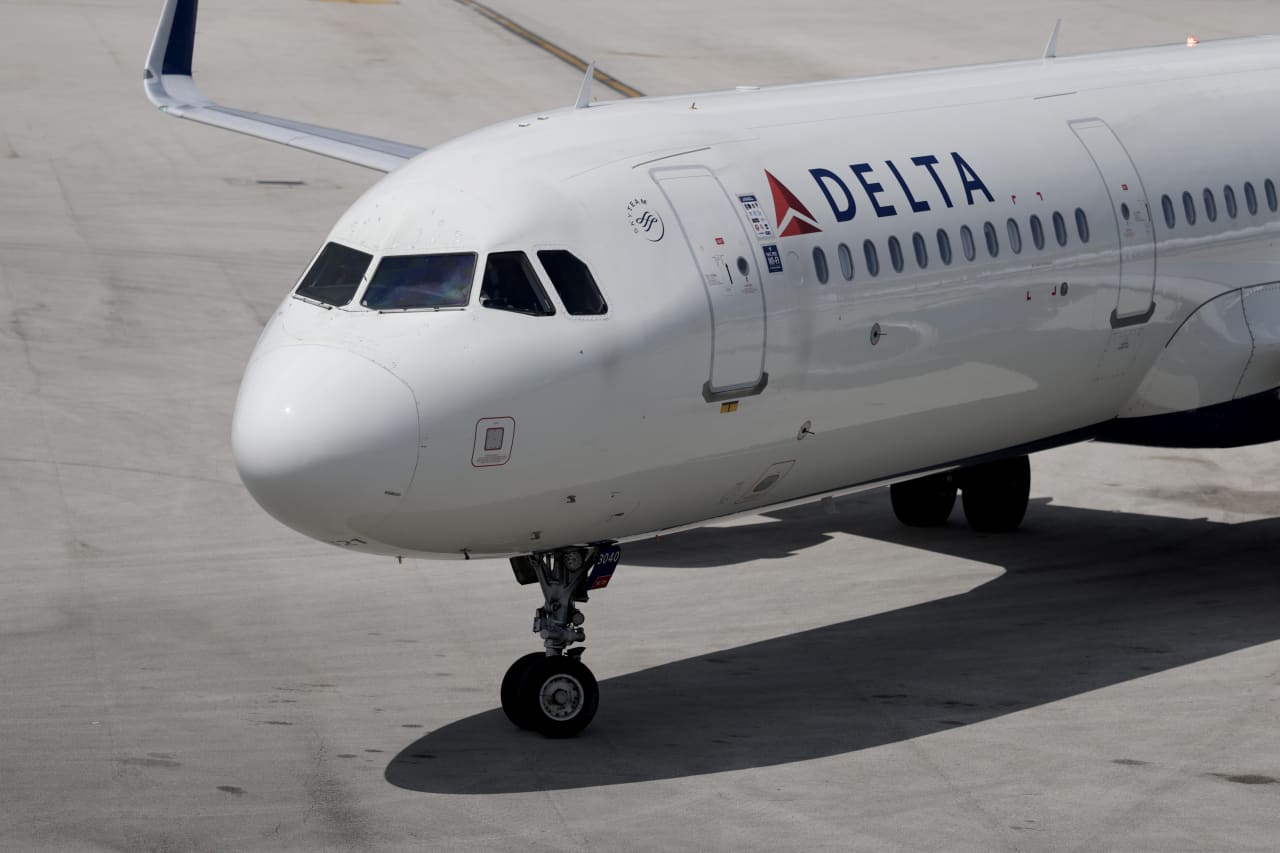
Delta Air Lines, one of the largest airlines in the world, is set to kick off the first-quarter earnings season on Wednesday. This announcement comes as the airline grapples with the challenges posed by surging gas prices and the ongoing war in Iran. As the conflict in the Middle East continues to escalate, the impact on global oil markets has been significant, with fuel costs rising sharply. Delta's earnings report and forecast will provide valuable insights into how U.S. customers and businesses are coping with these increased expenses.
The war in Iran has disrupted global oil supply chains, leading to a spike in fuel prices. This has had a direct impact on the aviation industry, as airlines are heavily reliant on jet fuel for their operations. Delta, like many other airlines, has been forced to adapt to these changing conditions. The airline has been working to optimize its fuel efficiency and reduce costs where possible. However, the extent to which these measures can offset the increased fuel costs remains uncertain.
Delta's earnings report will shed light on the airline's financial performance in the face of these challenges. Analysts and investors will be keen to see how the company has managed to navigate the volatile fuel market. The report will also provide a glimpse into Delta's outlook for the rest of the year, offering a sense of whether the airline expects the situation to stabilize or if further disruptions are likely.
In addition to fuel costs, the war in Iran has also raised concerns about safety and security in the region. This has led to increased scrutiny of airspace and potential rerouting of flights. While Delta has not been directly affected by these issues, the broader industry has been forced to adapt to the changing landscape. The airline's ability to maintain its operations and passenger confidence in the face of such uncertainties will be a key factor in its earnings performance.
Delta's earnings report will also provide insights into the resilience of U.S. customers and companies in the face of higher fuel costs. As travel expenses rise, consumers and businesses may be forced to reevaluate their spending habits. The airline's results will offer a snapshot of how demand for air travel has been affected by these changes. If the data shows a significant drop in travel, it could signal a broader economic downturn, while a stable or even increasing demand could indicate that consumers and businesses are willing to absorb the higher costs.
Furthermore, the war in Iran has broader implications for the global economy. The disruption of oil supply has the potential to cause inflationary pressures and affect consumer spending habits. Delta's earnings report will provide valuable context for understanding how these macroeconomic factors are impacting the airline industry. By examining Delta's financial performance, investors and analysts can gain a better understanding of the potential challenges facing the broader aviation sector.
In conclusion, Delta Air Lines' earnings report, which kicks off the first-quarter earnings season, will offer a critical look at the challenges posed by surging gas prices and the ongoing war in Iran. The report will provide insights into the airline's financial performance, its outlook for the rest of the year, and the resilience of U.S. customers and companies in the face of these increased expenses. As the conflict in the Middle East continues to shape global oil markets, Delta's ability to adapt and navigate these volatile conditions will be closely watched by the industry and investors alike. The earnings report will undoubtedly be a pivotal moment for the airline, offering a glimpse into the future of the aviation industry in an era of unprecedented fuel cost volatility.








