
Delta Air Lines taps Amazon Leo for in-flight Wi-Fi as streaming wars heat up
Delta says the Amazon Leo in-flight Wi-Fi will be available starting in 2028 on 500 initial aircraft.
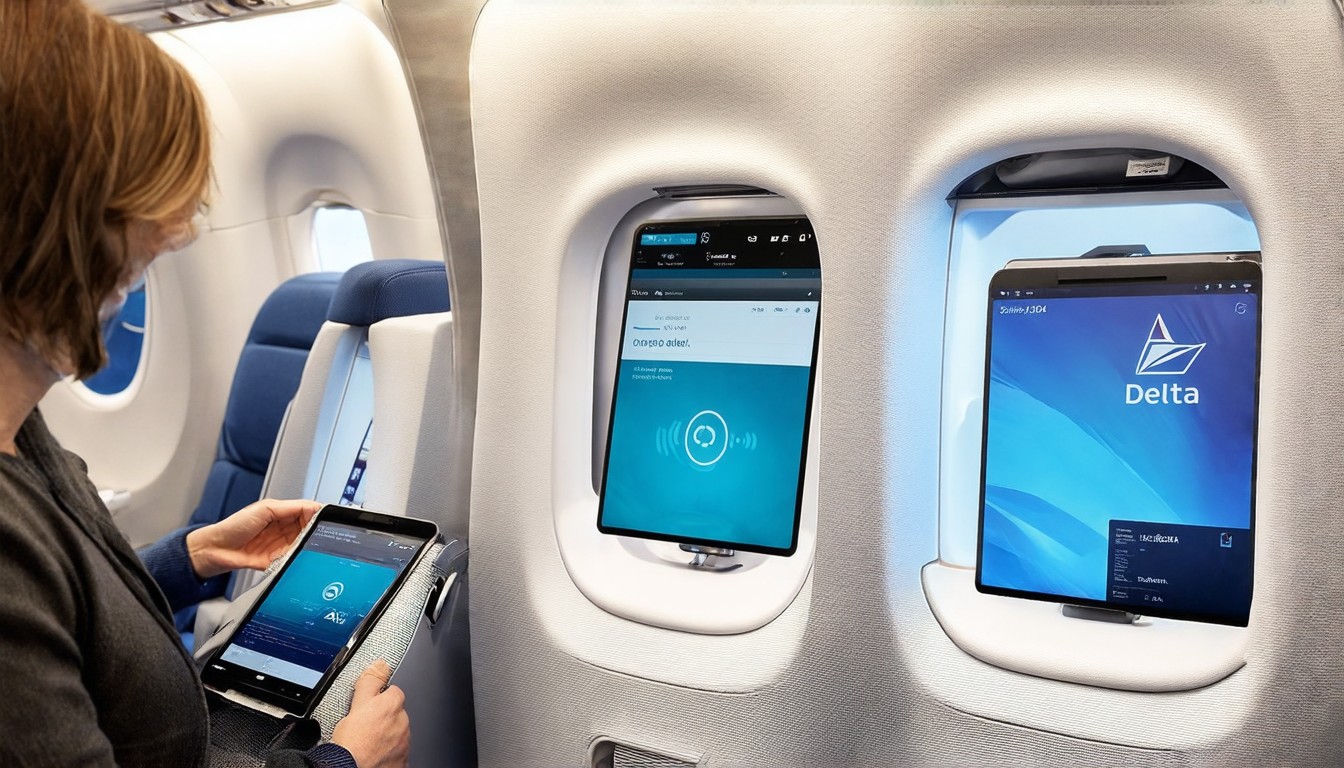
Delta Air Lines has announced a significant partnership with Amazon to enhance its in-flight Wi-Fi services, marking a strategic move in the midst of intensifying streaming wars. The airline plans to introduce Amazon's Leo in-flight Wi-Fi technology starting in 2028 across 500 initial aircraft. This development underscores Delta's commitment to staying ahead in the competitive aviation industry, where connectivity and entertainment options are becoming increasingly crucial for passengers.
The introduction of Amazon Leo in-flight Wi-Fi represents a substantial upgrade for Delta's existing connectivity offerings. The technology promises to deliver faster, more reliable internet speeds and improved streaming capabilities, allowing passengers to enjoy high-quality video content, browse the web, and communicate seamlessly during their flights. This move is particularly timely, as the aviation industry faces mounting pressure to meet the growing demand for in-flight entertainment and connectivity, driven by the rise of streaming services and the increasing reliance on digital communication.
Delta's decision to partner with Amazon reflects a broader trend in the industry, where airlines are seeking to leverage technology to differentiate themselves and enhance passenger experiences. The airline industry has long recognized the importance of in-flight Wi-Fi, with many carriers investing in upgrades to their connectivity systems. However, the integration of advanced streaming capabilities is a significant step forward, as it allows passengers to access a wide range of content, from movies and TV shows to music and news, without compromising on quality.
The rollout of Amazon Leo in-flight Wi-Fi is set to begin in 2028, with 500 aircraft serving as the initial phase. Delta has not disclosed the exact aircraft models that will be equipped with the new technology, but it is expected that the first wave of upgrades will target long-haul routes, where passengers are likely to require sustained connectivity and entertainment options. As the technology is introduced across more aircraft, Delta plans to expand its content library, offering passengers a diverse range of options to suit their preferences.
This partnership between Delta and Amazon also highlights the growing influence of tech giants in the aviation sector. Companies like Amazon are increasingly involved in providing innovative solutions to airlines, from in-flight entertainment systems to passenger data management. Such collaborations are driving advancements in the industry, pushing airlines to offer more sophisticated services and enhancing the overall passenger experience.
The introduction of Amazon Leo in-flight Wi-Fi is expected to have several implications for the aviation industry. Firstly, it could prompt a wave of similar upgrades among competing airlines, as they strive to match or exceed Delta's offerings. This could lead to a rapid acceleration in the adoption of advanced in-flight connectivity and streaming technologies across the industry. Secondly, the partnership could influence the broader landscape of in-flight entertainment, with airlines increasingly relying on partnerships with tech companies to deliver high-quality content to passengers.
In conclusion, Delta Air Lines' decision to partner with Amazon for its in-flight Wi-Fi services marks a significant milestone in the aviation industry. The introduction of Amazon Leo technology in 2028 promises to revolutionize in-flight connectivity and entertainment, offering passengers a superior experience as they navigate the ever-evolving landscape of air travel. As the streaming wars heat up, Delta's strategic partnership with Amazon positions the airline at the forefront of innovation, ready to meet the challenges and expectations of modern travelers.









