
Dell, HPE, and Others Unveil AI Innovations at GTC 2026
Vendors are innovating beyond hardware by addressing data challenges and enabling scalable AI deployments with advanced orchestration, storage, and infrastructure offerings.
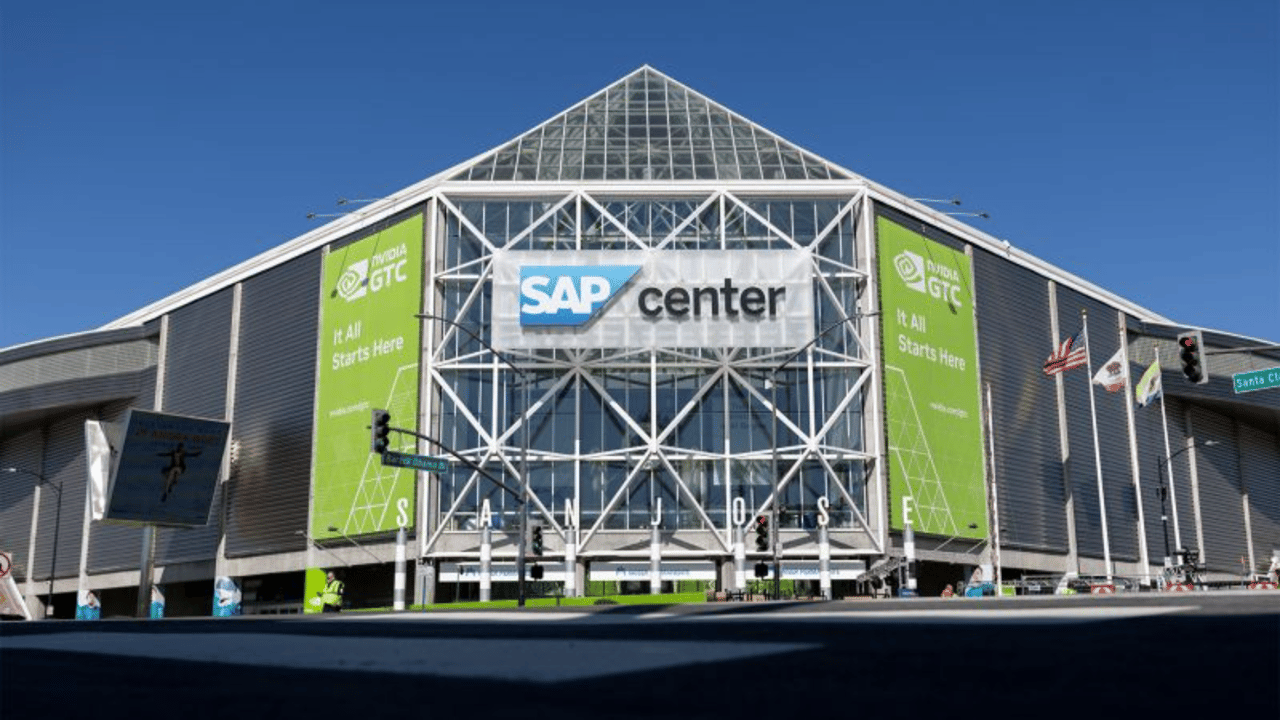
At the Global Technology Conference (GTC) 2026, major technology vendors such as Dell, Hewlett Packard Enterprise (HPE), and others have showcased their latest AI innovations, focusing on overcoming data challenges and facilitating scalable AI deployments. These advancements extend beyond traditional hardware, emphasizing the importance of robust orchestration, storage, and infrastructure solutions in the rapidly evolving AI landscape.
Dell, a leading provider of technology solutions, unveiled its new AI orchestration platform designed to streamline the deployment and management of AI applications across diverse environments. The platform leverages machine learning algorithms to optimize resource allocation, ensuring efficient use of computing power and storage. This innovation addresses a critical challenge faced by organizations as they strive to scale their AI operations without compromising performance. Dell's solution integrates seamlessly with existing infrastructure, allowing businesses to adopt AI more effectively and efficiently.
HPE, another prominent vendor at GTC 2026, introduced its next-generation AI storage solution, which promises to enhance data management capabilities for AI applications. The new storage system is engineered to handle massive volumes of data, a key requirement for AI systems that rely on large datasets for training and inference. HPE's solution incorporates advanced data compression techniques and parallel processing capabilities, enabling faster data access and improved performance. This innovation not only supports scalable AI deployments but also ensures data security and compliance with industry regulations.
In addition to Dell and HPE, other vendors at the conference highlighted their contributions to the AI ecosystem. For instance, IBM demonstrated its latest AI infrastructure offerings, which focus on enhancing the scalability and reliability of AI systems. IBM's solutions include advanced cloud-based platforms that enable organizations to easily deploy and manage AI applications at scale. These platforms are designed to handle the complexities of distributed AI systems, ensuring high availability and fault tolerance.
Similarly, Microsoft showcased its new AI orchestration tools, which aim to simplify the deployment and management of AI workloads across hybrid and multi-cloud environments. Microsoft's solutions leverage its extensive experience in cloud computing to provide a unified management framework for AI applications. This approach helps organizations overcome the challenges associated with managing AI workloads across multiple cloud platforms, ensuring a cohesive and efficient deployment strategy.
The focus on AI orchestration, storage, and infrastructure at GTC 2026 underscores the evolving priorities of technology vendors. As AI continues to transform industries, the demand for robust and scalable solutions is growing. By addressing data challenges and enabling efficient AI deployments, these innovations position vendors at the forefront of the AI revolution, helping businesses harness the full potential of AI technologies.
Moreover, the conference highlighted the importance of collaboration between vendors and enterprises in driving AI adoption. Many of the presented solutions were developed in partnership with industry leaders and research institutions, reflecting a growing emphasis on collaboration and shared knowledge. This collaborative approach is crucial for overcoming the complex challenges associated with AI, including data privacy, security, and ethical considerations.
In conclusion, the GTC 2026 showcased a range of AI innovations from leading vendors, emphasizing the critical role of orchestration, storage, and infrastructure in enabling scalable AI deployments. These advancements are pivotal in addressing the data challenges faced by organizations as they strive to leverage AI for competitive advantage. As the AI landscape continues to evolve, the commitment of vendors to innovation and collaboration will be essential in shaping the future of AI technologies and their integration into various industries.









