Delhi wakes up to cloudy skies; rain likely in coming days as western disturbances influence Northwest India
Today's weather update: The IMD said temperatures in Delhi on April 5 will stay below normal, with highs of 30–32°C and lows of 17–19°C.
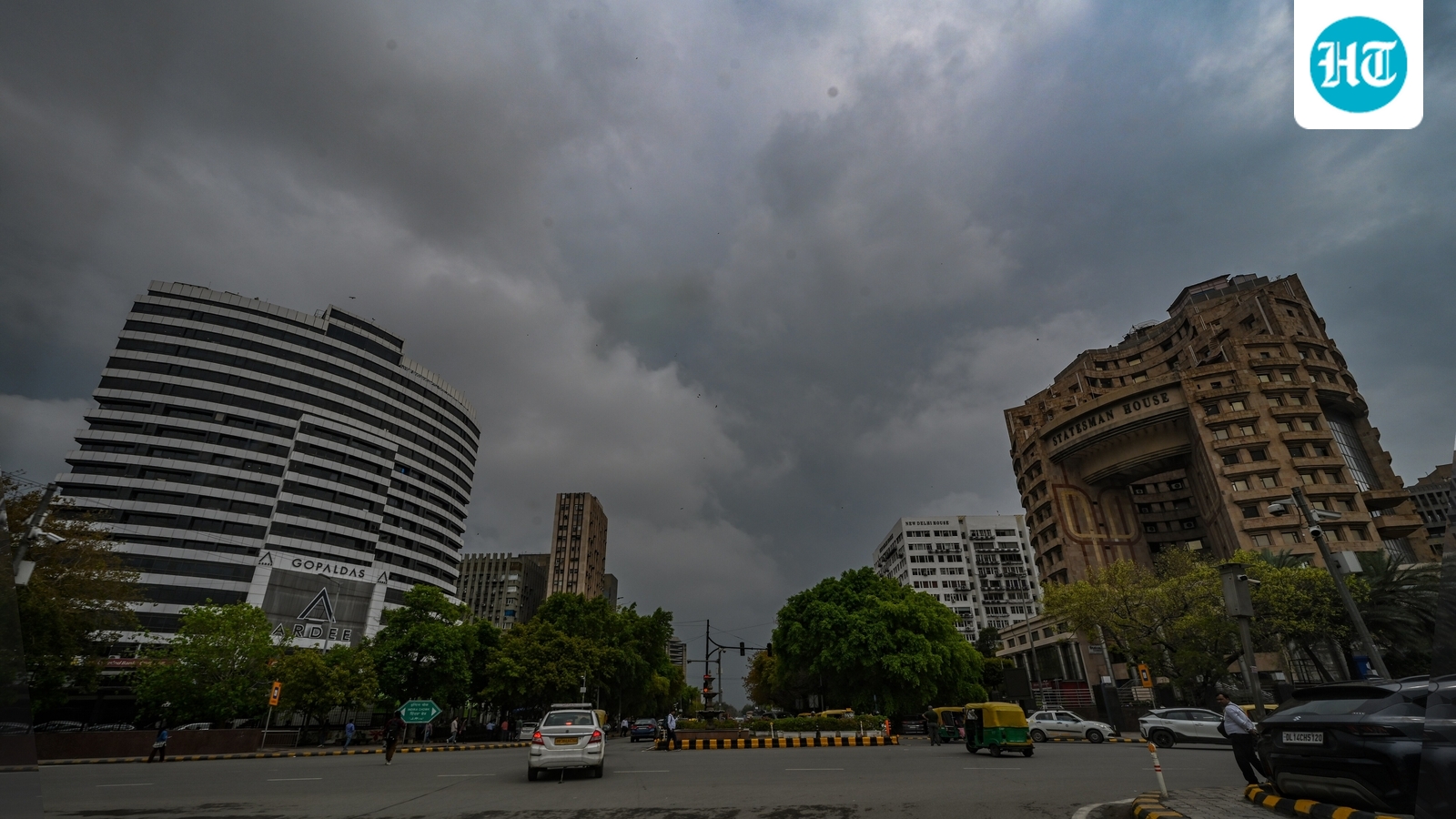
Delhi awoke to cloudy skies on April 5, as meteorologists predicted that the city would experience a change in weather patterns due to the influence of western disturbances. These disturbances, originating from the Arabian Sea, are known to bring significant weather changes to the Northwest region of India, including Delhi. The India Meteorological Department (IMD) had issued a weather bulletin the previous day, warning residents of the impending shift in weather conditions.
The IMD's forecast for the day stated that temperatures in Delhi would remain below the normal range, with highs hovering between 30–32°C and lows of 17–19°C. This was a departure from the typical sweltering heat that the city often experiences during this time of the year. The cooler temperatures were attributed to the western disturbances, which had started to affect the region.
Residents of Delhi were advised to stay updated with the latest weather updates, as the situation could change rapidly. The IMD had also warned that rainfall was likely in the coming days, with the possibility of thunderstorms and heavy downpours. This was particularly important for farmers in the surrounding areas, as the city's proximity to agricultural regions meant that any changes in weather could have a significant impact on crop yields.
The arrival of the western disturbances was a welcome change for many Delhi residents, who had been enduring prolonged periods of high temperatures and humidity. The cooler weather brought a sense of relief, with many taking advantage of the milder conditions to spend time outdoors. Parks and gardens in the city saw an increase in foot traffic, as people enjoyed the pleasant temperatures and the prospect of rain.
However, the change in weather was not without its challenges. The IMD had warned that the sudden drop in temperature could lead to a spike in respiratory ailments, particularly among vulnerable populations such as the elderly and those with pre-existing health conditions. Health authorities were on high alert, preparing for any potential increase in hospital admissions.
In addition to the weather changes, the western disturbances also had implications for air travel. The IMD had advised airlines to monitor the situation closely, as the possibility of thunderstorms and heavy rain could lead to flight cancellations or delays. Passengers were advised to check their flight schedules regularly and prepare for any disruptions.
The influence of the western disturbances on Delhi's weather was a reminder of the city's vulnerability to climate-related changes. While the cooler temperatures and impending rainfall were welcomed by many, the situation highlighted the need for better preparedness and response mechanisms to manage the impacts of such weather events.
As the day progressed, the cloudy skies continued to dominate the horizon, with occasional bursts of sunlight breaking through the overcast. The IMD's predictions of rain in the coming days were causing a flurry of activity among farmers, who were preparing their fields for the expected downpours. The cooler temperatures also provided a respite for city dwellers, who were able to enjoy the milder weather without the usual oppressive heat.
In conclusion, Delhi's weather on April 5 was shaped by the influence of western disturbances, bringing cooler temperatures and the promise of rain. While the change in weather was welcomed by many, it also served as a reminder of the city's susceptibility to climate-related changes. As the days unfolded, residents and authorities alike prepared for the potential impacts of the impending rainfall, ensuring that the city was well-equipped to manage any disruptions that may arise.