Delhi Hotel Fire: Owner Arrested, Blames Another Amidst Deaths
The owner of a Delhi hotel where a devastating fire claimed 21 lives, including 12 foreign nationals, has been arrested. He reportedly denies involvement in daily operations, attributing responsibility to 'another person' as investigations continue into the tr
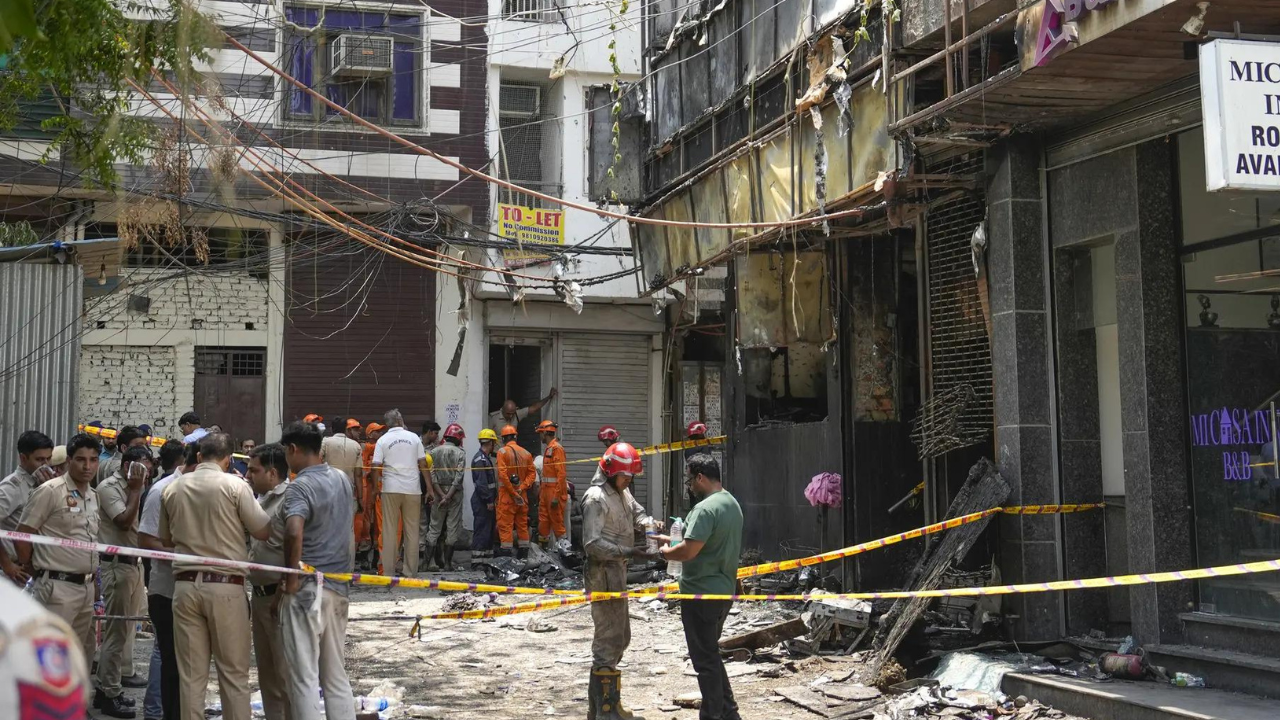
A devastating fire at a hotel in Delhi has resulted in the tragic loss of 21 lives, a calamity that has sent shockwaves across the capital and raised serious concerns about safety standards in commercial establishments. Among the deceased were 12 foreign nationals, a detail that adds a poignant international dimension to the tragedy, as many of them were reportedly in the city while their relatives sought medical treatment in local hospitals. The incident has prompted a swift response from authorities, leading to the arrest of the hotel owner as investigations into the cause and accountability intensify.
According to initial reports, the arrested owner has reportedly denied direct involvement in the day-to-day operations of the hotel. In a significant development, the owner is said to have shifted responsibility, blaming 'another person' for the management and oversight of the establishment. This claim is expected to be a central point of contention as investigators work to unravel the complex web of management structures and operational responsibilities within the hotel, seeking to ascertain where ultimate culpability lies for the catastrophic fire.
The scale of human loss is particularly heartbreaking, with the incident impacting not only Indian citizens but also a significant number of foreign visitors. The fact that 12 of the victims were foreign nationals, many of whom were reportedly accompanying family members for medical treatment, underscores the profound vulnerability of those affected. Their presence in Delhi, often far from home and already under stress due to health concerns, amplifies the tragedy and highlights the urgent need for robust safety measures in all hospitality venues.
Investigations into such devastating incidents typically involve a thorough examination of various factors, including the hotel's adherence to fire safety regulations, the functionality of emergency exits, the presence and maintenance of fire-fighting equipment, and the training of staff for emergency response. Authorities will meticulously review permits, licenses, and inspection records to determine if there were any lapses in compliance that could have contributed to the rapid spread of the fire or hindered safe evacuation efforts.
The owner's defense, reportedly stating a lack of involvement in daily operations and pointing fingers at 'another person,' introduces a layer of complexity to the legal proceedings. In such cases, investigators often scrutinize the chain of command, contractual agreements, and actual operational control to establish who held the ultimate responsibility for ensuring the safety and well-being of guests and staff. The legal framework in India places significant emphasis on the accountability of property owners and management in ensuring public safety.
This tragic event serves as a stark reminder of the critical importance of stringent fire safety audits and their rigorous enforcement, especially in densely populated urban areas like Delhi, which hosts numerous hotels and guesthouses. The rapid expansion of the hospitality sector necessitates an unwavering commitment to safety standards, ensuring that establishments are not only compliant on paper but also maintain operational readiness to prevent and mitigate disasters.
The human cost of this fire extends beyond the immediate fatalities, impacting families who have lost loved ones under horrific circumstances. For the foreign nationals, the tragedy is compounded by geographical distance and the complexities of international repatriation and legal proceedings. The incident is likely to prompt calls for greater transparency in hotel management and a more proactive approach to identifying and rectifying potential hazards before they escalate into disasters.
As the investigation progresses, authorities are expected to gather evidence, interview witnesses, and examine forensic reports to piece together the exact sequence of events that led to the fire and its devastating consequences. The focus will remain on establishing a clear line of accountability, ensuring that those responsible for any negligence or oversight are brought to justice. The legal battle ahead promises to be intricate, with the owner's defense challenging the prosecution to prove direct culpability.
The incident has undeniably cast a shadow over the city's hospitality sector and highlighted the pressing need for systemic improvements in safety protocols across the board. Public trust in commercial establishments hinges on their ability to guarantee the safety of their patrons. This tragedy underscores the imperative for continuous vigilance, regular inspections, and a culture of safety that permeates every level of management and operation within the hotel industry.
Ultimately, the quest for justice for the 21 victims, including the 12 foreign nationals, remains paramount. The outcome of the investigation and subsequent legal proceedings will not only determine individual culpability but also potentially set precedents for future safety regulations and enforcement, aiming to prevent such heartbreaking incidents from recurring in the future.