Delhi HC: Decide Jaipur Polo Ground Eviction Stay Swiftly
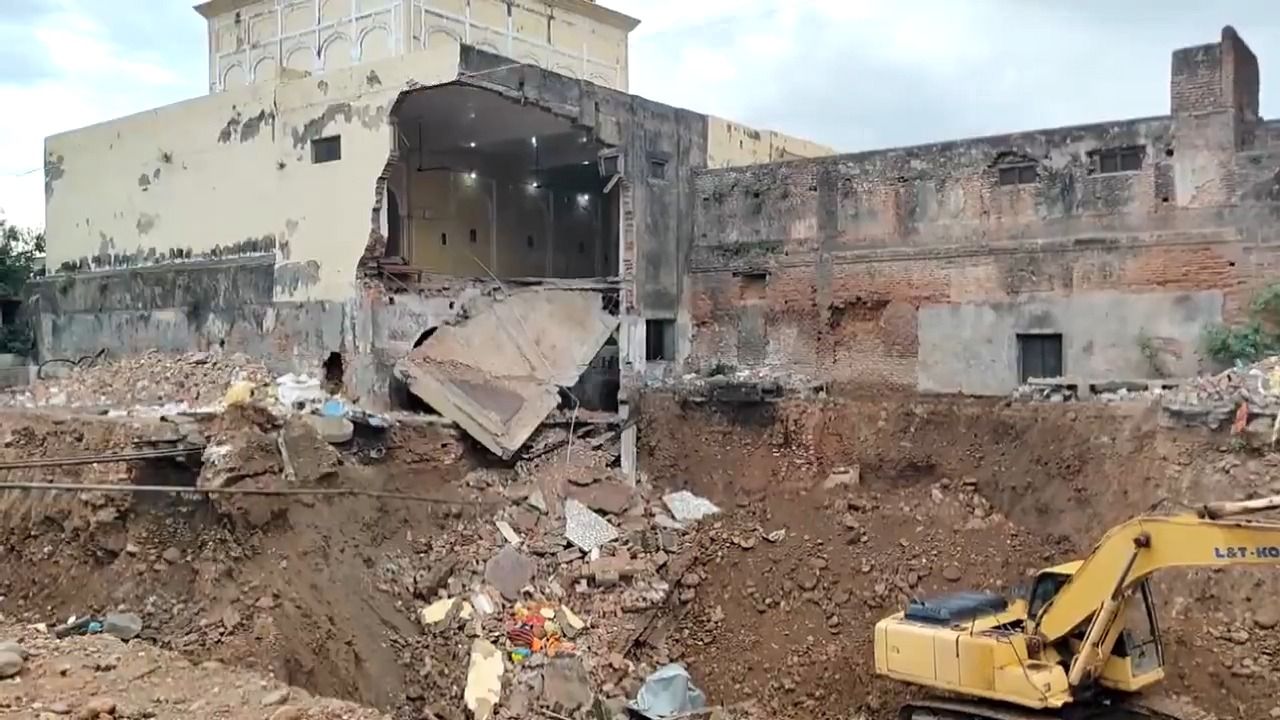
The Delhi High Court has intervened in a critical legal matter, instructing a lower court to promptly decide on a plea seeking to halt an eviction order for the Jaipur Polo Ground, underscoring the urgency with a stark environmental warning.
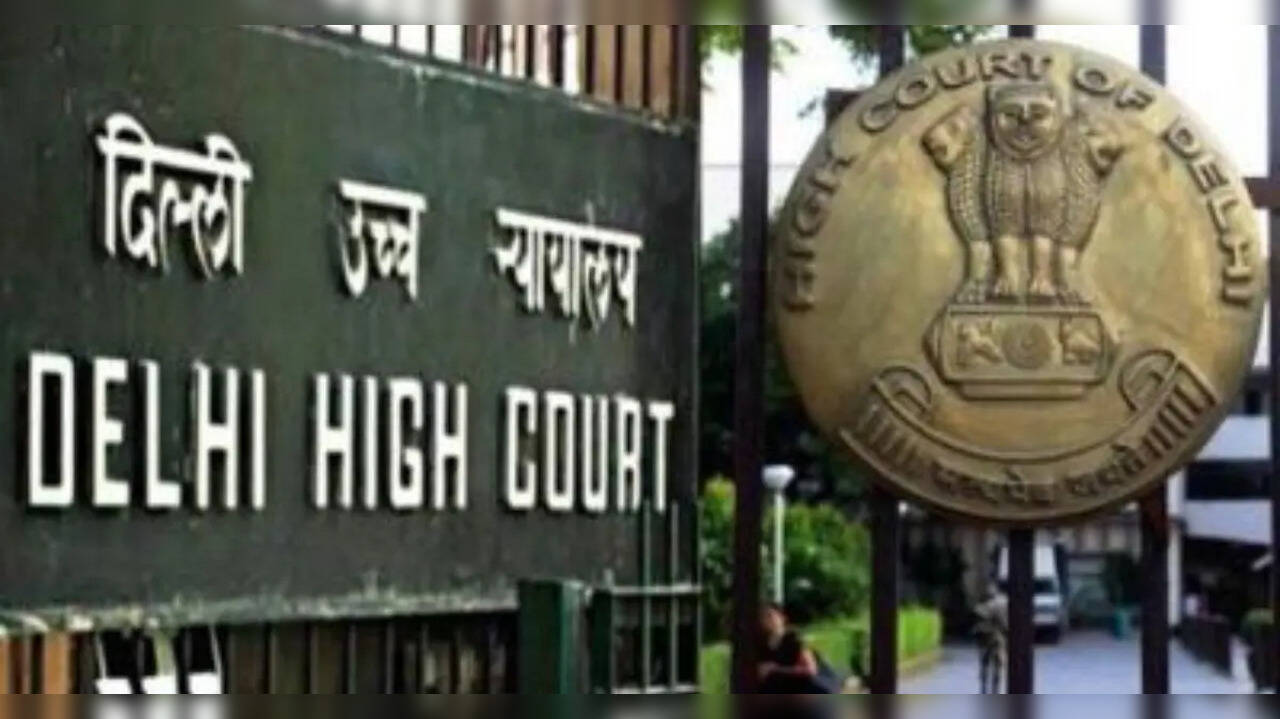
The Delhi High Court has issued a pointed directive to a lower court, urging it to swiftly decide on a plea seeking to stay an eviction order pertaining to the Jaipur Polo Ground. This judicial intervention comes with a stark warning from the High Court, which reportedly observed that "Delhi will choke," underscoring the critical environmental and public interest concerns potentially linked to the ongoing dispute. The High Court's emphasis highlights the urgency of the matter, pushing for a resolution that considers the broader implications for the national capital.
The immediate catalyst for the High Court's involvement was a plea filed by an aggrieved party, which brought to light a significant procedural delay. According to the plea, a coercive eviction from the Jaipur Polo Ground was reportedly imminent, scheduled for June 4. However, despite this pressing deadline, neither the appeal against the eviction order nor an urgent prayer for a stay was considered by the district judge on June 3. Instead, the matter was reportedly adjourned to July 23 after the issuance of a notice, leaving the petitioners in a precarious position with the eviction looming.
This procedural lapse by the district judge, where an urgent appeal and a prayer for interim relief were not addressed despite the immediate threat of eviction, appears to have prompted the High Court's intervention. The adjournment of a matter with such critical and time-sensitive implications for over a month and a half, particularly when a coercive action was just hours away, raised concerns about the timely dispensation of justice and the protection of rights. The High Court's directive aims to rectify this delay and ensure that the urgent aspects of the plea receive the immediate judicial attention they warrant.
The High Court, as a superior judicial authority, often steps in to ensure that subordinate courts adhere to due process and that justice is not delayed, especially in matters of public importance or where irreparable harm could occur. Its observation that "Delhi will choke" is not merely a passing comment but a profound statement that suggests the potential environmental or public health ramifications if the eviction proceeds without proper judicial review. This strong remark underscores the judiciary's role in safeguarding the city's ecological balance and public amenities, particularly in a metropolis grappling with severe environmental challenges.
The Jaipur Polo Ground, by its very name, suggests a significant open space within the urban fabric of Delhi. Such grounds often serve as crucial green lungs, recreational areas, and historical landmarks, contributing to the city's environmental health and quality of life. The potential eviction from such a site, if not properly adjudicated, could have far-reaching consequences beyond the immediate parties involved, impacting public access, urban planning, and the preservation of green spaces in an increasingly congested city. The High Court's concern likely stems from these broader implications.
Should the eviction proceed without a stay, and if the plea's merits are substantial, it could lead to irreversible changes to a potentially vital public or green space. The High Court's intervention, therefore, seeks to ensure that all legal avenues are thoroughly explored and that a balanced decision is reached, taking into account not just the immediate legal claims but also the wider public interest. The outcome of the lower court's decision, now mandated to be swift, will set a precedent for how urgent matters involving significant urban assets are handled.
The situation at the Jaipur Polo Ground is emblematic of the constant tension between urban development, land use, and the preservation of environmental and public spaces in rapidly expanding cities like Delhi. Disputes over land, particularly those involving large tracts of open space, frequently find their way into the courts, highlighting the judiciary's indispensable role in mediating these complex issues. The High Court's directive reinforces the principle that procedural fairness and timely justice are paramount, especially when the stakes are high for both individuals and the city's ecological well-being.
The judiciary, through its various tiers, serves as a critical guardian of the rule of law and a protector of fundamental rights. In cases where lower courts face procedural challenges or delays, higher courts often step in to provide guidance and ensure that justice is not only done but also seen to be done expeditiously. This particular case underscores the High Court's commitment to ensuring that urgent prayers for relief are not overlooked and that matters with significant public implications are addressed with the seriousness and promptness they demand.
Looking ahead, all eyes will now be on the district judge, who has been tasked by the High Court to make a prompt decision on the plea to stay the eviction order. The High Court's clear directive leaves little room for further delay, signaling an expectation for a swift and well-reasoned ruling. This development ensures that the petitioners will finally have their urgent prayer for relief considered, potentially averting a coercive eviction that was reportedly just days away.
Ultimately, this case highlights the delicate balance that the Indian judiciary often has to strike between upholding legal procedures, facilitating urban development, and safeguarding environmental sustainability and public interest. The High Court's strong words regarding Delhi's potential to "choke" serve as a powerful reminder of the profound responsibility that judicial bodies bear in shaping the future of our cities and protecting the collective well-being of their inhabitants.