
Delhi High Court Bars AI Deepfakes, Unauthorised Use Of Preacher Aniruddhacharya’s Identity
Delhi High Court grants interim order to Aniruddhacharya, restrains AI deepfakes and misuse of his persona, directs Meta X and Google to remove infringing content
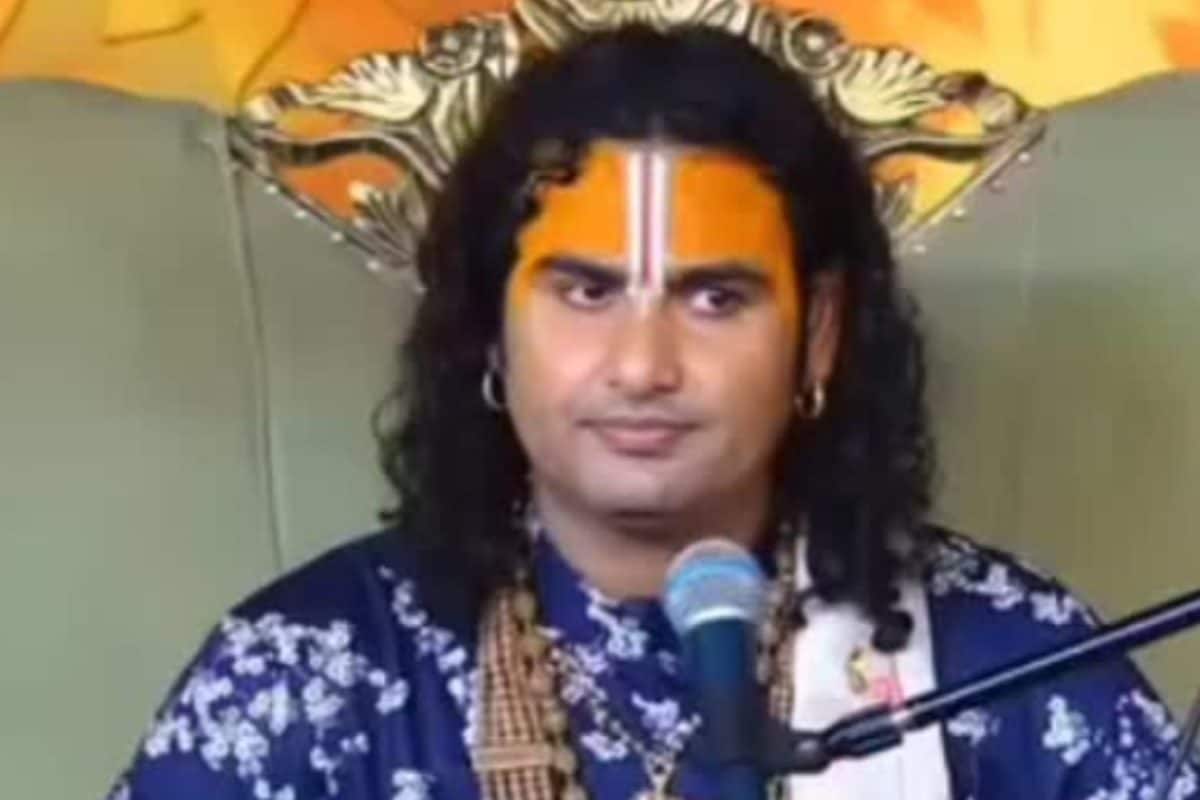
The Delhi High Court has recently issued an interim order in favor of spiritual leader Aniruddhacharya, barring the use of artificial intelligence (AI) deepfakes and the unauthorized exploitation of his identity. This landmark decision marks a significant step in the fight against digital misinformation and the misuse of public figures' personas. The court has also directed Meta X (formerly Facebook) and Google to promptly remove any content that infringes on Aniruddhacharya's rights, underscoring the need for tech giants to take proactive measures against such violations.
Aniruddhacharya, a prominent spiritual preacher and author, has been the target of deepfake videos that have been circulating online, falsely representing his views and actions. These deepfakes have caused confusion among his followers and the general public, leading to widespread misinformation. In response to this alarming trend, Aniruddhacharya sought legal protection to safeguard his identity and prevent further harm to his reputation.
The Delhi High Court, recognizing the gravity of the situation, granted Aniruddhacharya an interim order that prohibits the creation, distribution, and dissemination of AI deepfakes featuring his likeness or voice. The court emphasized that such deepfakes not only violate personal privacy but also pose a threat to public trust and security. By issuing this order, the court aims to set a precedent for other public figures who may face similar challenges in the digital age.
In addition to barring the use of deepfakes, the court has also directed Meta X and Google to take immediate action in removing any infringing content from their platforms. This directive highlights the responsibility that tech companies bear in combating digital misinformation and ensuring the integrity of their services. The court's decision underscores the need for these platforms to invest in robust systems and algorithms to detect and eliminate deepfakes and other forms of manipulated media.
The case of Aniruddhacharya against AI deepfakes has drawn attention to the growing issue of digital misinformation and the urgent need for legal and technological solutions. As AI technology continues to advance, the potential for deepfakes to be used maliciously increases, posing a significant threat to individuals, organizations, and society as a whole. The Delhi High Court's interim order serves as a crucial step in holding those responsible for the creation and dissemination of such content accountable.
Moreover, this case raises important questions about the balance between freedom of expression and the protection of personal identity in the digital realm. While the internet enables unprecedented levels of connectivity and information sharing, it also presents new challenges in safeguarding individuals' rights and combating malicious activities. The Delhi High Court's decision is a reflection of the judiciary's commitment to addressing these complex issues and evolving with the times.
The legal team representing Aniruddhacharya expressed satisfaction with the court's order, stating that it sends a strong message to those who would exploit his identity for personal gain or malicious purposes. They also highlighted the importance of continued efforts to develop effective legal frameworks and technological tools to combat deepfakes and other forms of digital manipulation.
On the other hand, tech companies like Meta X and Google have pledged to cooperate with the court's directives and enhance their efforts to remove infringing content. They have also emphasized their commitment to investing in research and development to improve their detection capabilities for deepfakes and other forms of manipulated media.
The Delhi High Court's decision in the Aniruddhacharya case is a landmark ruling that sets a precedent for combating AI deepfakes and the misuse of public figures' identities. It not only protects the rights of the individual but also serves as a warning to those who would exploit technology for malicious purposes. As the digital landscape continues to evolve, it is crucial for legal systems, tech companies, and society as a whole to work together to address the challenges posed by deepfakes and other forms of digital manipulation.
In conclusion, the Delhi High Court's interim order in favor of Aniruddhacharya is a significant milestone in the fight against AI deepfakes and the unauthorized use of public figures' identities. By barring such practices and directing tech giants to remove infringing content, the court has taken a stand against digital misinformation and affirmed the importance of safeguarding personal rights in the digital age. This decision not only protects Aniruddhacharya but also sends a clear message to those who would exploit technology for malicious purposes, highlighting the need for continued vigilance and collaboration between legal systems and tech companies to combat the growing threat of deepfakes.









