Home EducationDelhi Deploys Weed Harvesters To Clear Najafgarh D...
EducationтнР Featured

Delhi Deploys Weed Harvesters To Clear Najafgarh Drain, Reduce Yamuna Pollution

Officials noted that the machines are powered by a 112-horsepower engine and have a storage capacity of around 14 cubic metres.
5 April 2026 at 10:44 pm
1 views
Delhi Deploys Weed Harvesters To Clear Najafgarh Drain, Reduce Yamuna Pollution

Delhi Deploys Weed Harvesters to Clear Najafgarh Drain, Reduce Yamuna Pollution

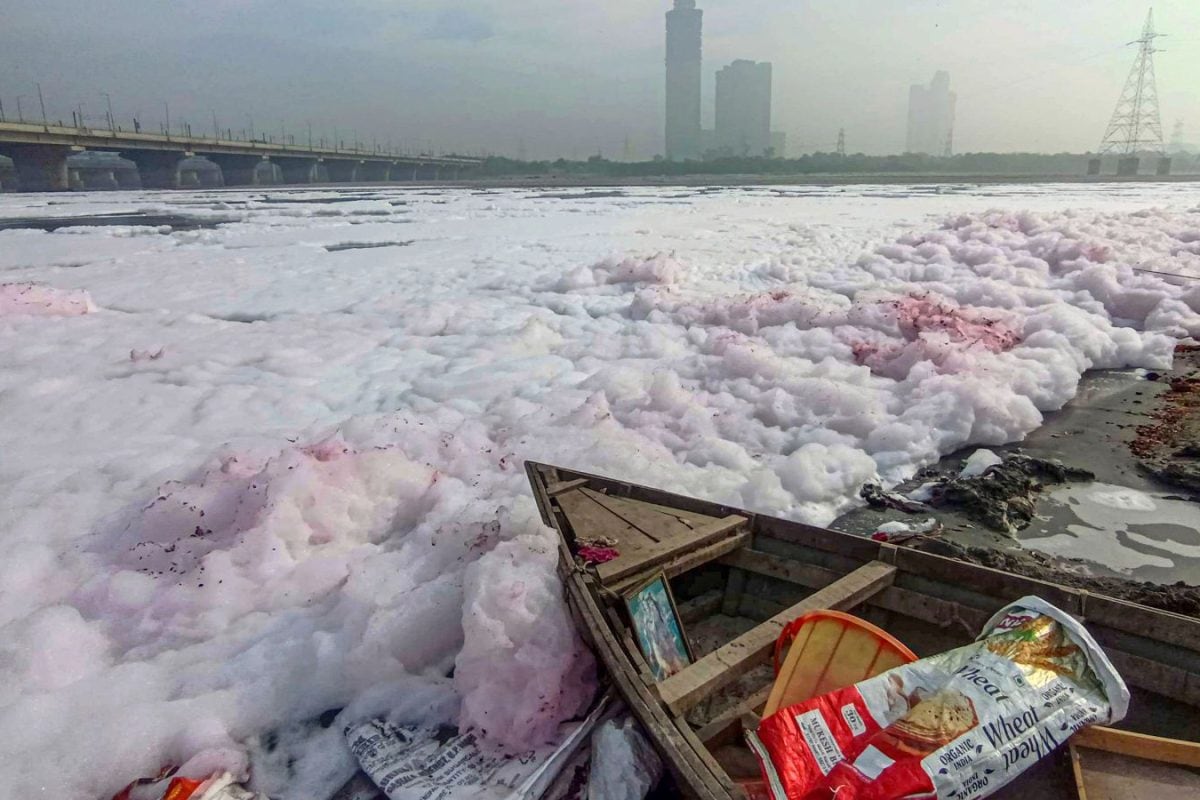
In an effort to combat the persistent issue of water pollution in the Yamuna River, Delhi authorities have recently deployed weed harvesters to clear the Najafgarh drain, one of the major contributors to the river's ecological crisis. This innovative solution, which involves the use of powerful machines equipped with specialized equipment, aims to significantly reduce the accumulation of weeds and debris in the drain, thereby curbing the flow of pollutants into the Yamuna.

The Najafgarh drain, stretching over 12 kilometers, has long been a focal point of environmental concern due to its role in channeling untreated sewage and industrial waste into the Yamuna. Over the years, this has led to the proliferation of weeds and other vegetation, which not only obstructs water flow but also exacerbates water pollution. The deployment of weed harvesters is a direct response to this challenge, as the machines are designed to efficiently remove weeds and debris, thereby improving drainage efficiency and reducing pollution levels.

The weed harvesters being used in this operation are powered by a 112-horsepower engine, ensuring they possess the necessary strength and agility to navigate the drain's complex terrain. These machines are equipped with a storage capacity of around 14 cubic meters, allowing them to accumulate large volumes of weeds and debris during each pass. This capacity is crucial, as it enables the harvesters to operate effectively over extended periods without the need for frequent interruptions for waste disposal.

The decision to deploy weed harvesters in the Najafgarh drain follows a series of studies and assessments conducted by Delhi's environmental agencies. These agencies have long recognized the need for innovative solutions to address the city's growing waste management challenges, particularly in the context of its extensive drainage network. The weed harvesters represent a significant step forward in this regard, offering a sustainable and efficient method for maintaining drainage systems while mitigating their environmental impact.

The deployment of these machines is part of a broader initiative by Delhi's authorities to improve water quality in the Yamuna River. Over the past few years, the river has become infamous for its high levels of pollution, with frequent reports of toxic algal blooms and the presence of hazardous chemicals. These issues have raised serious concerns about the safety of both aquatic life and human health, as the Yamuna serves as a primary source of water for millions of people in the region.

In addition to the weed harvesters, Delhi's environmental agencies are also implementing other measures to address the Najafgarh drain's pollution issues. These include the installation of advanced treatment plants to process sewage and industrial waste, as well as the expansion of stormwater management systems to divert excess rainwater away from the drain. Furthermore, the authorities are engaging in public awareness campaigns to encourage residents and businesses to adopt more environmentally friendly practices, such as reducing chemical usage and properly disposing of waste.

The success of the weed harvester deployment will be closely monitored by Delhi's environmental agencies, with regular assessments conducted to evaluate the machines' impact on the Najafgarh drain and the Yamuna River's overall health. If the initiative proves effective, it is likely to be expanded to other drainage systems within the city, further contributing to Delhi's ongoing efforts to combat water pollution and promote sustainable urban development.

In conclusion, the deployment of weed harvesters in the Najafgarh drain marks a significant milestone in Delhi's battle against water pollution in the Yamuna River. By leveraging advanced technology and innovative solutions, the city's authorities are taking a proactive approach to addressing this critical environmental challenge. As the weed harvesters continue to operate, the potential benefits for both the river's ecosystem and the health of Delhi's residents become increasingly apparent, offering a glimmer of hope for a cleaner and greener future.
ЁЯУ░ Related News
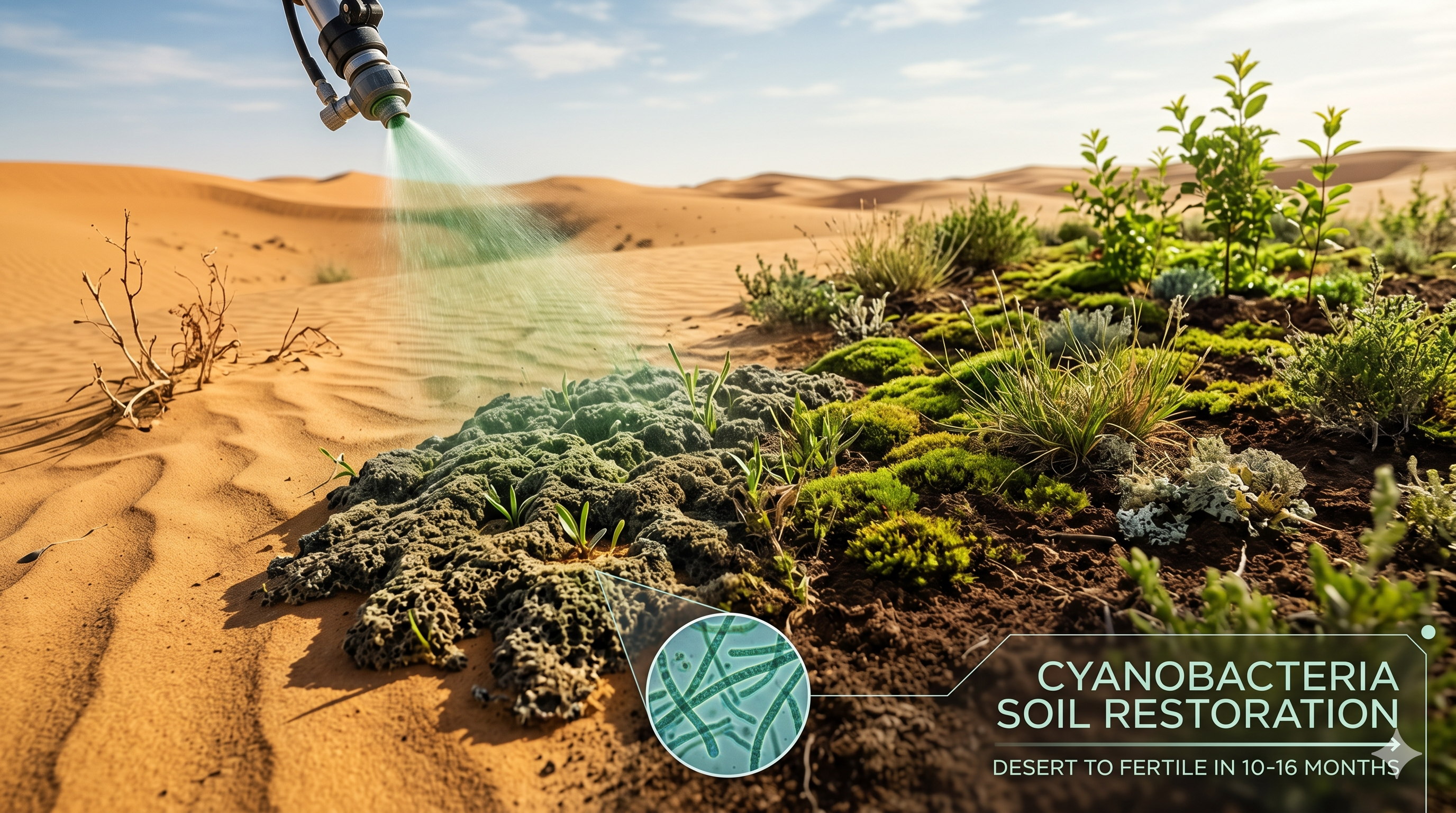
China is using a bacteria to turn desert into fertile soil in just 10 months
In a major breakthrough against desertification, researchers at Shapotou Desert Experimental Research Station have developed a technique that can transform barren desert sand into fertile, plant-supporting soil in just 10 months.
28 May
Rising costs тАШcripplingтАЩ most farming sectors in NI тАУ FFA
The steering committee of Farmers For Action (FFA) has said that rising fuel, fertiliser, and other costs are now тАЬcripplingтАЭ most farming sectors in Northern Ireland. The organisation also said that тАЬabysmal” farm gate prices are тАЬbreaking the camelтАЩs backтАЭ. The FFA said the Department of Agriculture, Environment and Rural Affairs (DAERA) is “making things […] The post Rising costs тАШcripplingтАЩ most farming sectors in NI – FFA appeared first on Agriland.ie .
7 Apr
Weather: Strong winds over the weekend and staying unsettled
The weather this Easter weekend will see strong winds as Storm Dave hits Ireland, and it is set to remain unsettled after that into next week, according to Met ├Йireann. A Status Yellow warning has been issued for the whole country. This warning will come into effect at 2:00p.m tomorrow afternoon (Saturday, April 4) and […] The post Weather: Strong winds over the weekend and staying unsettled appeared first on Agriland.ie .
7 Apr
Announcing the AWS Sustainability console: Programmatic access, configurable CSV reports, and Scope 1тАУ3 reporting in one place
AWS announces the Sustainability console, a new standalone service that consolidates carbon emissions reporting and resources, giving sustainability teams independent access to Scope 1, 2, and 3 emissions data without requiring billing permissions.
7 Apr
Spring grazing: Risk of negative energy balance
Unsettled weather means spring grazing is still quite messy, but its important to push on as the risk of negative energy balances (NEB) rise. NEB is often an issue at this stage, as much of the herd begins to reach their peak milk production but have not yet reached their maximum dry matter intake (DMI). […] The post Spring grazing: Risk of negative energy balance appeared first on Agriland.ie .
7 Apr
Raising the bar: Celebrating the best of West CorkтАЩs dairy farming
At a time when dairy farming is under intense scrutiny, itтАЩs easy to lose sight of what is actually happening on farms across west Co. Cork. Behind the headlines and debates, thousands of family farmers are quietly producing some of the highest-quality, lowest-carbon milk in Europe – while continuing to protect their land, their animals […] The post Raising the bar: Celebrating the best of West CorkтАЩs dairy farming appeared first on Agriland.ie .
7 Apr
How has the wet spring affected feed costs?
We are now in April and yet a good number of herds have very little of the platform grazed, while others still have not seen any grass in 2026 due to the weather. To make matters worse, Met ├Йireann is still predicting two to three times more than the average rainfall for the week ahead. […] The post How has the wet spring affected feed costs? appeared first on Agriland.ie .
7 Apr
Most Irish dairy cows moved to sheds in March тАУ survey
The majority of Irish dairy farmers have returned their cattle to sheds in some form due to the wet weather experienced recently, a new survey has found. This is based on the latest Calving Insights Survey conducted by FRS Co-Op for the month of March. The survey found that, despite some spells of dry weather […] The post Most Irish dairy cows moved to sheds in March тАУ survey appeared first on Agriland.ie .
7 Apr
Opinion: Easter has always been a true celebration of Irish sheep production
Easter has always been synonymous with all that is good about Irish sheep production. And long may this continue to be the case. Spring-born lambs gambolling in fields always epitomise the ending of winter and the promise of better weather to come. ItтАЩs just a pity that the spring of 2026 has not lived up […] The post Opinion: Easter has always been a true celebration of Irish sheep production appeared first on Agriland.ie .
7 Apr
The basics of irrigation during hot weather
Hot, dry conditions test even the best irrigation strategies. Christo van der Westhuizen, agronomist at Netafim Southern and East Africa, explained to Glenneis Kriel how farmers can manage water efficiently to protect crops during hot days.
7 Apr