Death Toll Rises To 3 In Lodge Collapse In MP's Annupur, Rescue Ops Continue
Eyewitnesses told PTI that they heard a loud explosion-like sound moments before the building collapsed, after which a thick cloud of dust quickly spread through the area.
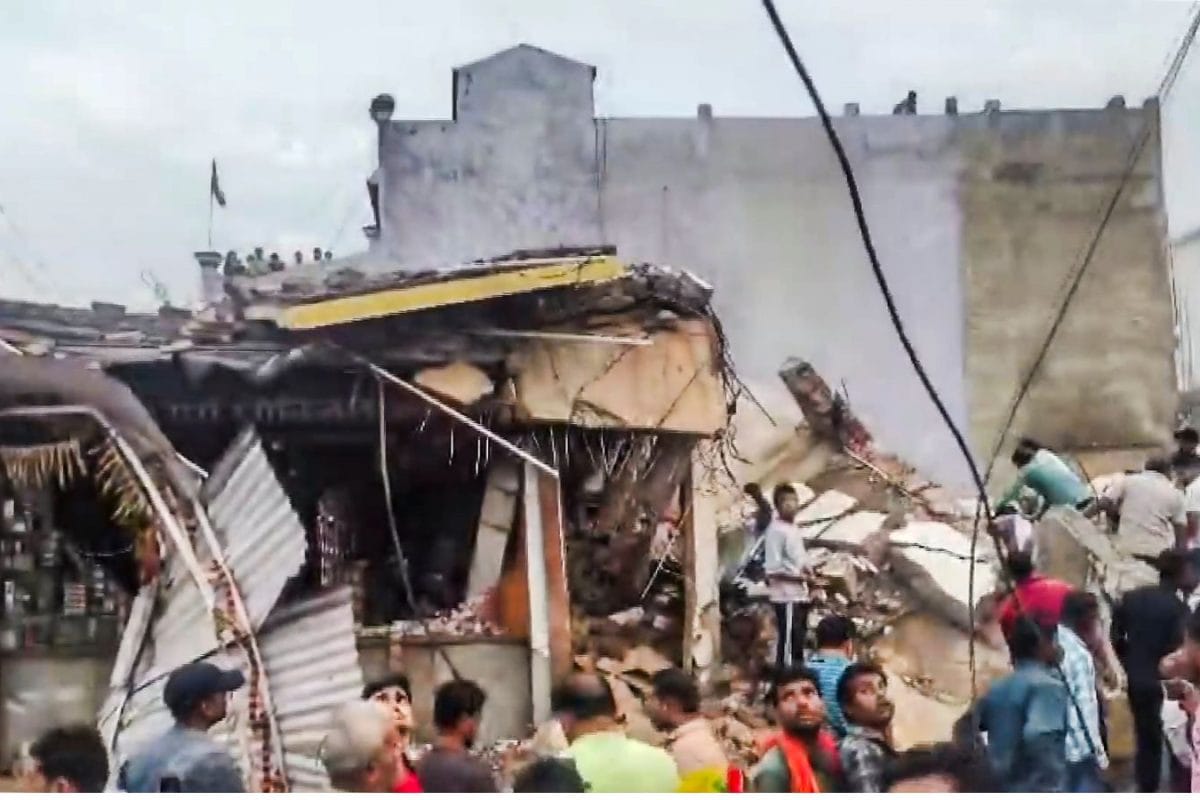
In the quiet town of Annupur, located in the Indian state of Madhya Pradesh, the community is mourning the tragic collapse of a lodge, which has left three lives lost and raised concerns about the safety of similar establishments in the region. Rescue operations are still underway, with emergency crews working tirelessly to dig through the rubble in search of any survivors.
The incident occurred in the early hours of the morning, when a small, two-story lodge, known as the "Annupur Guest House," suddenly crumbled to the ground. Eyewitnesses reported hearing a loud explosion-like sound moments before the building collapsed, which immediately raised suspicions about the cause of the disaster. The sudden and violent nature of the collapse has left many questioning whether structural weaknesses or external factors contributed to the tragedy.
As the dust settled, rescuers and local authorities rushed to the scene, setting up a makeshift camp to coordinate their efforts. The area was quickly filled with emergency vehicles, including ambulances and fire trucks, as well as police and military personnel. The initial focus of the rescue operation was to stabilize the remaining structure and ensure the safety of nearby buildings, as well as to search for any trapped individuals.
The lodge, which was known to cater to travelers and local businessmen, had been in operation for several years. It was not considered a high-end establishment, but it was well-regarded by its patrons for its affordability and basic amenities. The owner, a middle-aged man named Rajendra Kumar, was not on site at the time of the collapse and has since expressed his shock and grief over the incident.
Eyewitness accounts have been crucial in piecing together the sequence of events leading up to the collapse. Several people who were passing by or staying at the lodge described hearing a loud bang, followed by the sound of crumbling concrete and metal. One witness, a local shopkeeper named Amit Sharma, recounted, "I was just closing up my shop when I heard this deafening noise. I looked over and saw the lodge shaking, and then it just fell apart before my eyes."
The thick cloud of dust that enveloped the area immediately after the collapse made it difficult for rescuers to assess the extent of the damage. However, as the dust began to settle, it became clear that the lodge had been reduced to a pile of rubble, with only a few walls and beams remaining standing. The initial death toll was reported as three, but this number is expected to rise as the search for victims continues.
Authorities have launched an investigation into the cause of the collapse, with engineers and architects examining the remaining structure to determine if there were any structural flaws or safety violations. Preliminary reports suggest that the lodge may have been built without proper permits or adherence to building codes, which could have contributed to its instability.
The tragedy has sparked a wider conversation about the safety standards of lodges and other small accommodations across India. Many such establishments, particularly in rural and semi-urban areas, often operate with minimal oversight and limited resources, making them vulnerable to disasters. The collapse in Annupur has highlighted the urgent need for stricter regulations and regular inspections to ensure the safety of both guests and staff.
The families of the victims and the local community are grappling with the aftermath of the disaster. Funerals have been arranged, and the town has come together to offer support and condolences. The owner of the lodge, Rajendra Kumar, has expressed his deep regret and has pledged to cooperate fully with the authorities in their investigation.
As the rescue operations continue, the focus has shifted from immediate search and rescue to ensuring the safety of the area and preventing further collapses. Experts have warned that similar incidents could occur in other parts of the region, given the prevalence of poorly constructed buildings. This has prompted calls for increased vigilance and investment in infrastructure and safety measures.
The collapse of the lodge in Annupur serves as a stark reminder of the challenges faced by the Indian hospitality sector in maintaining safety standards. While the country is known for its vibrant tourism industry, it is crucial that all establishments, from luxury hotels to modest lodges, prioritize the well-being of their guests and staff. The tragedy in Annupur has underscored the need for a comprehensive overhaul of building regulations and enforcement, to prevent similar tragedies from occurring in the future.
In the days following the collapse, the community of Annupur has rallied together, offering prayers and support to those affected. The resilience of the townspeople serves as a testament to the strength of the local spirit, even in the face of such a devastating event. As the search for victims continues, the nation looks on, hoping for positive news and a swift resolution to the unfolding tragedy.
The investigation into the collapse of the lodge in Annupur is ongoing, with authorities working around the clock to piece together the events that led to the disaster. The findings are expected to shed light on the root causes of the tragedy and inform future safety measures. In the meantime, the focus remains on the rescue efforts, as emergency crews strive to bring closure to the families of those who have lost their lives in this heartbreaking event.
The collapse of the lodge in Annupur has left a lasting impact on the town and its residents. As the community comes to terms with the loss, the nation watches on, hoping for a future where safety standards are prioritized and the lives of innocent people are protected from such devastating incidents. The tragedy serves as a stark reminder of the need for vigilance and action in the face of systemic issues, and the hope remains that the lessons learned from this tragedy will lead to positive change in the years to come.