Death toll from extreme weather in Afghanistan increases to 110
Afghanistan's disaster management authority says extreme weather has caused widespread flooding and landslides, killing at least 110 people
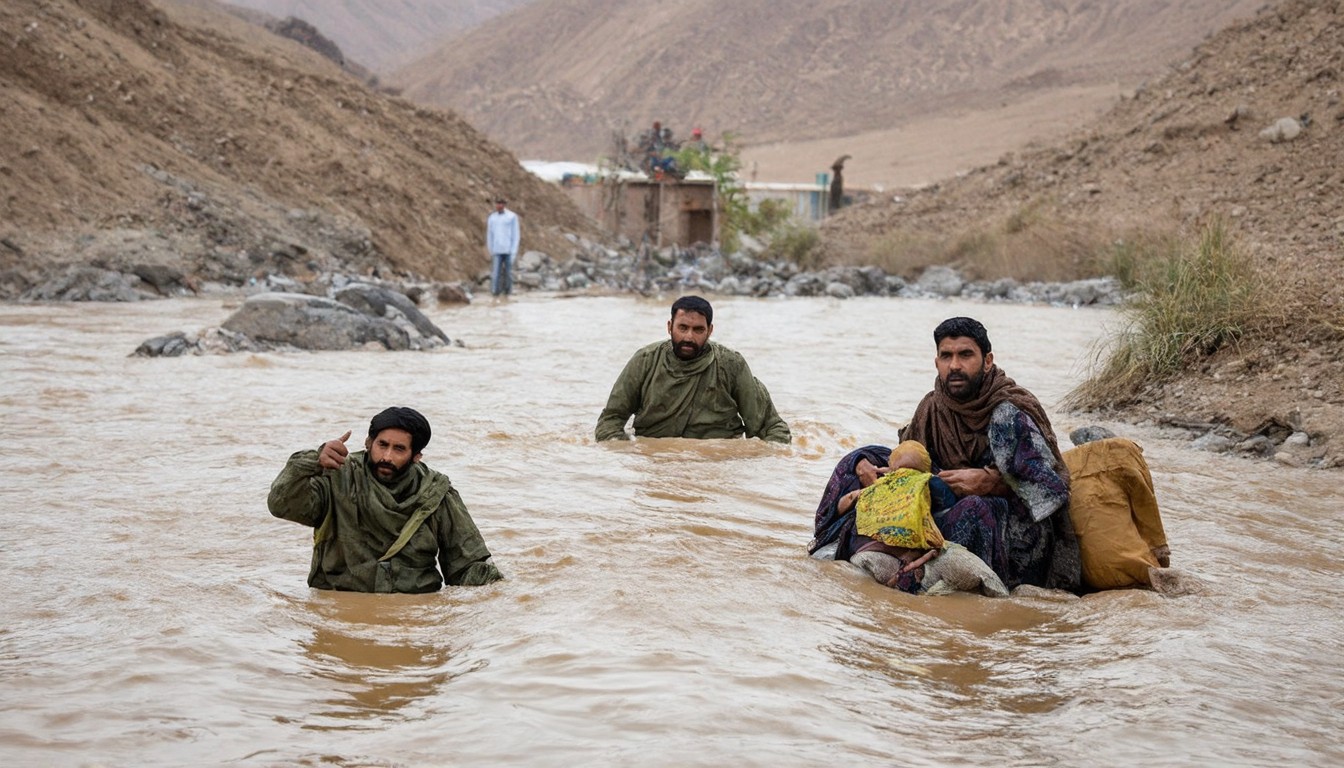
In the wake of severe weather conditions, Afghanistan's disaster management authority has reported that the death toll from flooding and landslides has risen to 110. The country has been grappling with unseasonal rains and heavy snowfall in recent weeks, leading to devastating natural disasters that have left many communities in ruins.
The extreme weather has hit several provinces, particularly in the north and northeastern regions, where landslides have swept away entire villages. Rescue operations are ongoing, but the harsh terrain and limited resources have made it challenging for emergency crews to reach affected areas. The authorities have appealed for international aid to support the relief efforts and to assist the displaced populations.
The death toll is expected to rise as more bodies are recovered from the rubble of collapsed homes and the mudslides that have engulfed entire communities. Many of the victims are believed to be children, as schools have been among the hardest-hit structures. The Afghan government has pledged to provide temporary shelters and supplies to those who have lost their homes, but the scale of the disaster has overwhelmed local resources.
The disaster management authority has also warned that the situation could worsen as the monsoon season approaches, bringing further rainfall and increasing the risk of flash floods. This has prompted calls for long-term infrastructure improvements to better prepare for such events. Experts have highlighted the need for better warning systems and the development of early-warning technologies to give communities advance notice of impending disasters.
The Afghan government has been working closely with international organizations to coordinate relief efforts. UNICEF and the Red Crescent have already deployed teams to provide medical assistance, food, and clean water to the affected regions. However, the scale of the disaster has underscored the country's vulnerability to climate-related disasters, which have become increasingly frequent and severe in recent years.
The tragedy has also brought attention to the broader challenges faced by Afghanistan, including its ongoing conflict and political instability. Many communities are already struggling to rebuild after years of war, and the recent disasters have added another layer of devastation. The international community is being urged to support Afghanistan's efforts to build resilient infrastructure and improve disaster management capabilities.
As the death toll continues to rise, the Afghan people are facing an uncertain future. The government and aid organizations are working tirelessly to provide immediate relief, but the long-term recovery will require significant investment and international support. The disaster serves as a stark reminder of the urgent need for climate action and the importance of preparing for the increasing frequency and intensity of extreme weather events.