
Deadly Earthquake and Floods Worsen Afghanistan’s Troubles
Floods have killed at least 77 people this week and destroyed or damaged thousands of homes, and an earthquake on Friday killed a dozen more.
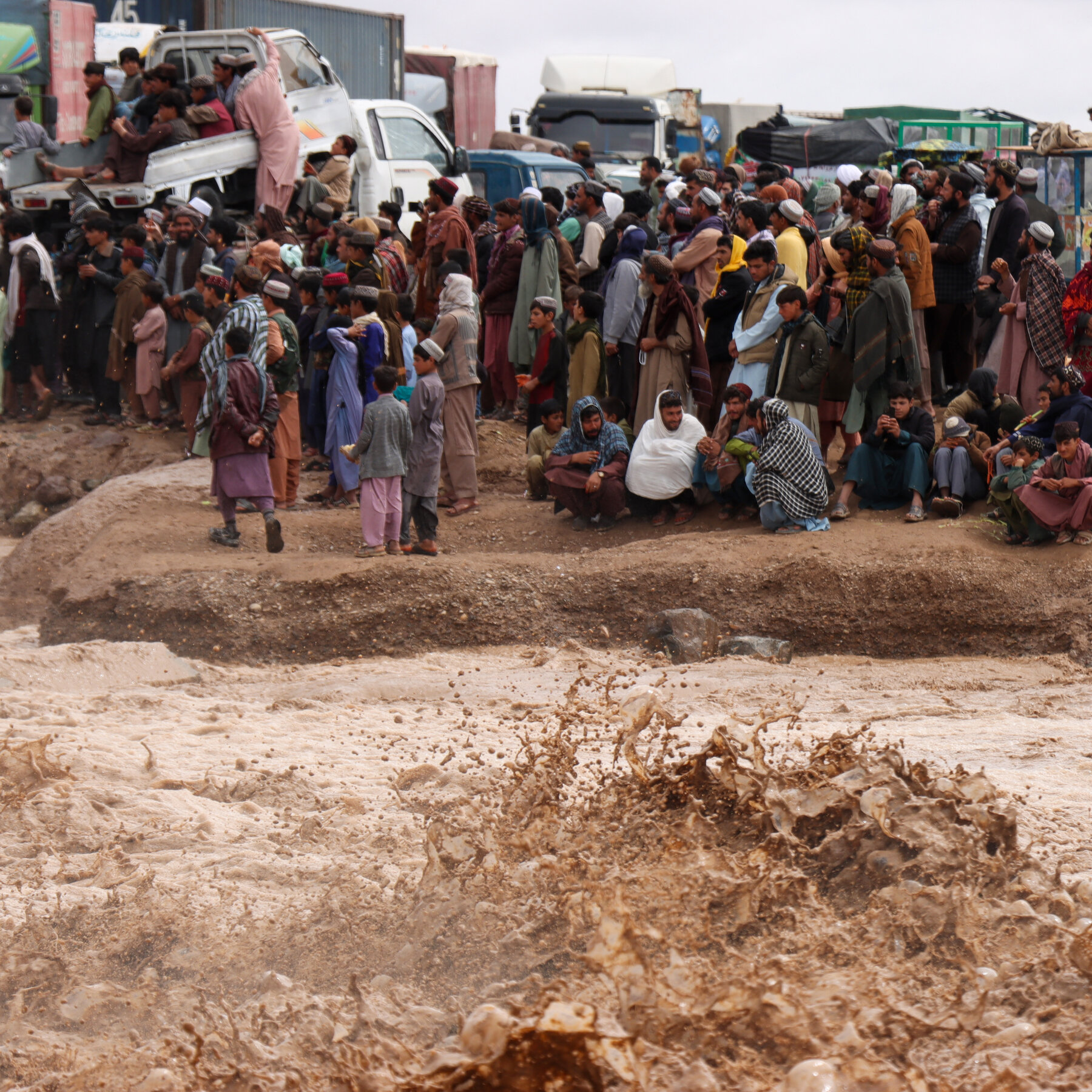
Afghanistan has been hit by a double disaster of deadly earthquakes and devastating floods, exacerbating the country's already dire humanitarian situation. This week alone, floods have claimed the lives of at least 77 people, while an earthquake on Friday added another dozen fatalities. The combined impact of these natural calamities has left thousands of homes destroyed or severely damaged, further straining the resources of a nation already grappling with political instability and economic hardship.
The floods, which have affected multiple provinces, have been particularly devastating. Heavy rains have swollen rivers and triggered landslides, inundating entire villages and rendering roads impassable. In Herat Province, a picture of Afghans standing beside a flooded road underscores the scale of the crisis. Residents have been forced to evacuate their homes, seeking refuge in makeshift shelters or with relatives. Many of these shelters lack basic necessities such as clean water, food, and medical supplies, raising concerns about the spread of diseases and the potential for further fatalities.
The earthquake that struck on Friday compounded the tragedy. With a magnitude of 5.5 on the Richter scale, it struck an area already reeling from the floods. The tremor caused significant damage to infrastructure, including schools, hospitals, and homes. The death toll from the earthquake is expected to rise as rescue operations continue, with many people still trapped under the rubble. The Afghan government and international aid organizations are scrambling to provide immediate relief, but the logistical challenges of accessing remote and inaccessible regions have slowed their response.
The combination of these disasters has highlighted the vulnerability of Afghanistan's population, which has been struggling for years under the weight of conflict and political upheaval. The country's fragile infrastructure, already weakened by years of neglect and conflict, is ill-equipped to withstand such natural calamities. The government and aid agencies are urging the international community to step up its support, as the humanitarian situation continues to deteriorate.
The floods and earthquakes have also brought to the forefront the need for better disaster preparedness and resilience. Afghanistan's government, along with international partners, must invest in early warning systems, emergency response plans, and the strengthening of infrastructure to better withstand future disasters. Without such measures, the country risks being repeatedly devastated by natural calamities, further undermining its already precarious stability.
As the death toll rises and the scale of the destruction becomes clearer, the international community must act swiftly to provide the necessary aid. This includes not only immediate relief but also long-term support to rebuild lives and communities. The people of Afghanistan deserve better, and the world has a responsibility to help them rebuild a future free from the constant threat of disaster.
In the aftermath of these tragic events, the Afghan people are facing an uphill battle to recover. The floods and earthquakes have left them without homes, livelihoods, and a sense of security. The international community must come together to offer the aid and support needed to help Afghanistan rebuild and ensure that its people can finally find some semblance of peace and stability. The world cannot afford to ignore the plight of Afghanistan, as the consequences of inaction will only serve to deepen the suffering of its people.








