
? Data to start your week: The AI capacity trap
AI has never been cheaper to access. It has also never been harder to use without hitting a wall.
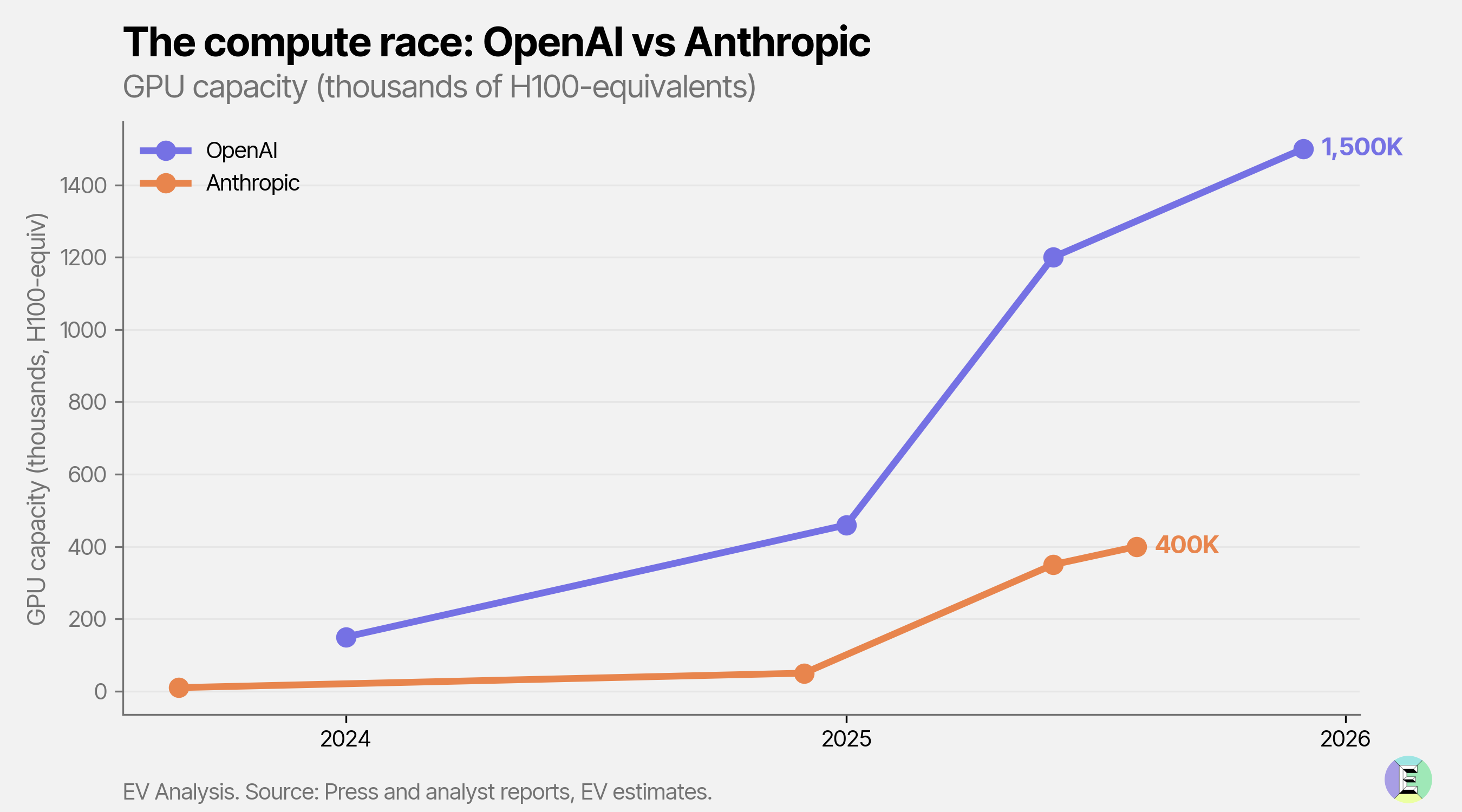
The AI capacity trap has emerged as a significant challenge for the industry, despite the widespread availability and affordability of AI technologies. While the cost of accessing AI has never been lower, the ability to effectively utilize it without encountering limitations has become increasingly difficult. This paradoxical situation, often referred to as the Jevons paradox, highlights the unintended consequences of reducing the price of AI services.
The Jevons paradox, when applied to AI, suggests that as the cost of a token decreases, the demand for AI services rises at a faster rate than the supply can scale. This creates a vicious cycle where the increased demand outpaces the ability of providers to meet it, leading to a compute crunch. The labs responsible for managing these AI services cannot simply raise prices to clear the queue, as their customers would likely defect to alternative providers. As a result, the compute crunch manifests in unexpected ways, affecting both the industry and end-users.
OpenAI, one of the leading AI providers, has experienced a significant surge in demand for its services. In October 2025, its APIs processed 6 billion tokens per minute. By April of the following year, this figure had risen to 15 billion tokens per minute, representing a 2.5x increase in just five months. Both OpenAI and Anthropic are racing to maximize their compute resources to keep up with the relentless demand. This intense pressure has led to the utilization of hardware that was expected to have depreciated years ago, such as Google's TPUs across all seven generations, some of which are now seven and eight years old. These older hardware units are still contributing to the industry's capacity, despite being far from the latest advancements.
The pressure to meet the growing demand has also had an impact on revenue. For instance, Anthropic's total revenue is growing, but the price per token is falling at a faster rate than overall revenue is rising. This means that the company, like many others in the industry, is becoming increasingly dependent on volume to sustain growth. The squeeze is not limited to the providers; end-users are also feeling the effects. Across major AI platforms, usage allowances have tightened significantly in recent years, with more tiers and stricter limits being introduced. These changes often occur without notice, leaving users with limited options and reduced access to the AI services they rely on.
In conclusion, the AI capacity trap presents a complex challenge for the industry. While the affordability of AI has made it more accessible, the resulting surge in demand has created a compute crunch that is difficult to manage. The Jevons paradox has led to a situation where providers must balance the need to maintain low prices with the ability to scale their services. As the industry continues to evolve, it will be crucial for players to find sustainable solutions to address this capacity trap and ensure that the benefits of AI can be fully realized by all stakeholders.









