
Dario’s Choice and Anthropic’s Future
Is Anthropic feud with the Pentagon similar to Tim Cook's with the FBI, or something different altogether?
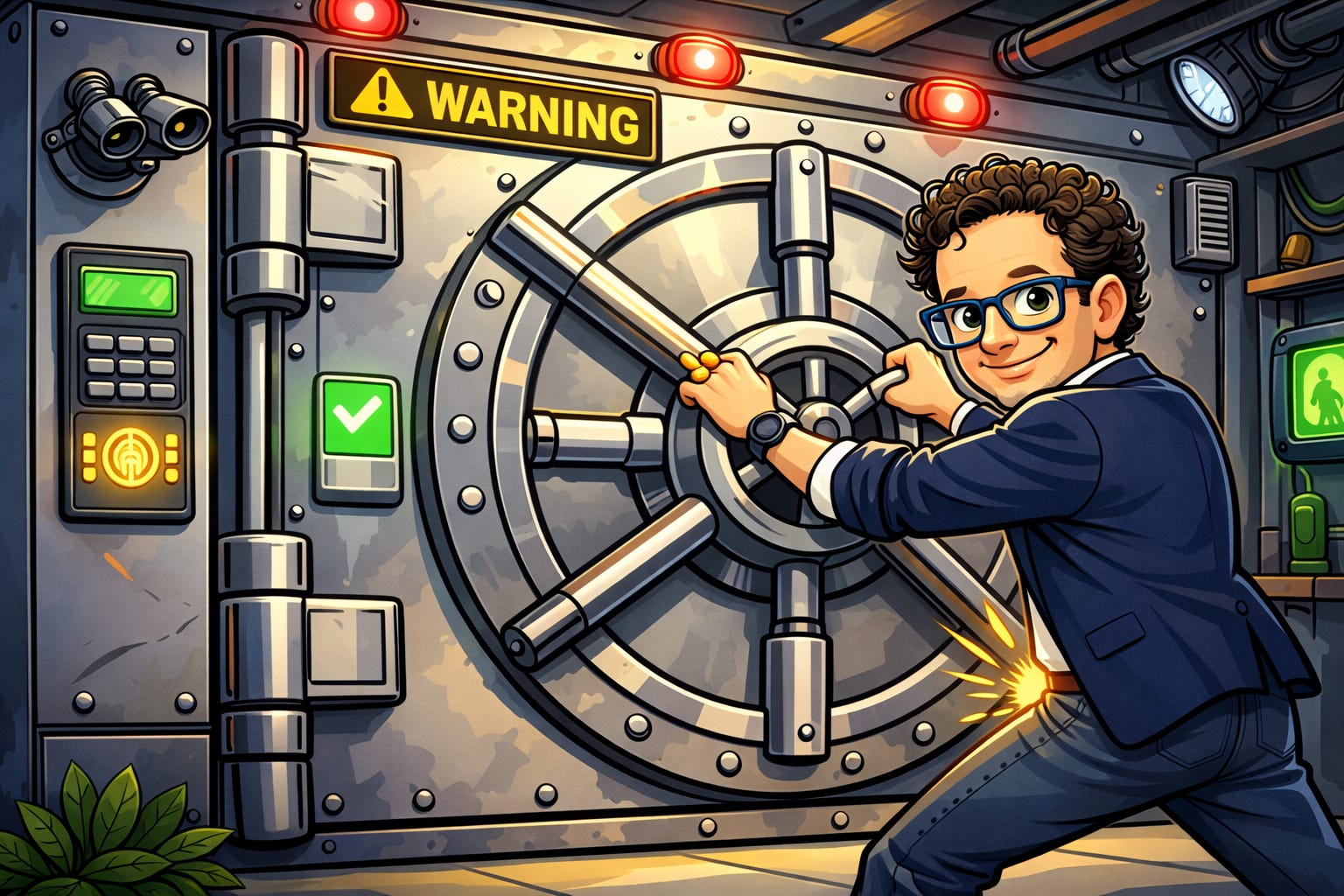
A decade ago, Apple CEO Tim Cook faced a high-stakes standoff with the FBI over the company's refusal to build an encryption backdoor into an iPhone. In a 2016 blog post, Cook argued that weakening Apple's security to comply with the FBI's demands could set a dangerous precedent, potentially leading to the creation of surveillance tools that undermine privacy and civil liberties. The FBI eventually found an alternative way to access the data, but the battle solidified Apple's reputation as a privacy-conscious company and bolstered customer trust.
Now, a similar dilemma has arisen for Anthropic, a rising AI lab that has found itself in the crosshairs of the Pentagon. Anthropic CEO Dario Amodei has refused to allow the Pentagon to use its AI for domestic surveillance and autonomous warfare, at least contractually. This stance could earn Anthropic a similar reputation boost as Apple's standoff with the FBI, but the situation is far more complex and fraught with consequences.
Over the past few days, Anthropic has endured intense scrutiny and public criticism from Pentagon officials, who have accused the company of compromising national security. The situation escalated further when former President Donald Trump weighed in on social media, labeling Anthropic a supply chain risk and ordering all federal agencies to cease using its technology. Treasury Secretary Scott Bessent has already announced that the Treasury Department will terminate its use of Anthropic products, and within six months, government suppliers must also stop using Anthropic for their work. Some agencies are even considering preemptive measures to ensure their continued favor with the U.S. government.
The stakes are high for Anthropic, as the company faces potential bans and restrictions that Apple never had to contend with during its legal battle with the FBI. The Pentagon's push against Anthropic highlights the growing tension between the government's demands for AI capabilities and the ethical concerns raised by the technology's potential misuse.
Anthropic's refusal to compromise on its principles could be seen as a bold stand in defense of privacy and ethical AI development. However, the company is now grappling with the real-world consequences of this decision, including potential economic repercussions and a heightened sense of scrutiny from regulators and policymakers.
As the situation unfolds, it remains to be seen whether Anthropic's choice will resonate with the public and the tech industry in the same way that Apple's standoff with the FBI did. While both companies have faced significant pressure to compromise their values, the context and stakes are vastly different. For Anthropic, the challenge is not just about encryption and data privacy but also about the broader implications of AI technology and its role in shaping national security policies.
In the coming weeks and months, Anthropic will likely face further challenges as it navigates the complex landscape of government-private sector relations in the AI industry. The company's ability to withstand these pressures and maintain its ethical stance will be a critical factor in determining its future trajectory and the broader impact of its work on AI development and deployment.
Meanwhile, the Pentagon and other government agencies are likely to continue pushing for greater control and access to AI technologies, as they view them as essential tools for national defense and security. This tension between the government's demands and the ethical considerations surrounding AI use will likely persist, with Anthropic's situation serving as a microcosm for the broader debate about the responsible development and deployment of AI technology in society.
Ultimately, Anthropic's choice and the resulting fallout may have far-reaching implications for the future of AI, its integration into government systems, and the balance between security and privacy in an increasingly technologically interconnected world. As the situation evolves, it will be interesting to see how Anthropic navigates these challenges and whether its stand will inspire other companies in the tech industry to prioritize ethical AI development over short-term gains or political pressures.









